
The device in question is the Foot Switch Disposable Electrosurgical Electrode, and its adoption is being driven by three factors: infection control, surgeon ergonomics, and the demands of robotic surgery.
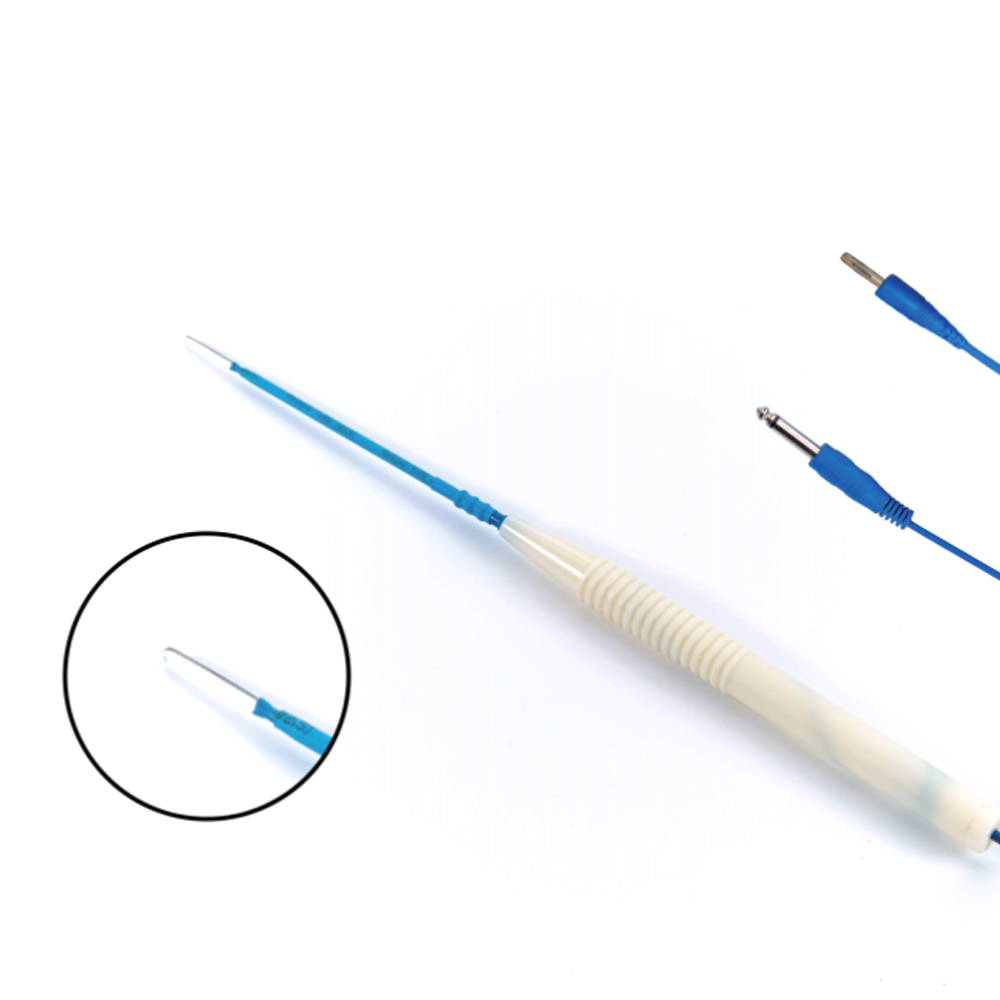
What Exactly Is It?
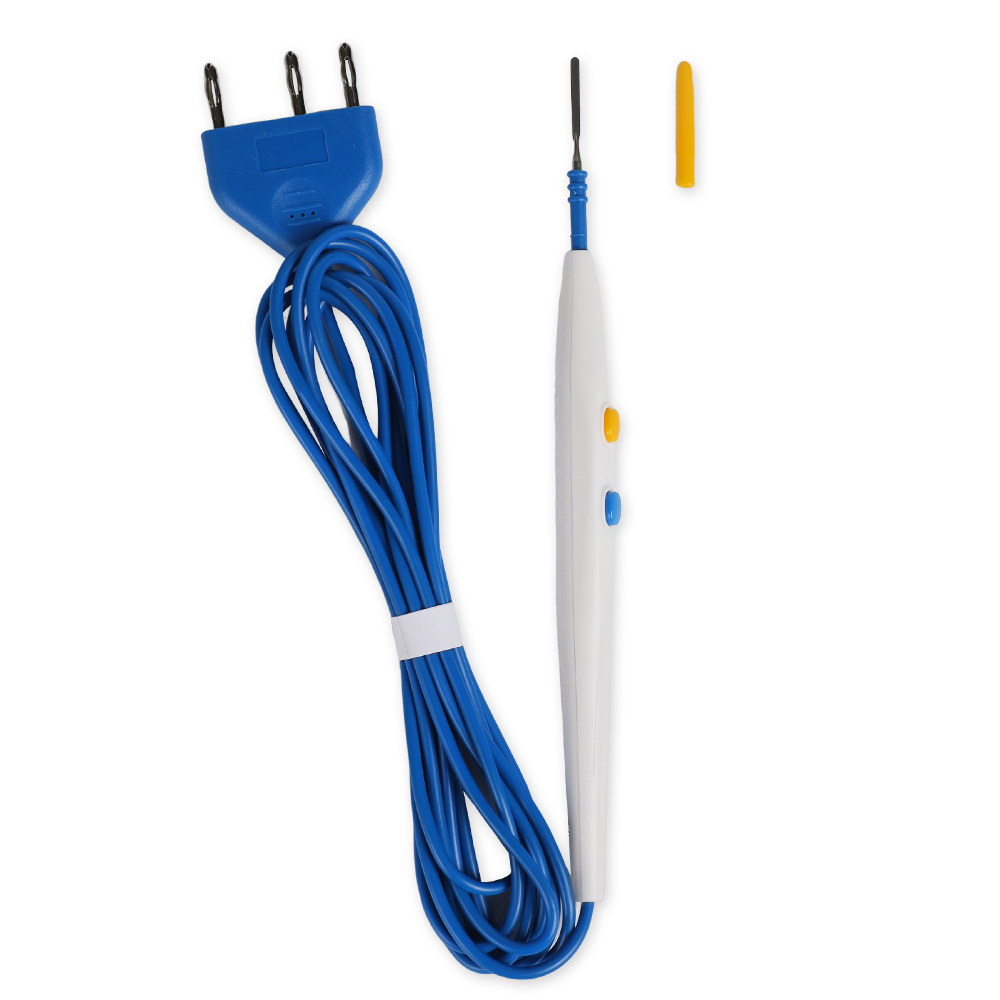
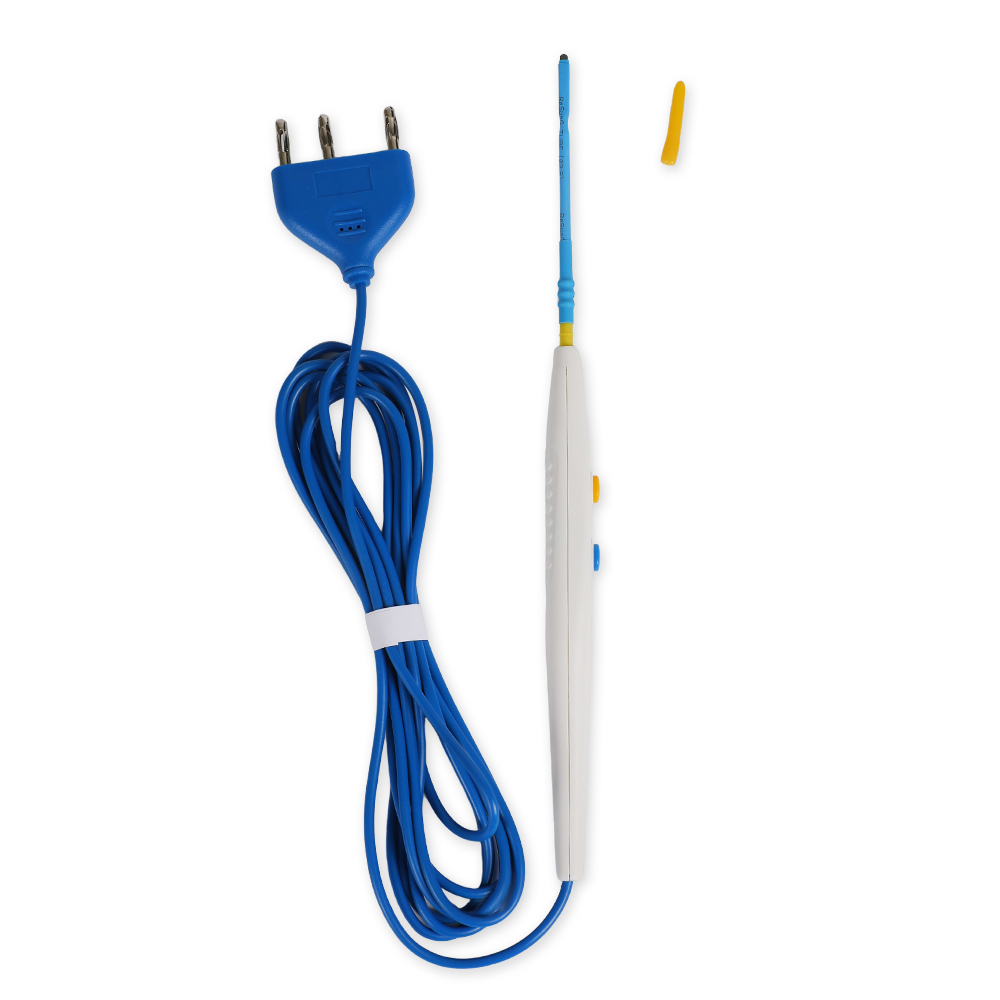
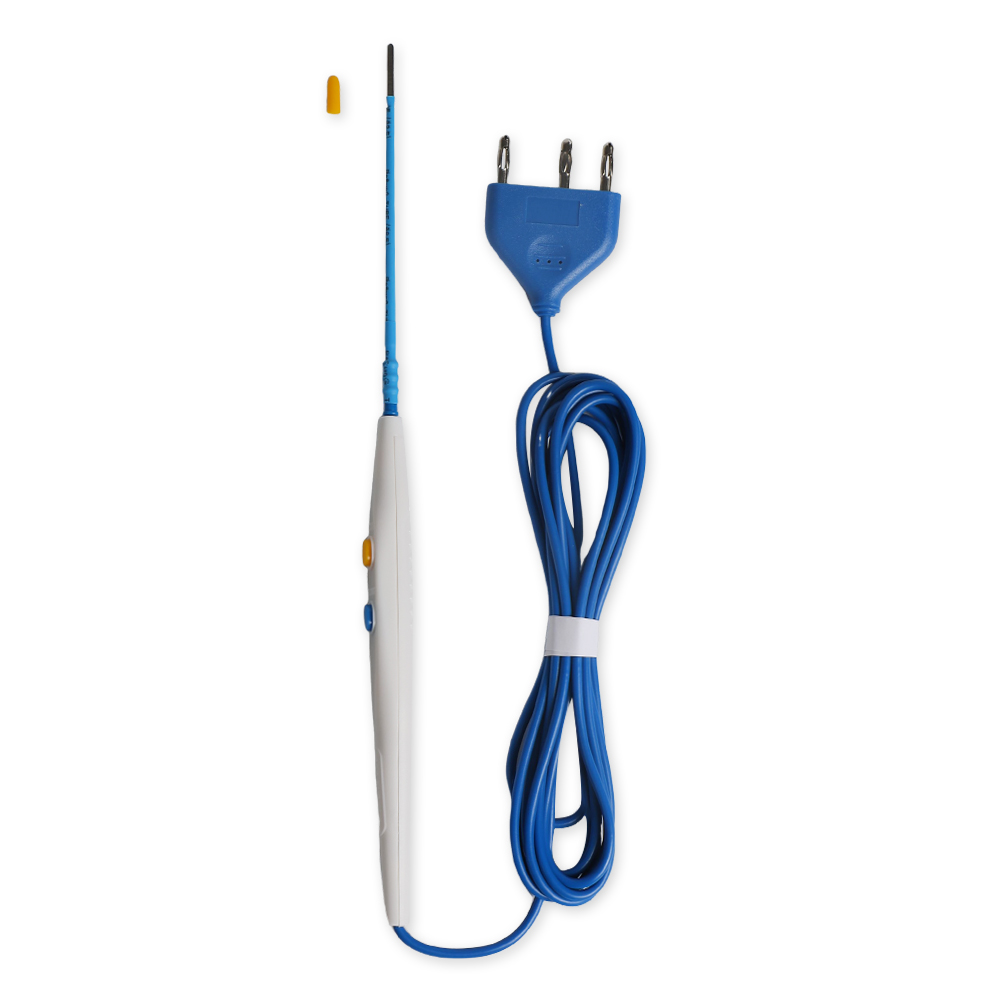
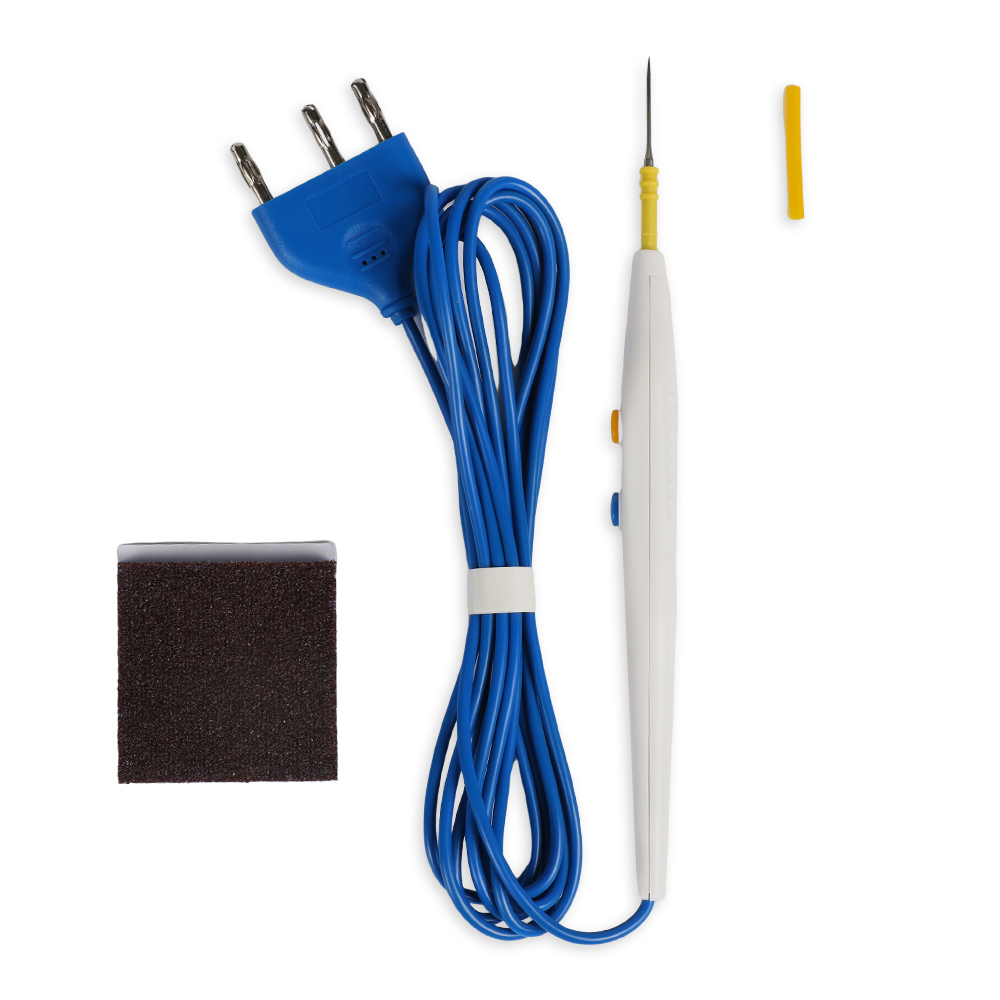
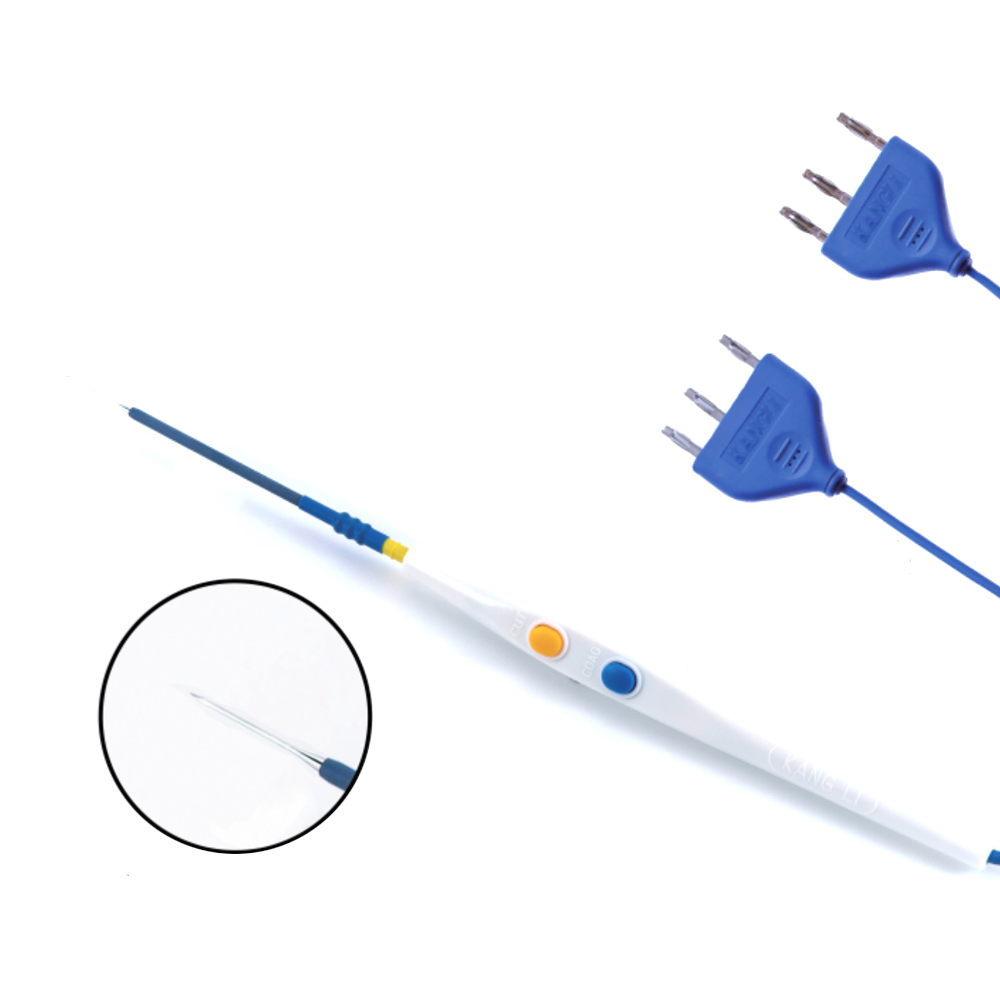
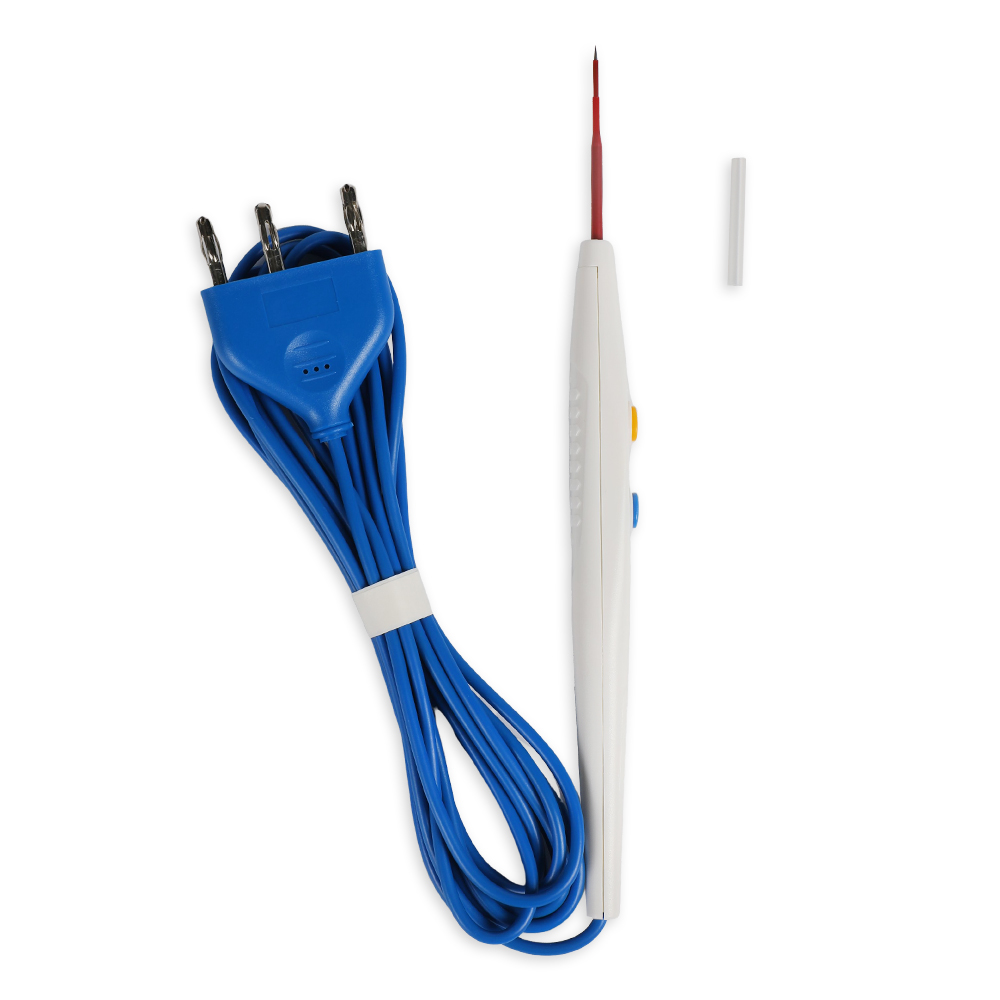
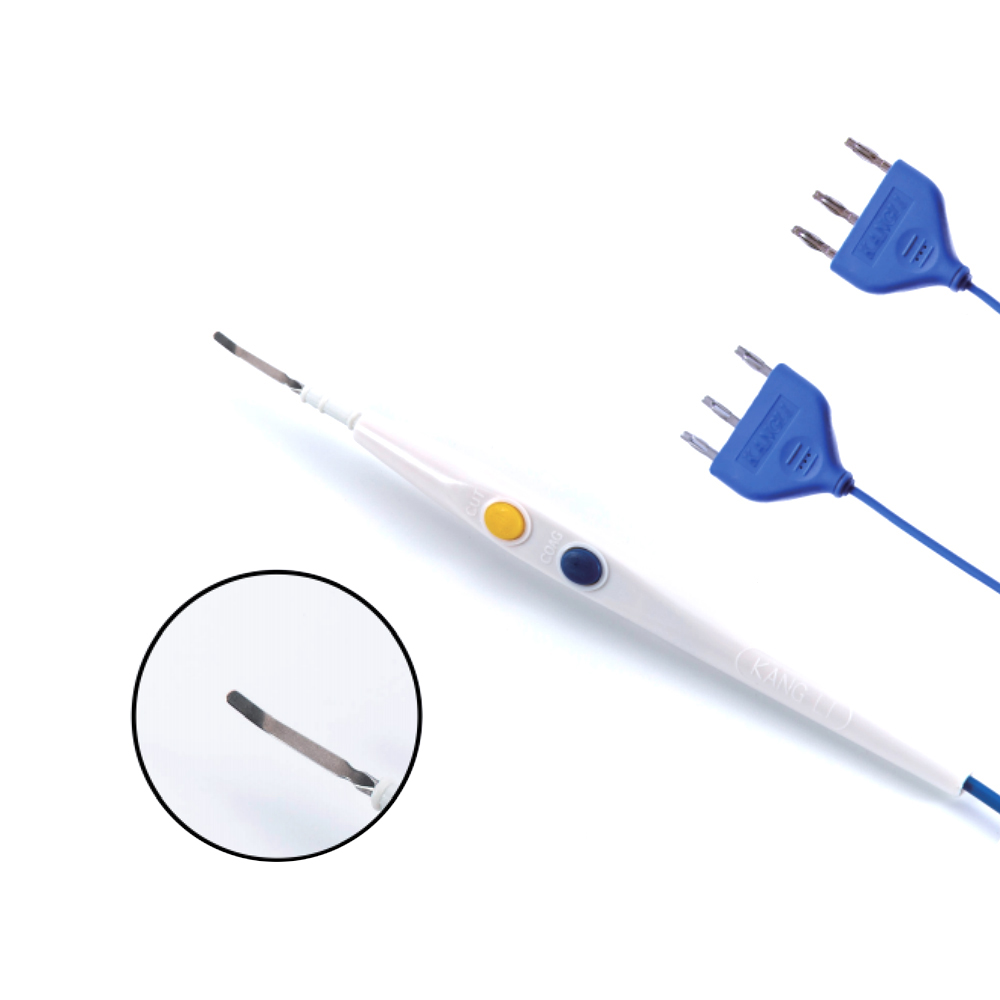
A foot switch disposable electrosurgical electrode separates the activation mechanism from the handpiece. The surgeon holds a simple, button-free pencil connected to an electrosurgical generator. A separate floor pedal—covered with a disposable plastic boot—sends the activation signal. Press the pedal with your toe, and the electrode cuts. Press a second pedal, and it coagulates.
The electrode tip itself is single-use, just like standard disposables. But eliminating hand-activated buttons changes the entire dynamic of the procedure.
The Infection Control Argument
Standard hand-switch pencils have crevices. Blood and saline seep into the gaps around the buttons, and despite meticulous cleaning, studies have shown that reusable handpieces can retain protein residue even after sterilization. In a 2022 infection control audit of six teaching hospitals, researchers found that 12 percent of hand-switch pencils tested positive for residual biological material after reprocessing.
The foot-switch disposable electrosurgical electrode has no buttons, crevices, or seams on the handpiece. The shaft is a smooth, continuous surface that can be wiped clean in seconds or discarded entirely. The foot pedal sits on the floor, outside the sterile field, and receives a fresh plastic boot before each case. Cross-contamination risk drops to near zero.
Ergonomics and Surgical Fatigue
Hand surgeons have long complained about the repetitive strain of thumb-actuated electrosurgery. A typical laparoscopic cholecystectomy may require 200 to 300 separate activations of the pencil. Over a career spanning thousands of cases, that repetitive thumb motion contributes to de Quervain's tenosynovitis—a painful inflammation of the thumb tendons.
The foot switch transfers that workload to the lower extremity. The quadriceps and calf muscles are far larger and more fatigue-resistant than the small muscles of the thumb. Surgeons who switched to foot-activated electrodes in a University of Michigan study reported less hand fatigue after long procedures and no increase in overall physical exertion.
The Robotic Surgery Connection
Perhaps the most compelling driver is the rise of robotic-assisted surgery. In a da Vinci or Hugo RAS system, the surgeon sits at a console with hands inserted into master controls. There is no way to access buttons on a handpiece because the surgeon's hands never leave the controllers.
The foot switch disposable electrosurgical electrode is the standard solution. The robot arm holds the electrode, and the surgeon presses foot pedals at the console to activate cutting or coagulation. Without this design, monopolar electrosurgery in robotic procedures would be impossible or would require a bedside assistant to operate a hand switch—an awkward and inefficient workaround.
The Downsides
Not every surgical specialty has embraced the design. Ear, nose, and throat (ENT) surgeons who operate while seated, with both feet on the floor for posture, report difficulty managing a foot pedal without disrupting their seated balance. Some plastic surgeons performing office-based procedures under local anesthesia prefer hand switches because the patient may move unexpectedly, and the surgeon's foot is not always positioned over the pedal.
Additionally, operating rooms with older electrosurgical generators may lack the dual-pedal ports required for foot-switch compatibility. Retrofitting is possible but adds expense.
The Bottom Line
The foot switch disposable electrosurgical electrode is not a revolutionary technology—it has existed in various forms for decades. But its adoption is accelerating due to the convergence of robotic surgery, infection control pressure, and surgeon wellness advocacy.
For laparoscopic, open abdominal, thoracic, and orthopedic procedures, the foot-switch design offers measurable advantages in precision, safety, and ergonomics. For seated specialties and small-office settings, the hand switch remains a reasonable default.
As operating rooms continue to prioritize staff safety and surgeon longevity, expect the floor pedal to become as common as the scrub sink. The button may not belong in the hand after all.
Lishui Kangli
Medical Devices
+86 153 0688 8169
2nd Floor, Building 1, 769 Kaiyuan Road, Bihu Town, Liandu District, Lishui City, Zhejiang Province, China
Contact Us
 English
 русский
 Français
 Español
 Deutsch
 عربى
عربى

