
Content
Transcutaneous electrical stimulation technologies have become an important part of non-invasive pain management and rehabilitation. Among widely used components are TENS Electrode Pads, Therapeutic Electrode Pads, and Muscle Stimulation Electrodes. These devices are commonly applied in clinical, physiotherapy, and home-care environments to deliver controlled electrical impulses through the skin, targeting nerves and muscles for therapeutic purposes.
This article explores their functions, design considerations, applications, and clinical relevance from a structured and professional perspective.
Electrical stimulation therapy involves delivering low-voltage electrical currents to specific areas of the body. The goal is typically to relieve pain, stimulate muscle contractions, or support rehabilitation.
TENS Electrode Pads are primarily associated with pain relief through nerve stimulation.
Therapeutic Electrode Pads are often used in broader treatment applications, including rehabilitation and circulation improvement.
Muscle Stimulation Electrodes are designed to induce muscle contractions for strengthening and recovery.
Each of these devices plays a distinct yet complementary role in electrotherapy.
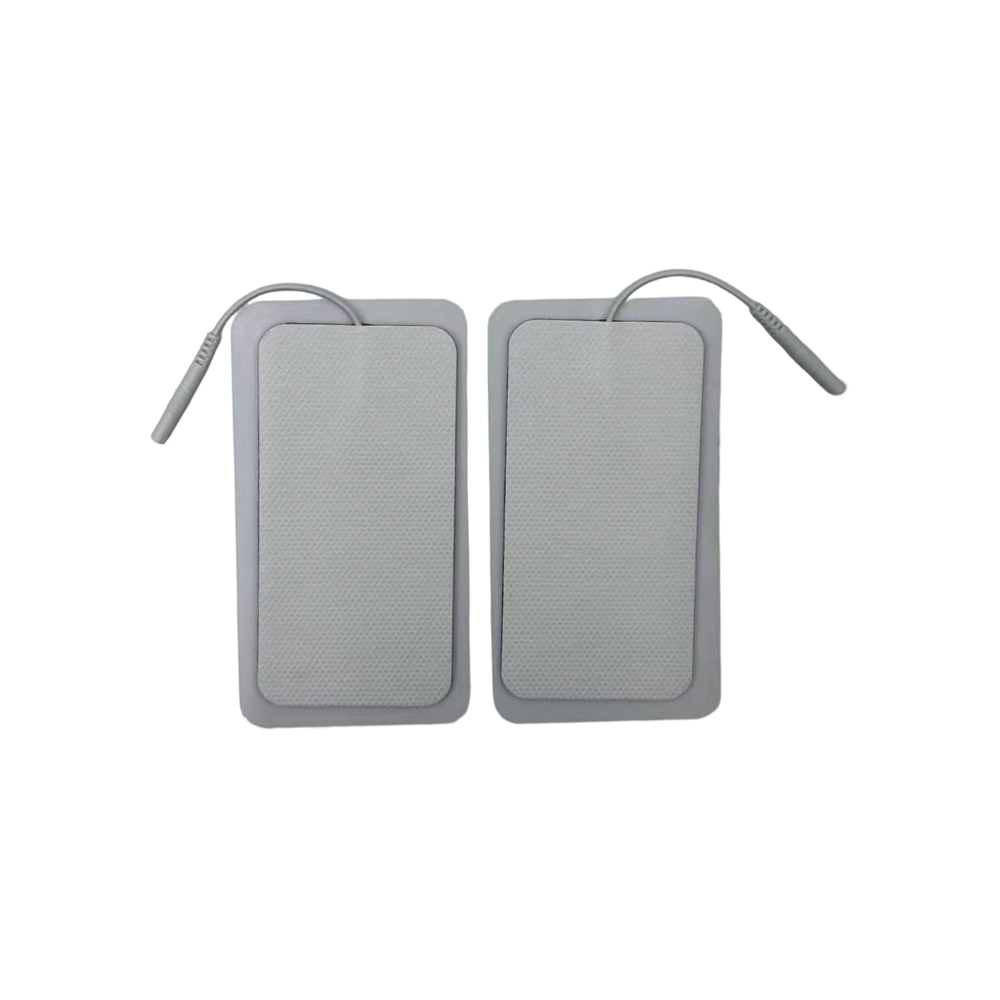
The basic principle behind all three types of electrodes is similar: they act as conductive interfaces between the electrotherapy device and the patient's skin.
In all cases, proper skin contact is essential to ensure effective signal transmission and consistent therapeutic outcomes.
Manufacturers carefully design TENS Electrode Pads, Therapeutic Electrode Pads, and Muscle Stimulation Electrodes to meet clinical requirements.
Key design features include:
The quality of materials directly influences signal stability, user comfort, and overall effectiveness.
These electrodes are widely used in various therapeutic scenarios:
In these contexts, TENS Electrode Pads are commonly applied for nerve stimulation, while Muscle Stimulation Electrodes are used in rehabilitation programs that require muscle activation. Therapeutic Electrode Pads serve as versatile tools across both categories.
Correct placement is critical for achieving good results. Clinical guidelines emphasize:
Proper application enhances the effectiveness of TENS Electrode Pads, Therapeutic Electrode Pads, and Muscle Stimulation Electrodes, ensuring consistent current flow and minimizing discomfort.
| Feature | TENS Electrode Pads | Therapeutic Electrode Pads | Muscle Stimulation Electrodes |
| Primary Purpose | Pain relief | General therapy | Muscle activation |
| Current Type | Low-frequency stimulation | Variable | Higher intensity |
| Application Focus | Sensory nerves | Broad therapeutic use | Motor nerves |
| Typical Use | Home and clinic | Clinic and rehab | Physiotherapy and sports |
While all three share similar structural designs, their intended applications differ depending on stimulation intensity and treatment objectives.
Safety is a key priority when using TENS Electrode Pads, Therapeutic Electrode Pads, and Muscle Stimulation Electrodes.
Important considerations include:
Proper usage helps prevent adverse reactions such as skin irritation or ineffective stimulation.
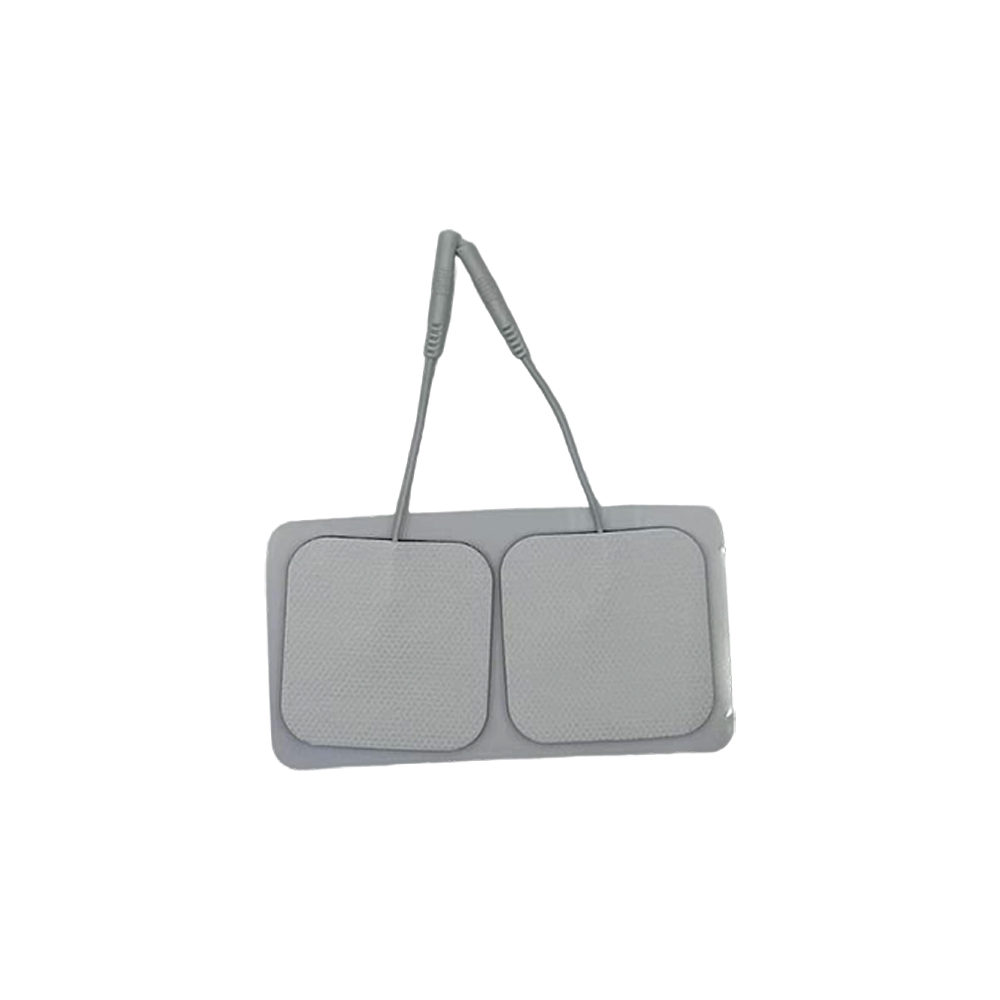
Reusable electrodes require proper care to maintain performance:
TENS Electrode Pads and Therapeutic Electrode Pads are often designed for multiple uses, while some Muscle Stimulation Electrodes may be single-use depending on the clinical setting.
Comfort is a major factor influencing patient compliance. High-quality Therapeutic Electrode Pads are designed with soft materials and skin-friendly adhesives. Similarly, TENS Electrode Pads aim to deliver consistent stimulation without causing discomfort.
For Muscle Stimulation Electrodes, the sensation may be stronger due to muscle contraction, but proper calibration helps maintain tolerability. The combination of good placement, appropriate intensity, and quality electrode materials contributes to a positive user experience.
Recent advancements in electrode design include:
These improvements enhance the performance of TENS Electrode Pads, Therapeutic Electrode Pads, and Muscle Stimulation Electrodes, making them more adaptable to modern therapeutic needs.
In rehabilitation settings, these electrodes are often integrated into structured treatment plans:
Together, they contribute to improved mobility, reduced pain perception, and enhanced functional recovery.
When choosing electrodes, clinicians and users consider:
Selecting appropriate TENS Electrode Pads, Therapeutic Electrode Pads, or Muscle Stimulation Electrodes ensures better outcomes and patient satisfaction.
In practical clinical environments, TENS Electrode Pads, Therapeutic Electrode Pads, and Muscle Stimulation Electrodes are often integrated into customized treatment protocols tailored to individual patient needs. Healthcare professionals typically adjust stimulation parameters such as intensity, frequency, and duration based on the patient's condition, tolerance level, and therapeutic goals. This individualized approach ensures that TENS Electrode Pads are effectively used for analgesia, while Muscle Stimulation Electrodes are applied to achieve targeted muscle activation without excessive discomfort.
Furthermore, Therapeutic Electrode Pads play a supportive role in multi-phase rehabilitation programs, where treatment evolves over time as the patient progresses. For example, initial sessions may focus on pain reduction using TENS Electrode Pads, followed by gradual incorporation of Muscle Stimulation Electrodes to restore strength and neuromuscular function. In such protocols, electrode selection, placement consistency, and session monitoring are essential to maintain predictable outcomes.
Clinicians also consider patient feedback during therapy sessions to fine-tune electrode positioning and stimulation levels. This dynamic adjustment process enhances the effectiveness of Therapeutic Electrode Pads and ensures that both TENS Electrode Pads and Muscle Stimulation Electrodes contribute goodly to the overall treatment plan.
TENS Electrode Pads, Therapeutic Electrode Pads, and Muscle Stimulation Electrodes represent essential components in modern electrotherapy. Their ability to deliver controlled electrical stimulation makes them valuable tools in pain management, rehabilitation, and muscle recovery.
From design and material selection to clinical application and patient experience, each aspect plays a role in ensuring safe and effective treatment. Proper usage, correct placement, and appropriate selection are key factors that influence therapeutic success.
As technology continues to evolve, these electrode systems are expected to become even more efficient, comfortable, and adaptable, supporting a wide range of medical and rehabilitation applications while maintaining high standards of safety and performance.
Lishui Kangli
Medical Devices
+86 153 0688 8169
2nd Floor, Building 1, 769 Kaiyuan Road, Bihu Town, Liandu District, Lishui City, Zhejiang Province, China
Contact Us
 English
 русский
 Français
 Español
 Deutsch
 عربى
عربى

