
Content
Electrosurgical instruments play a critical role in modern surgical procedures by providing controlled energy for cutting, coagulation, and tissue manipulation. Among these instruments, Bipolar Forceps Electrode, Bipolar Electrode Tweezers, and Coagulation Electrode Tweezers are essential tools in both general and specialized surgical practices. These devices offer precision, safety, and controlled energy delivery, making them indispensable in minimally invasive and open surgeries alike.
Bipolar electrosurgery differs from monopolar techniques by restricting the current flow to the tissue grasped between the two tips of the instrument, reducing the risk of unintended tissue damage.
From a clinical perspective, the choice among these instruments depends on tissue type, procedural goals, and the desired precision of energy application.
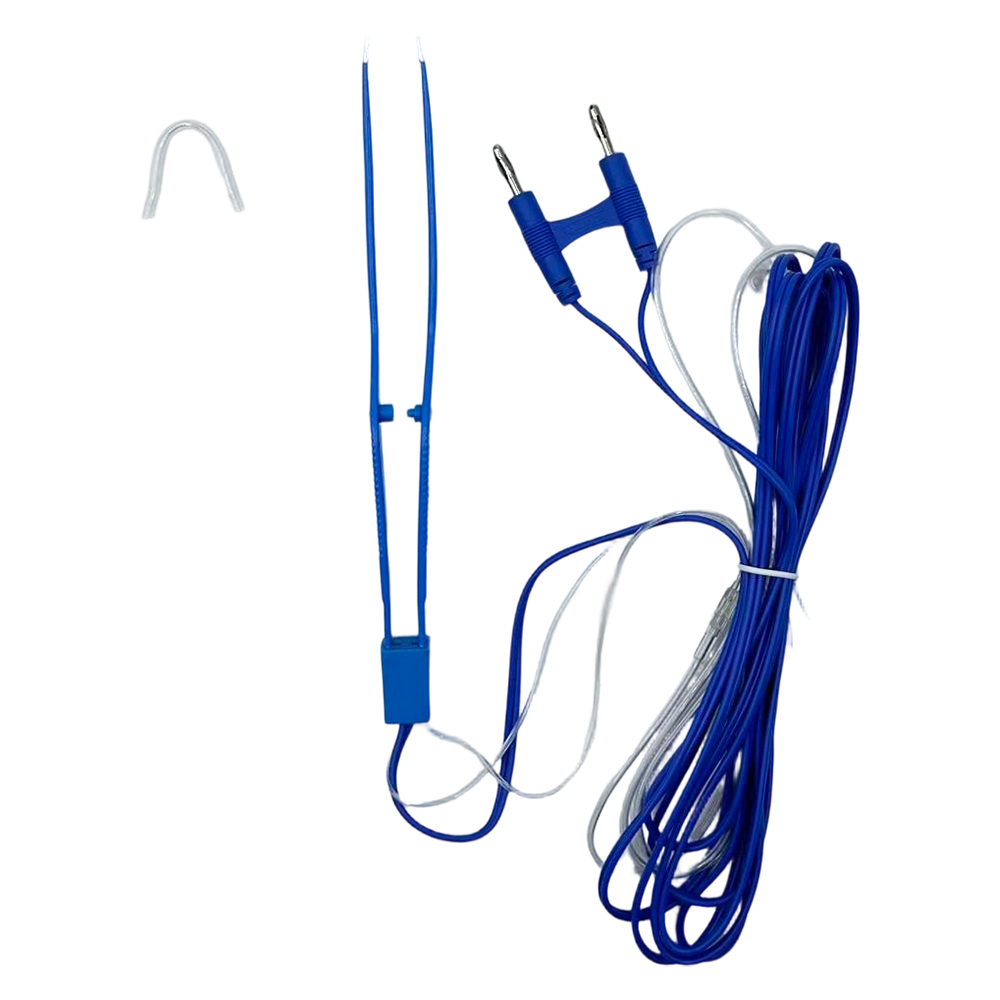
The design of Bipolar Forceps Electrode, Bipolar Electrode Tweezers, and Coagulation Electrode Tweezers focuses on safety, ergonomic handling, and effective energy delivery.
By emphasizing these features, manufacturers aim to support precise surgical outcomes while maintaining consistent safety standards.
These bipolar instruments are widely applied across surgical specialties. Typical applications include:
Bipolar Forceps Electrode allows precise coagulation of small vessels near delicate neural structures.
Bipolar Electrode Tweezers facilitate precise hemostasis in confined anatomical spaces.
Coagulation Electrode Tweezers control bleeding in highly vascular tissue areas.
All three instruments assist in minimally invasive procedures requiring controlled energy delivery.
Their targeted current flow reduces collateral thermal damage, improving postoperative recovery and minimizing complications.
Proper handling and technique are crucial for safe and effective use:
Surgeons should receive training to optimize performance of Bipolar Forceps Electrode, Bipolar Electrode Tweezers, and Coagulation Electrode Tweezers.
Bipolar instruments inherently reduce risks associated with stray current; however, additional precautions include:
These practices ensure that Bipolar Forceps Electrode, Bipolar Electrode Tweezers, and Coagulation Electrode Tweezers function safely and consistently.
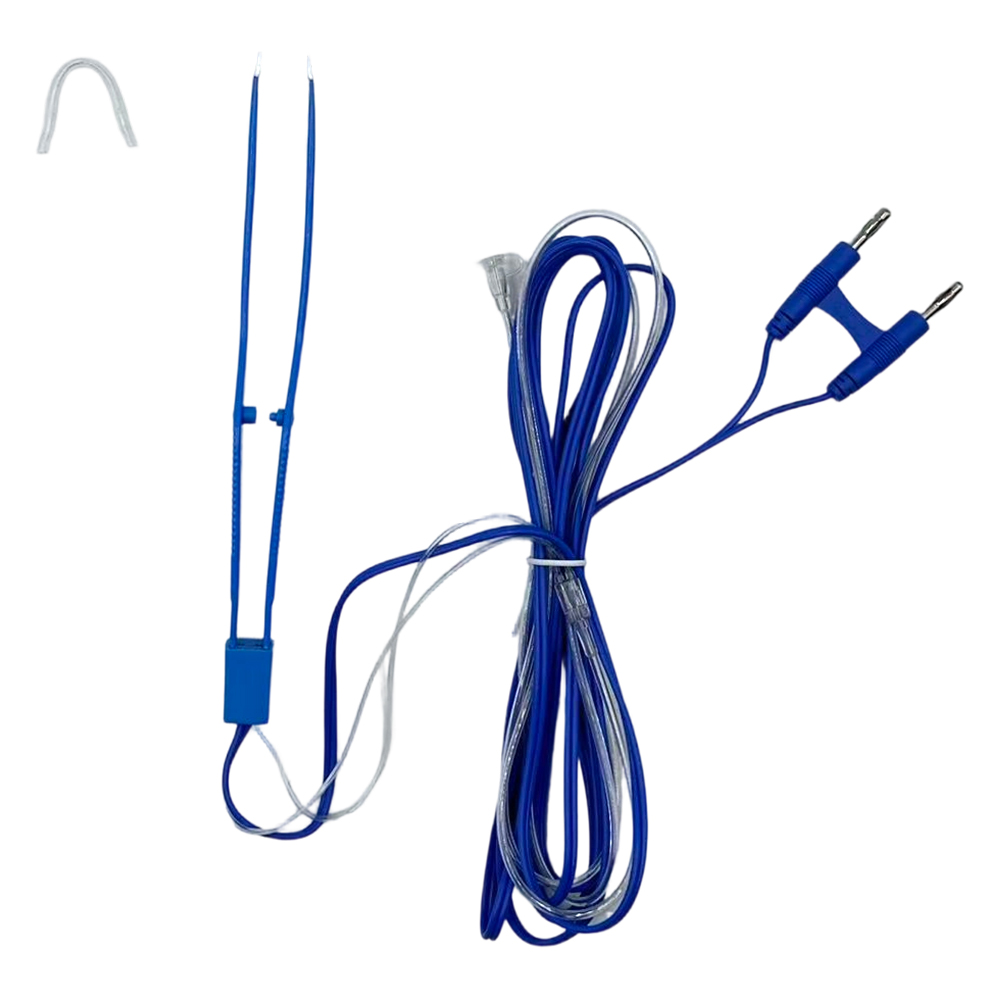
Bipolar instruments offer several advantages:
These benefits make Bipolar Forceps Electrode, Bipolar Electrode Tweezers, and Coagulation Electrode Tweezers highly preferred in delicate surgical applications.
Selecting appropriate bipolar instrument involves considering:
| Criteria | Bipolar Forceps Electrode | Bipolar Electrode Tweezers | Coagulation Electrode Tweezers |
| Precision | High | Very high | Moderate |
| Tissue Size | Medium to small vessels | Fine vessels | Small to medium |
| Procedure Type | Neurosurgery, ENT | Microsurgery | General hemostasis |
| Activation Control | Manual | Manual | Manual or foot switch |
Clinicians choose instruments based on the combination of tissue type, desired precision, and procedural requirements.
Maintaining the integrity of Bipolar Forceps Electrode, Bipolar Electrode Tweezers, and Coagulation Electrode Tweezers ensures consistent performance:
These practices are essential for long-term reliability and patient safety.
Compatibility with electrosurgical generators is critical:
Integration optimizes surgical efficiency while supporting Bipolar Forceps Electrode, Bipolar Electrode Tweezers, and Coagulation Electrode Tweezers performance.
Manufacturers are innovating to improve usability and patient safety:
These innovations reflect the evolving demands for precision, safety, and efficiency in modern surgical environments.
Effective use of these instruments requires proper training:
Ongoing education ensures good surgical outcomes and patient safety.

Another important angle when evaluating Bipolar Forceps Electrode, Bipolar Electrode Tweezers, and Coagulation Electrode Tweezers is their contribution to overall cost efficiency and workflow optimization within healthcare facilities. From a clinical management and procurement standpoint, these instruments are not only assessed for performance but also for their ability to support streamlined surgical processes and reduce operational inefficiencies.
In many surgical environments, the use of Bipolar Forceps Electrode helps minimize the need for additional hemostatic tools, as coagulation can be achieved precisely at the point of contact. This reduces instrument exchanges during procedures, which in turn shortens operative time and improves workflow continuity. Similarly, Bipolar Electrode Tweezers enable surgeons to perform delicate tasks without frequently switching between instruments, contributing to a more efficient surgical sequence.
Coagulation Electrode Tweezers are particularly valued in procedures where bleeding control must be achieved quickly and repeatedly. Their ability to deliver localized energy reduces the reliance on alternative coagulation methods, helping to standardize procedural steps. This standardization can cause improved predictability in operating room scheduling and resource allocation.
From an economic perspective, reusable versions of these instruments, when properly maintained, can reduce long-term costs compared to single-use alternatives. However, healthcare facilities must balance this with sterilization requirements, maintenance protocols, and lifecycle considerations. Even disposable variants of Bipolar Forceps Electrode, Bipolar Electrode Tweezers, and Coagulation Electrode Tweezers are designed with cost-performance efficiency in mind, offering reliability without compromising safety.
Additionally, optimizing instrument selection based on procedure type can reduce unnecessary inventory complexity. Hospitals and surgical centers often adopt standardized sets that include these bipolar instruments to ensure availability while minimizing redundancy. This approach supports both logistical efficiency and clinical readiness.
Ultimately, integrating Bipolar Forceps Electrode, Bipolar Electrode Tweezers, and Coagulation Electrode Tweezers into well-structured surgical workflows enhances not only clinical outcomes but also operational efficiency, making them a valuable component in modern healthcare systems.
Lishui Kangli
Medical Devices
+86 153 0688 8169
2nd Floor, Building 1, 769 Kaiyuan Road, Bihu Town, Liandu District, Lishui City, Zhejiang Province, China
Contact Us
 English
 русский
 Français
 Español
 Deutsch
 عربى
عربى

