
Content
From a medical device manufacturer's standpoint, Neutral Electrode Plates, Return Electrode Plates, and Neutral Electrode Placement are not just product and application concepts—they are integral components of electrosurgical safety, performance consistency, and clinical usability. Designing and producing these elements requires careful attention to materials, conductivity, patient safety, and compatibility with electrosurgical units.
In electrosurgery, current must safely return to the generator after passing through the patient's body. This return path is facilitated by Return Electrode Plates, which are also commonly referred to as dispersive electrodes. The term Neutral Electrode Plates is often used interchangeably in clinical and manufacturing contexts to describe the same function: safely dispersing electrical energy over a broad surface area.
From a manufacturing perspective, Neutral Electrode Plates must be engineered to ensure uniform current distribution, minimizing the risk of localized heating. Similarly, Return Electrode Plates must maintain stable contact with the patient's skin throughout the procedure to prevent impedance fluctuations.
Proper Neutral Electrode Placement is equally critical, as even high-quality electrode plate cannot perform effectively if positioned incorrectly on the patient.
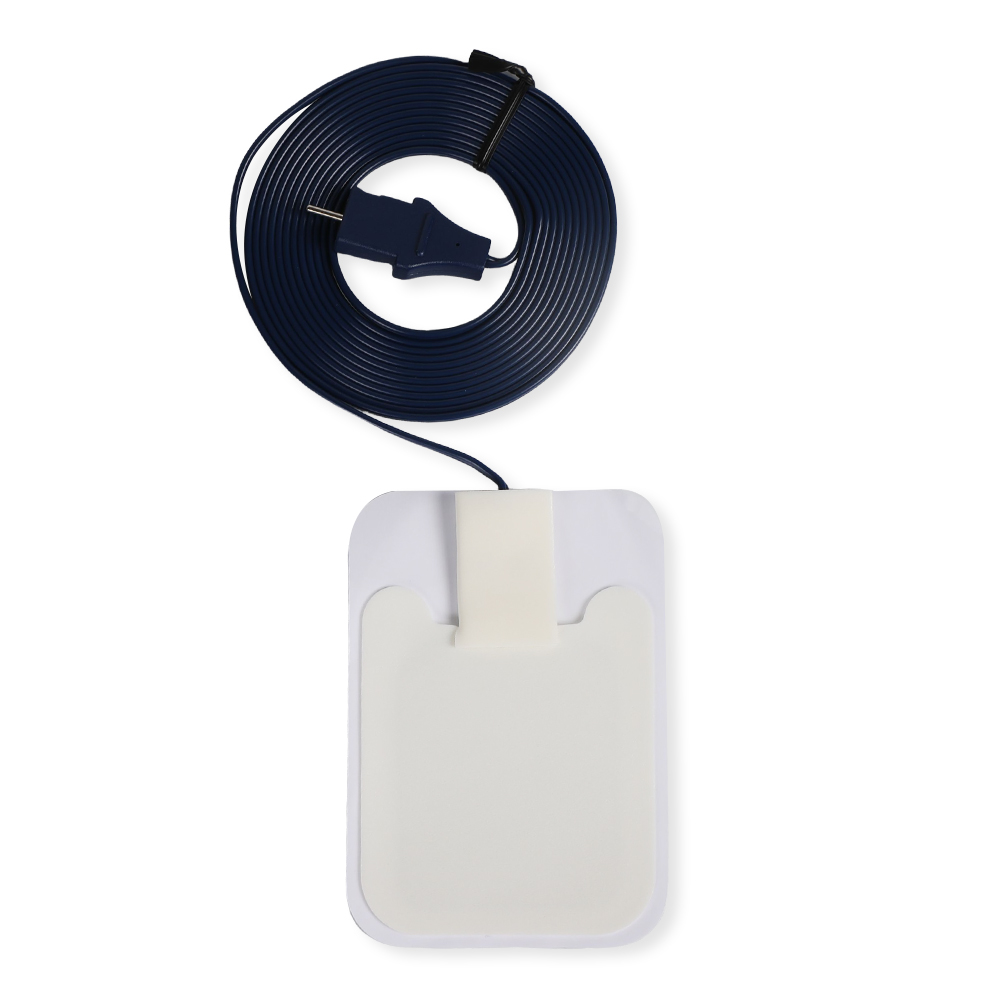
When producing Neutral Electrode Plates, manufacturers must balance several technical and material factors:
For Return Electrode Plates, consistent adhesive performance and uniform conductive layers are essential. Any inconsistency may affect current density and overall safety.
Manufacturers must also validate that Neutral Electrode Placement guidelines are supported by product design—such as size, shape, and labeling that guides clinicians during application.
Although Neutral Electrode Plates and Return Electrode Plates are often used interchangeably, manufacturers may differentiate products based on design features:
| Feature | Neutral Electrode Plates | Return Electrode Plates |
| Function | Current dispersion | Current return path |
| Usage Context | General electrosurgery | ESU-specific applications |
| Design Focus | Skin contact stability | Electrical conductivity |
| Safety Emphasis | Burn prevention | Impedance monitoring |
Both product types must support accurate Neutral Electrode Placement, ensuring that the contact surface remains consistent and reliable throughout surgical procedures.
From a manufacturing viewpoint, product usability is directly tied to how clinicians perform Neutral Electrode Placement. Even advanced Neutral Electrode Plates require correct positioning to function effectively.
Key placement considerations include:
Manufacturers often incorporate visual indicators or design features into Return Electrode Plates to assist clinicians in achieving proper Neutral Electrode Placement.
Safety is the primary priority when designing Neutral Electrode Plates and Return Electrode Plates. Manufacturers must ensure that:
Additionally, proper Neutral Electrode Placement must be supported through clear instructions, labeling, and product design. Misplacement can cause uneven current distribution, which is why both product engineering and user guidance are essential.
Manufacturers also conduct testing to ensure that Return Electrode Plates perform reliably under different surgical conditions, including varying patient sizes, skin conditions, and procedure durations.
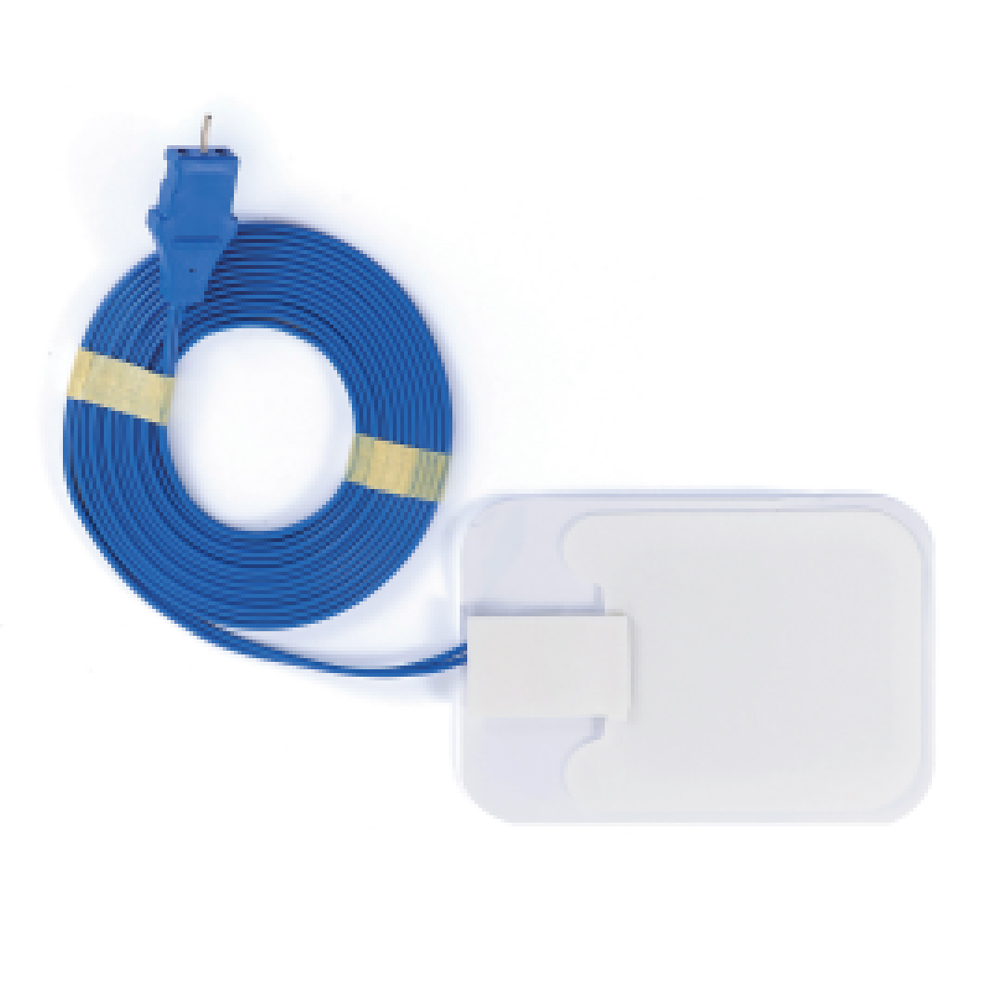
Material selection plays a crucial role in the performance of Neutral Electrode Plates. Conductive gel layers, adhesive substrates, and backing materials must work together to ensure stable performance.
For Return Electrode Plates, conductive materials must maintain consistent electrical pathways while also providing flexibility and comfort. Manufacturers often use layered structures to achieve both conductivity and adhesion.
Proper Neutral Electrode Placement further enhances the effectiveness of these materials by ensuring improve contact area and minimal resistance.
Another important manufacturing consideration is compatibility. Neutral Electrode Plates must be designed to work with a wide range of electrosurgical generators.
Similarly, Return Electrode Plates must feature standardized connectors or interfaces that ensure secure attachment to ESU devices. Compatibility reduces the risk of connection failure during procedures.
Manufacturers also consider how Neutral Electrode Placement interacts with device monitoring systems, such as contact quality monitoring (CQM), which detects changes in impedance between the electrode and patient.
To ensure reliability, manufacturers implement rigorous quality control processes for Neutral Electrode Plates and Return Electrode Plates. These may include:
In addition, simulations of Neutral Electrode Placement scenarios are often conducted to verify product performance under real-world conditions. This helps ensure that electrodes perform consistently regardless of placement variations.
Clear packaging and labeling are essential for guiding proper Neutral Electrode Placement and usage. Manufacturers typically include:
Packaging for Return Electrode Plates is designed to preserve sterility (if applicable) and maintain adhesive integrity. Proper labeling helps reduce user error and ensures safe application.
Manufacturers continue to innovate in the design of Neutral Electrode Plates and Return Electrode Plates to improve safety and usability. Trends include:
These innovations aim to support clinicians in achieving good outcomes while maintaining consistent safety standards.
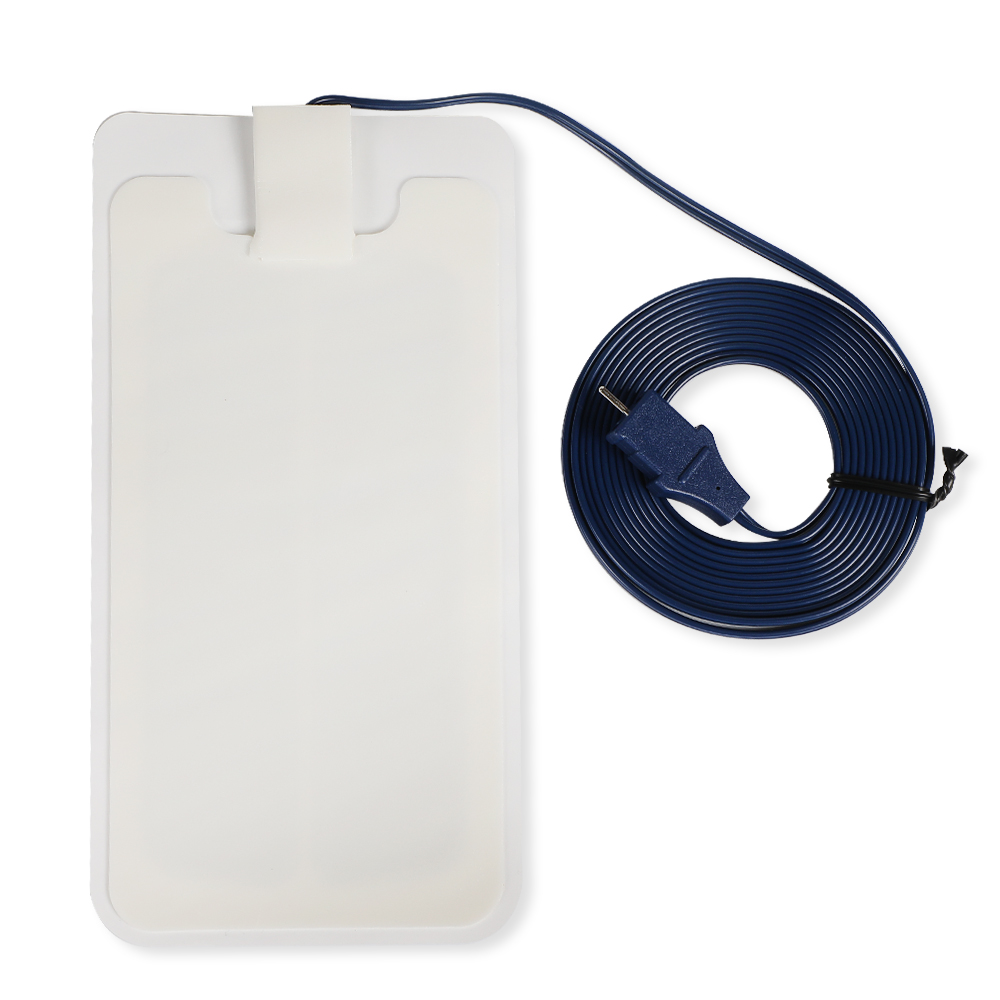
From a manufacturing perspective, Neutral Electrode Plates, Return Electrode Plates, and Neutral Electrode Placement form a tightly interconnected system that directly impacts surgical safety and performance. High-quality design, careful material selection, and strict quality control are essential to ensure reliable operation in clinical environments.
Manufacturers must not only focus on producing effective Neutral Electrode Plates and Return Electrode Plates, but also consider how their design supports accurate Neutral Electrode Placement in real-world applications. By aligning product engineering with clinical needs, manufacturers can contribute to safer, more efficient electrosurgical procedures and improved patient outcomes.
In addition, continuous feedback from clinicians plays a vital role in refining the design of both Neutral Electrode Plates and Return Electrode Plates. Manufacturers often collaborate with healthcare professionals to identify practical challenges encountered during Neutral Electrode Placement, such as difficult anatomical sites or varying patient skin conditions. This feedback loop helps drive iterative improvements in adhesive performance, electrode flexibility, and overall ergonomics. Furthermore, regulatory compliance and adherence to international medical device standards ensure that each product batch maintains consistent quality and safety benchmarks. By integrating clinical insights, engineering advancements, and strict manufacturing protocols, producers can enhance the reliability of electrosurgical systems while supporting safer and more efficient surgical workflows across diverse medical environments.
Lishui Kangli
Medical Devices
+86 153 0688 8169
2nd Floor, Building 1, 769 Kaiyuan Road, Bihu Town, Liandu District, Lishui City, Zhejiang Province, China
Contact Us
 English
 русский
 Français
 Español
 Deutsch
 عربى
عربى

