
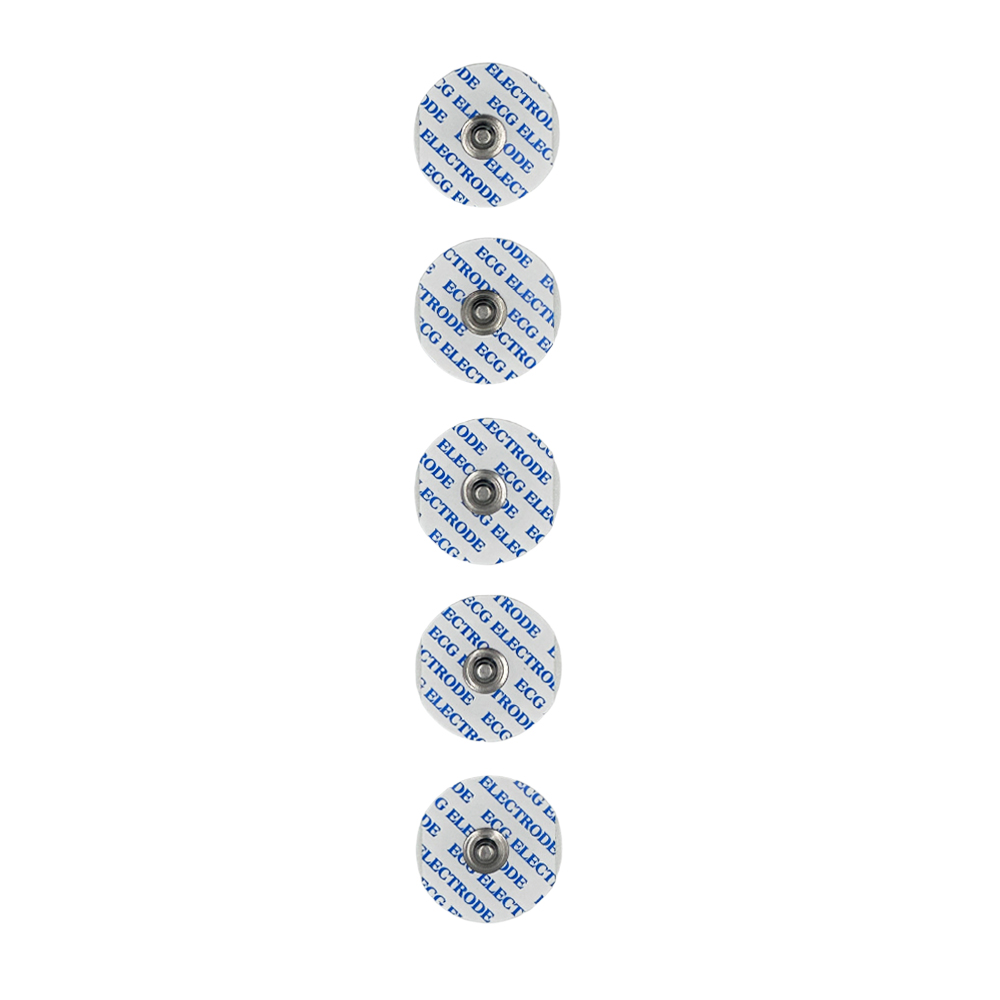
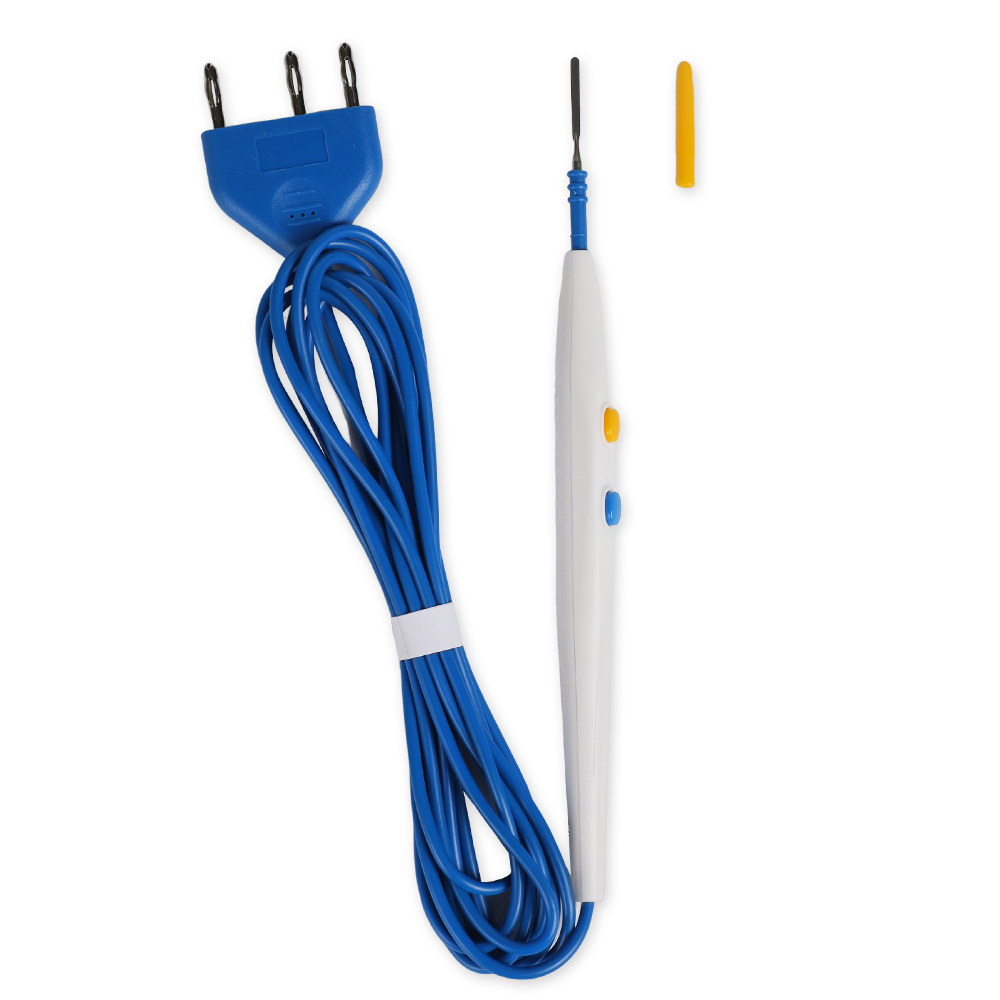
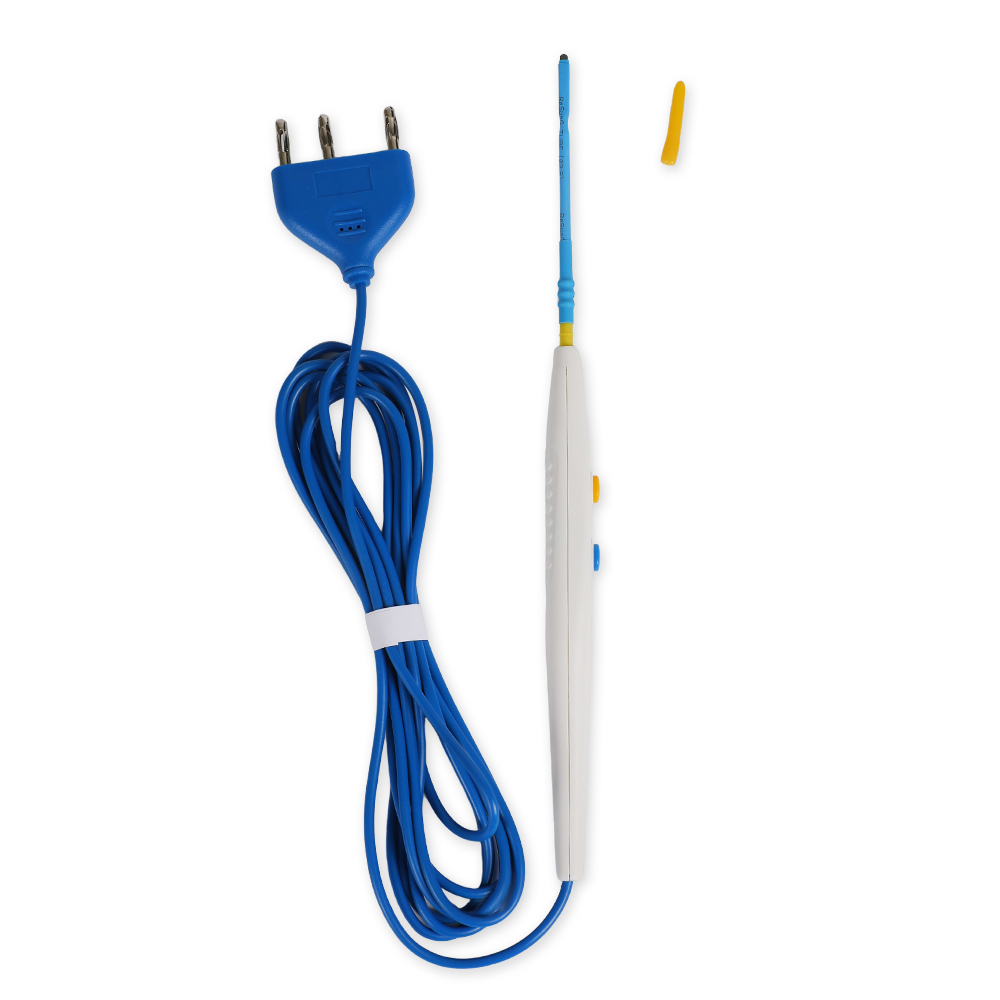
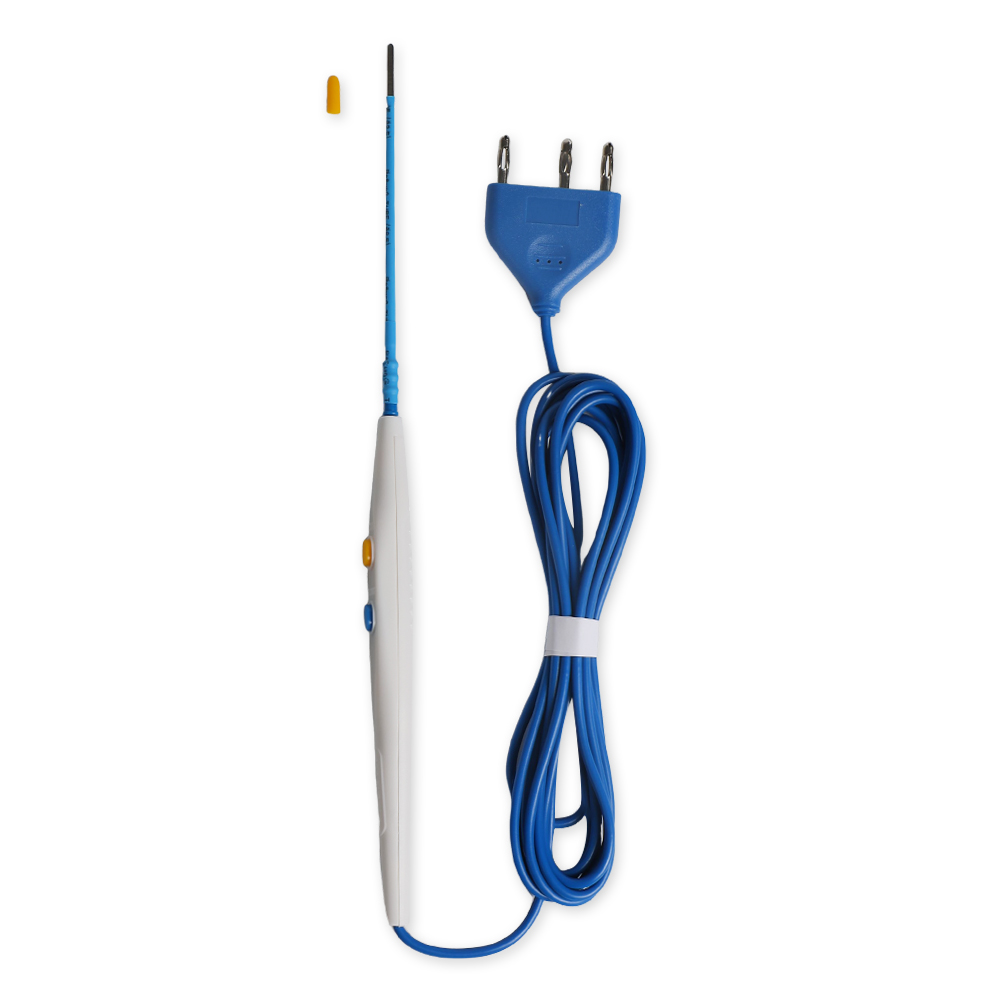
Disposable ECG Electrodes tip geometry directly affects how the current concentrates, which determines the clinical effect. A smaller contact area produces a higher current density, which cuts; a larger contact area spreads the current, which coagulates.
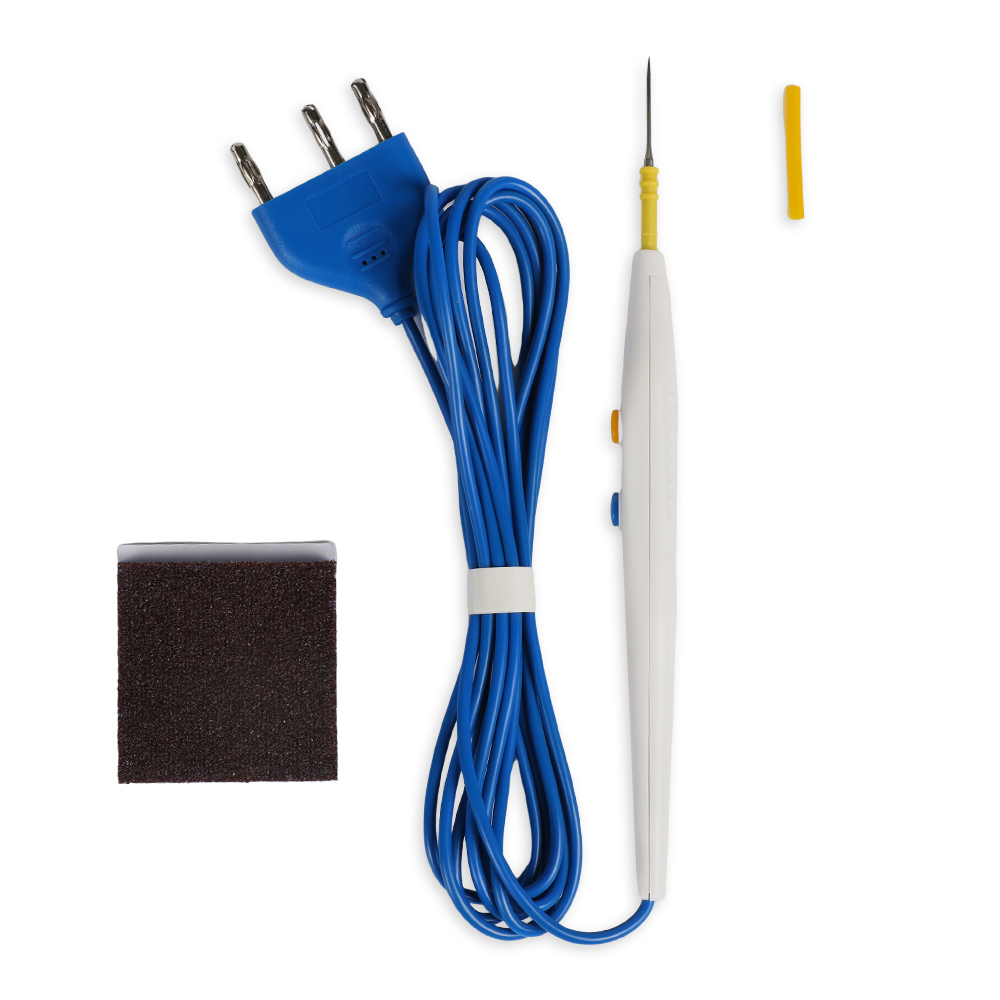
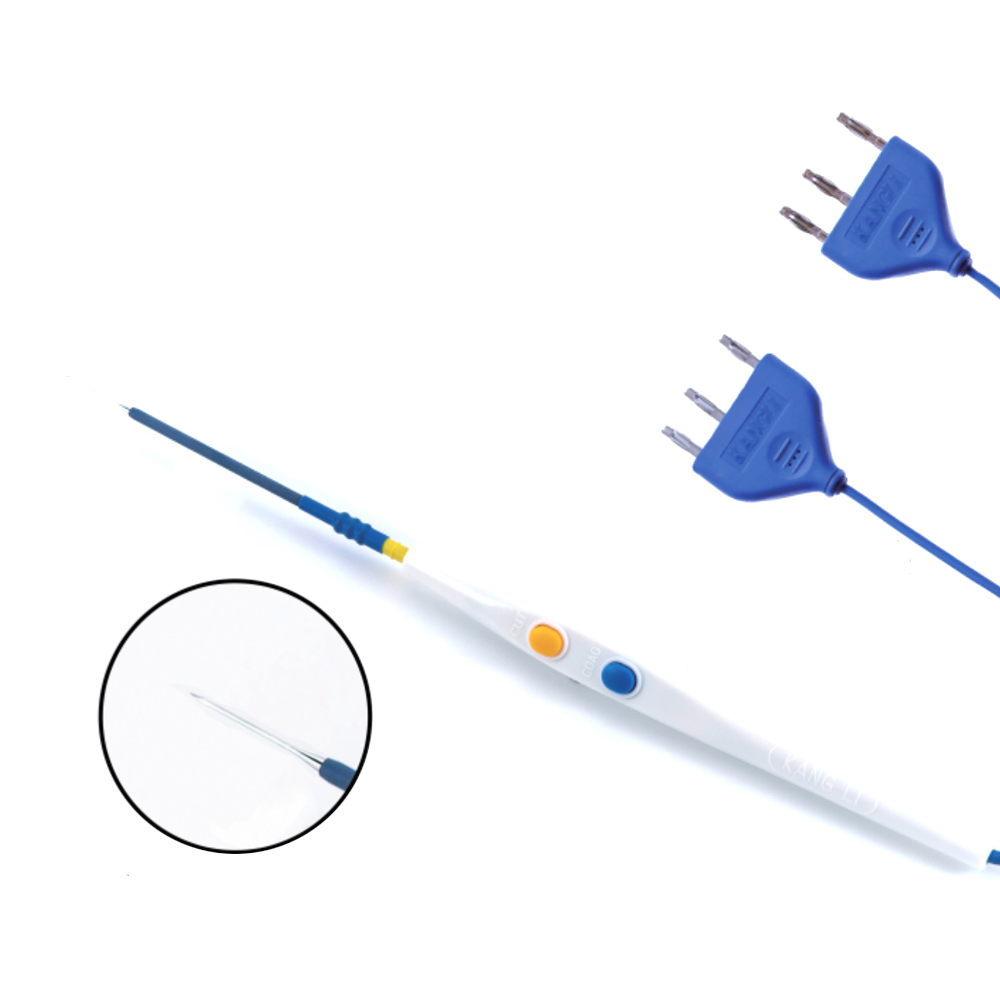
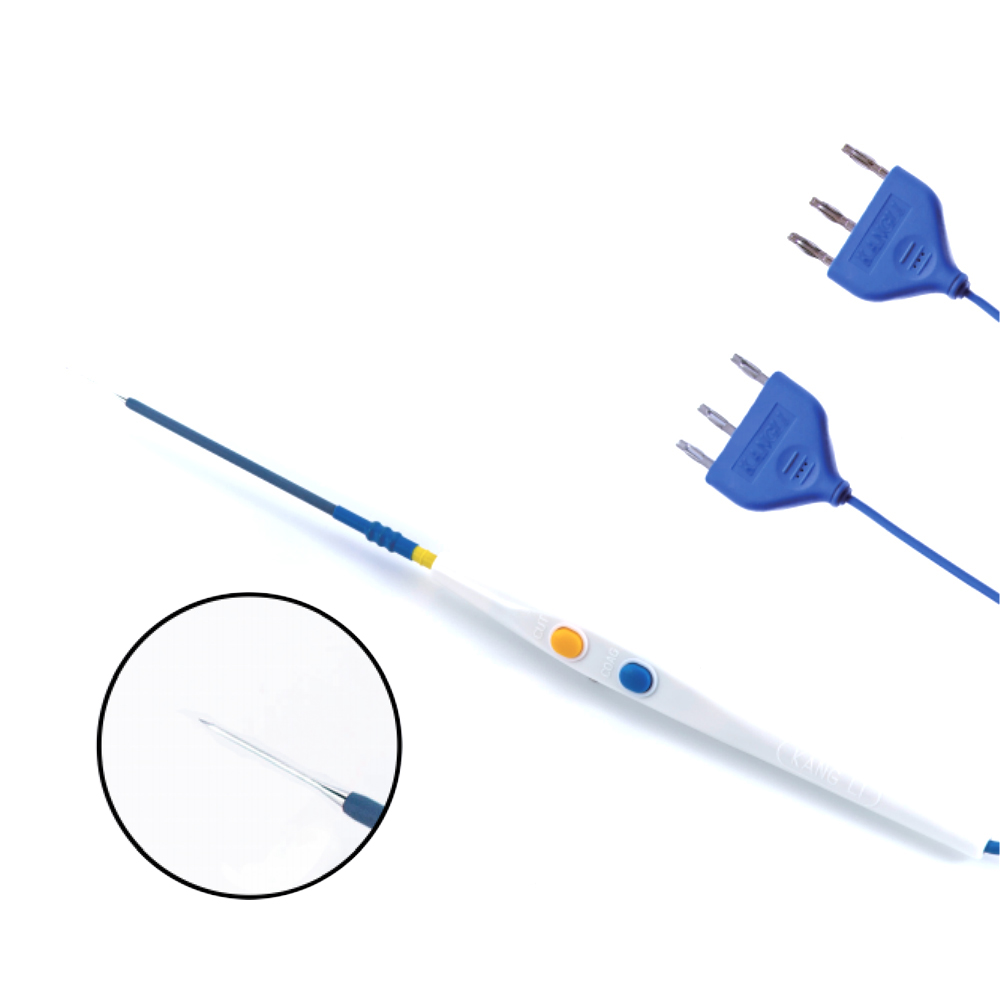
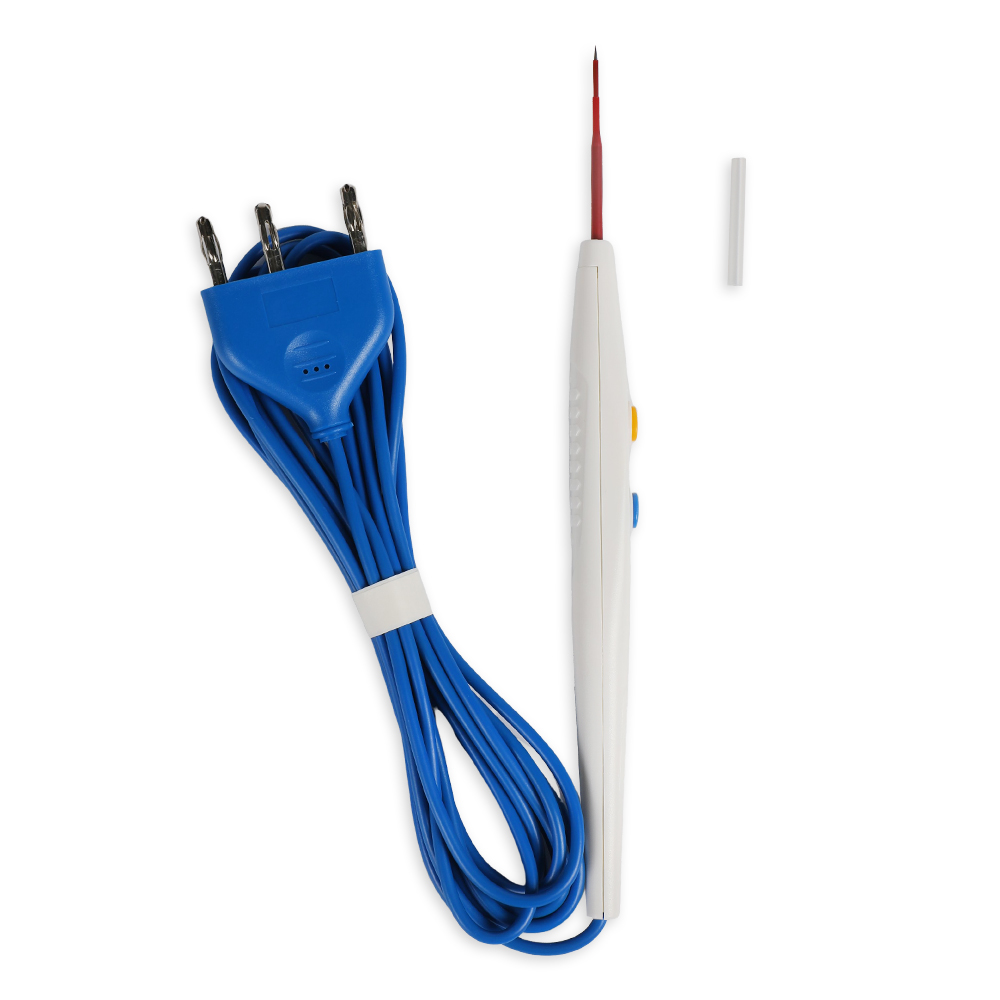
Needle tip (pointed, 0.3–0.8 mm diameter). The smallest tip. Used for fine, precise cutting (skin incisions, delicate dissection). Current density is very high at the point, so the electrode cuts with minimal lateral tissue damage (0.1–0.3 mm). However, needle tips are easily bent (the wire is 0.3–0.5 mm thick). Use for plastic surgery, hand surgery, and ophthalmic procedures. Not suitable for coagulation; switch to a different tip or change generator output to coagulation mode.
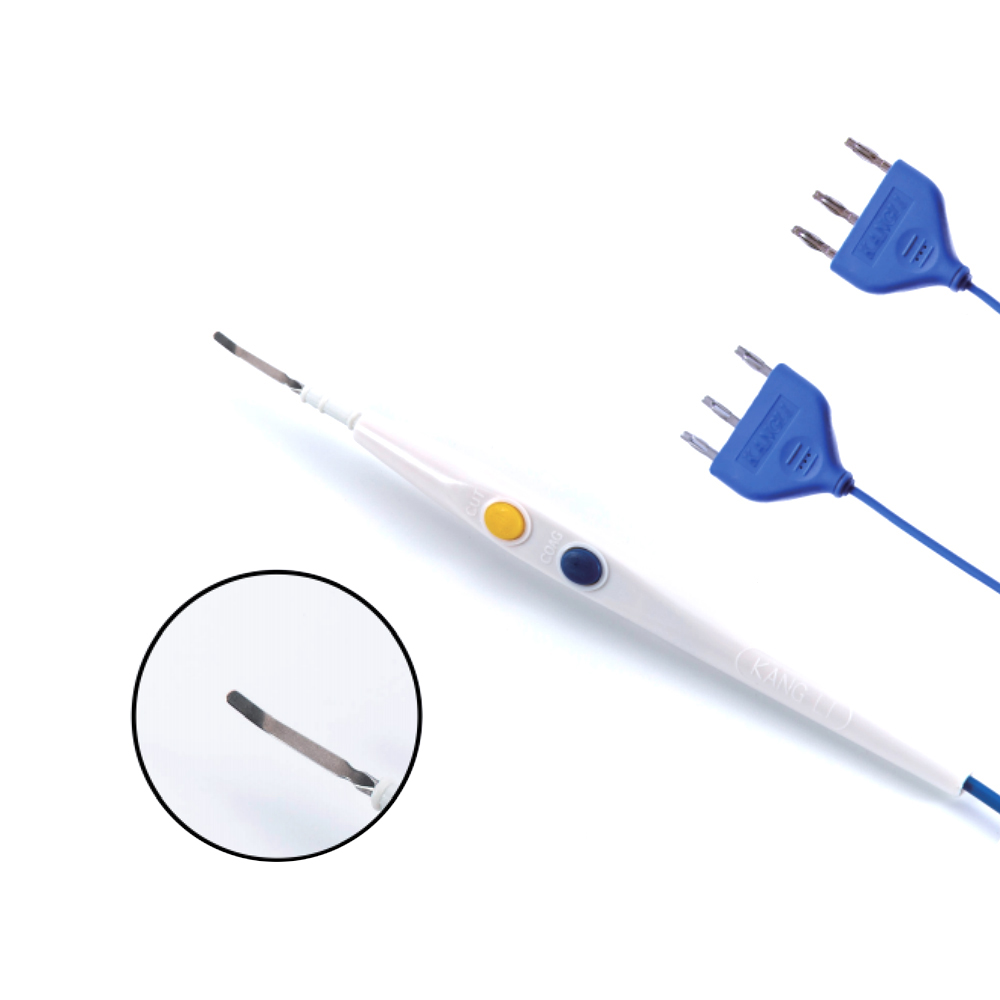
Blade tip (flat, 2–5 mm wide, shaped like a spear). The most common tip for general surgery. The edge of the blade concentrates current for cutting; the flat side spreads current for coagulation. A standard blade tip (3 mm wide) can cut abdominal fascia, coagulate small vessels (up to 1 mm diameter), and dissect tissue planes. The blade may have a "flat" profile (like a small spatula) or a "pointed" profile (like a mini scalpel). Surgeons choose based on preference. For cutting, the blade is moved along tissue using the tip edge; for coagulation, the blade is pressed flat against the bleeding point.
Ball tip (round, 1.5–3 mm diameter). Used almost exclusively for coagulation. The spherical shape spreads current evenly, producing a surface cautery effect (2–4 mm diameter). A ball tip can stop bleeding from a capillary bed (e.g., a liver surface) but cannot cut (the current density is too low). Ball tips are also used to ablate (destroy) small lesions (polyps, endometriosis implants). The ball may have a smooth surface or a textured (golf-ball) surface, which reduces tissue sticking.
Loop tip (a wire loop, 5–15 mm width). Used in gynecology (LEEP – loop electrosurgical excision procedure) for removing cervical tissue (polyps, CIN lesions). The loop is energized; as it is drawn through tissue, it cuts a strip. The depth of cut is controlled by the loop shape (semicircular, square, or triangular). The loop also coagulates the bed of the cut. Loop electrodes are single-use to prevent cross-contamination of human papillomavirus (HPV). Typical loop dimensions: wire thickness 0.2–0.3 mm, loop width 10 mm, height 5 mm.
Electrosurgery produces surgical smoke (also called "plume"). When tissue is heated to 100–300°C, cells vaporize, releasing a smoke plume containing water vapor, carbonized tissue particles, and potentially viable viruses or bacteria (if the patient has an infection). Smoke evacuation is a safety requirement in many hospitals.
Lishui Kangli
Medical Devices
+86 153 0688 8169
2nd Floor, Building 1, 769 Kaiyuan Road, Bihu Town, Liandu District, Lishui City, Zhejiang Province, China
Contact Us
 English
 русский
 Français
 Español
 Deutsch
 عربى
عربى

