
Content
Surgical electrodes deliver electricity to cut tissue or stop bleeding. They are used once. Then thrown away. A disposable surgical electrode is not a cost-cutting product. It is a safety product. Reusing an electrode risks infection. It also risks poor performance. The tip wears. The insulation cracks. The electrical connection fails. A fresh electrode works the same every time. The surgeon knows what to expect.
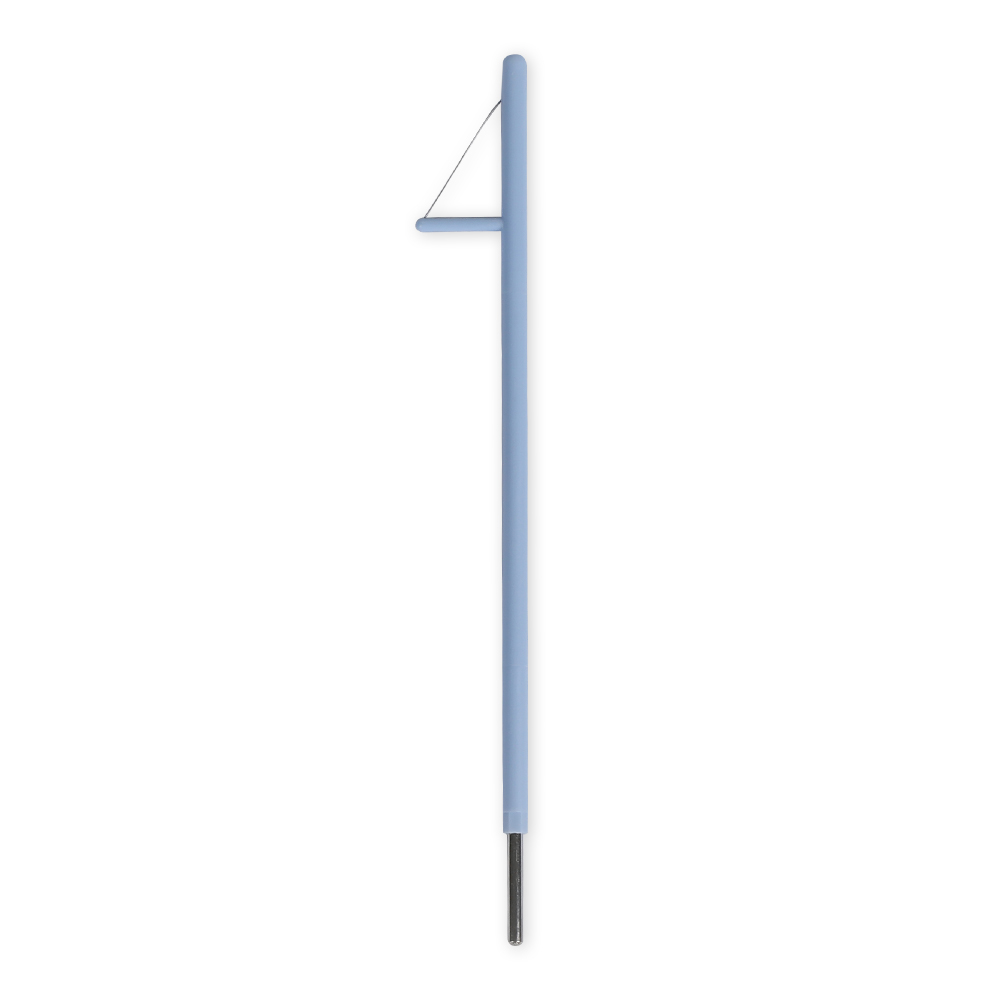
The electrode delivers radio frequency energy to cut or cauterize tissue
A disposable surgical electrode connects to an electrosurgical generator. The generator produces high-frequency alternating current. The current flows through the electrode to the patient. At the electrode tip, the current density is high. Tissue heats rapidly. Cells explode. The tissue separates — a cut.
If the generator is set to coagulation mode, the current is pulsed. The tissue heats more slowly. Proteins denature. Blood vessels seal. Bleeding stops.
The electrode is used for one patient, one procedure. Then it goes into a sharps container. No cleaning. No sterilizing. No risk of transmitting disease from a previous patient.
The electrode has several parts that must work together
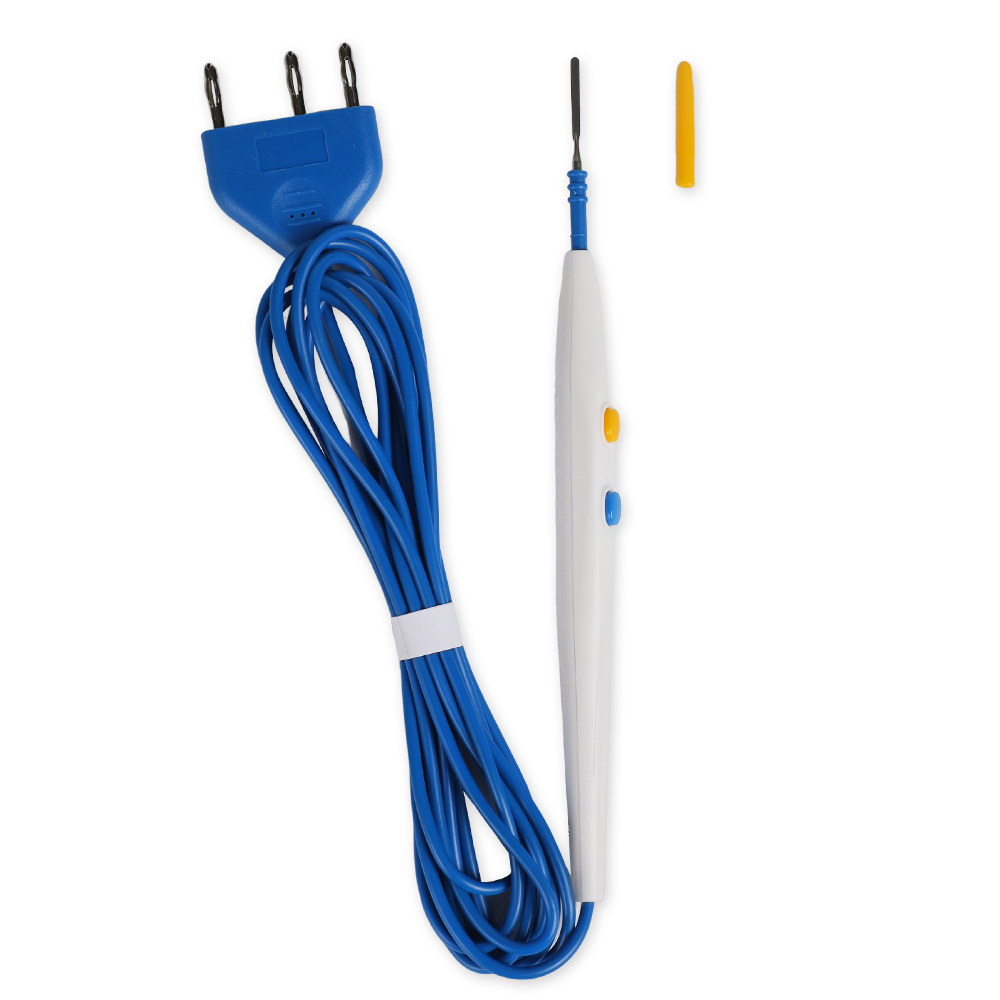
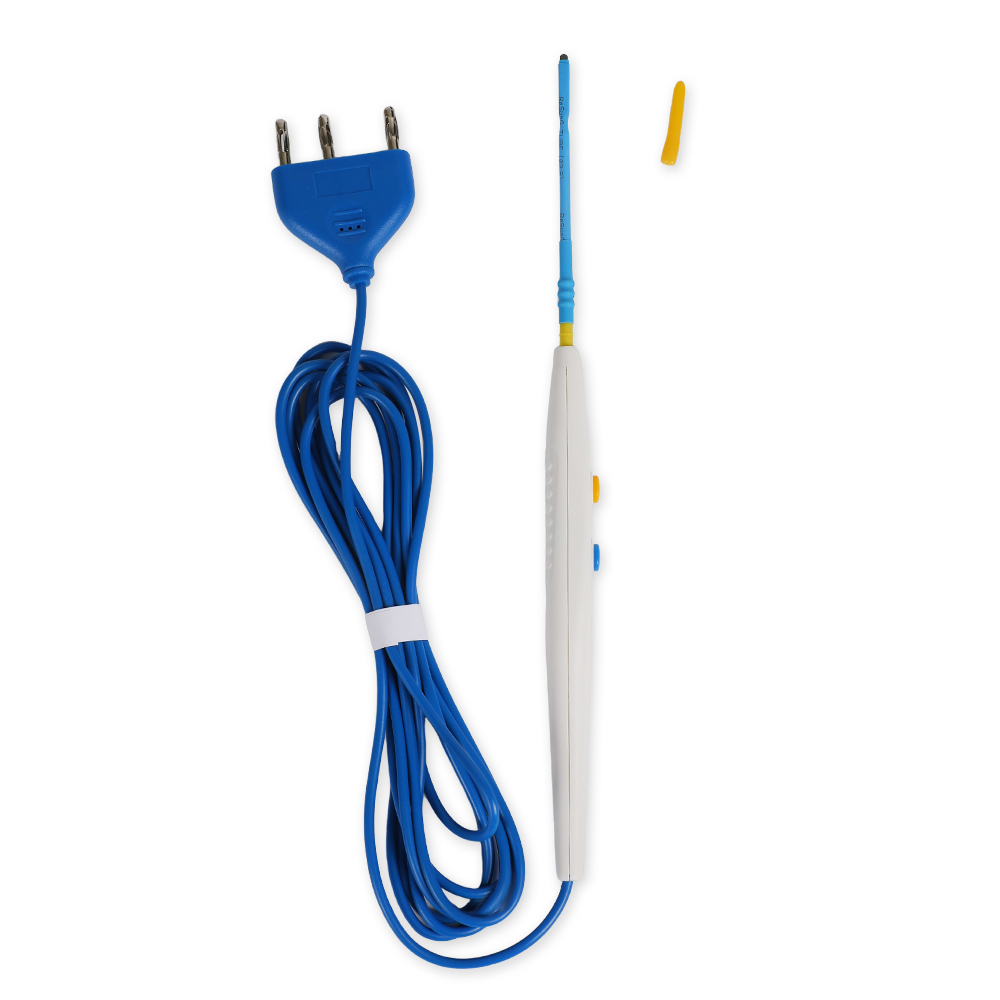
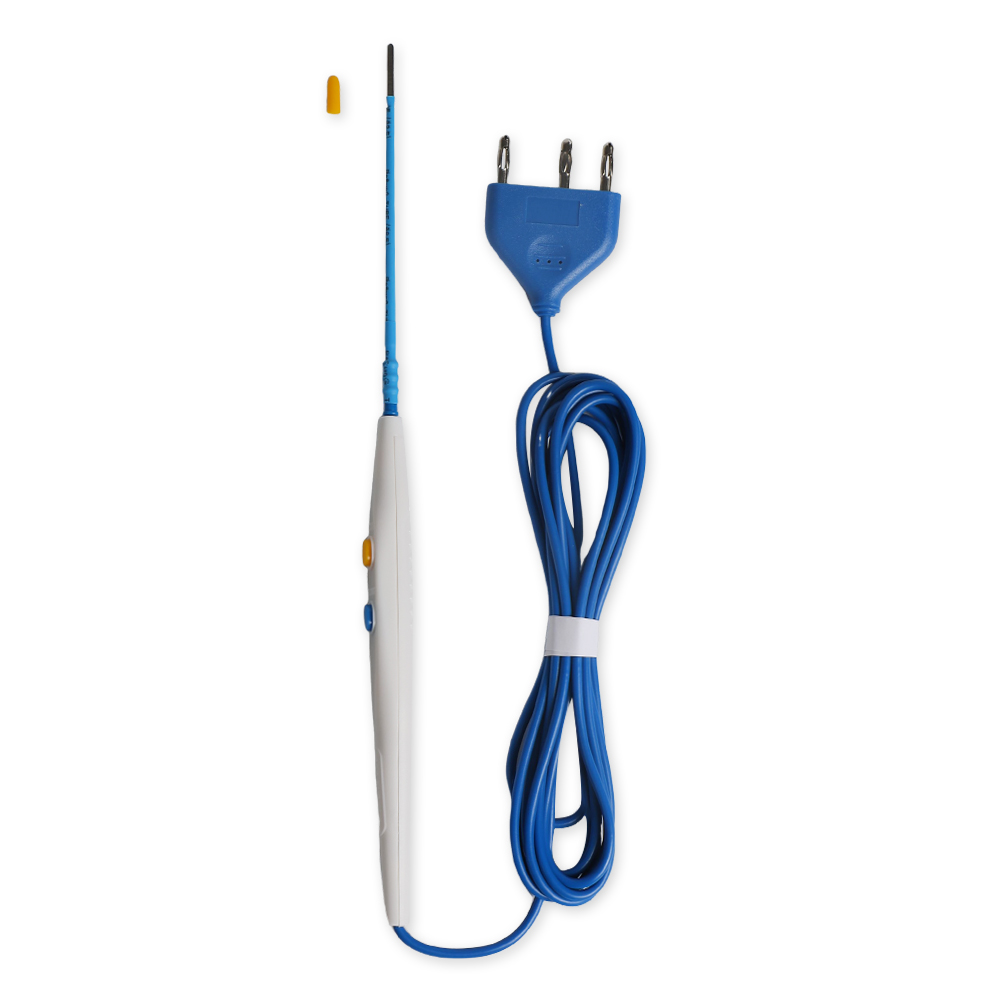
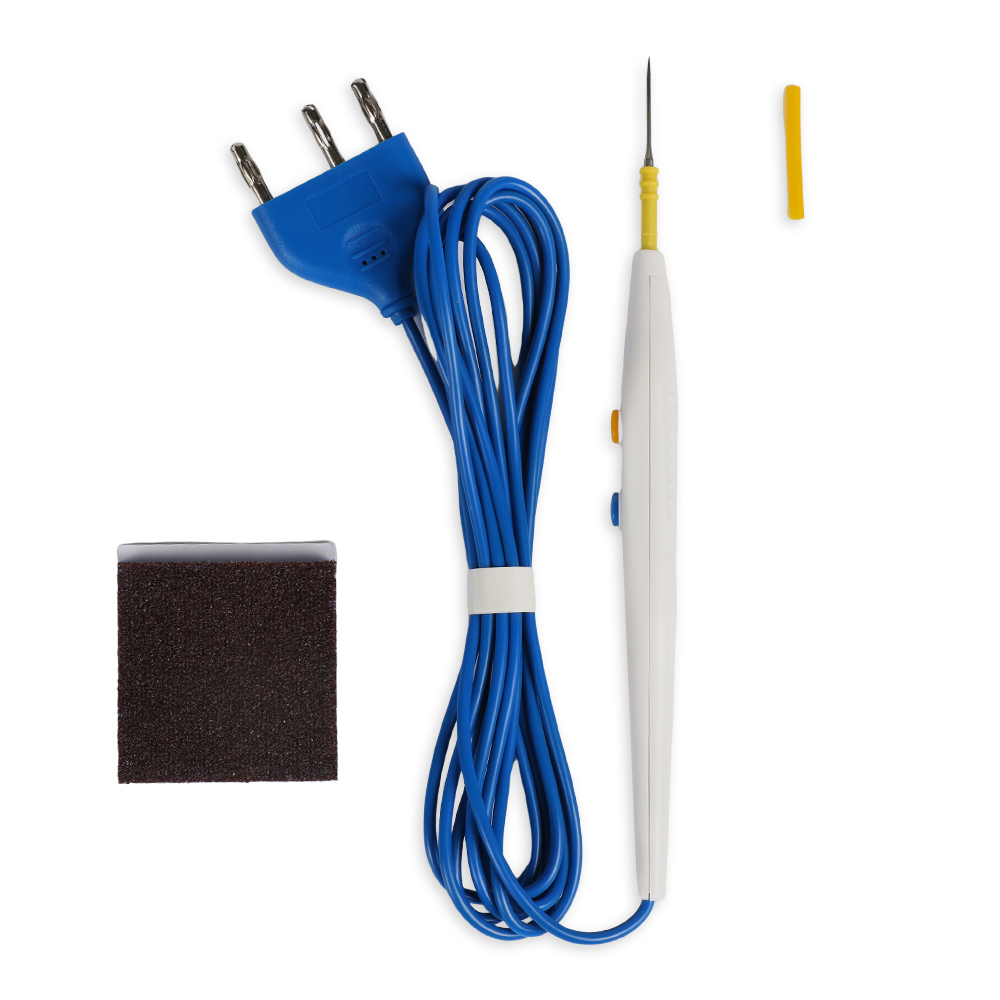
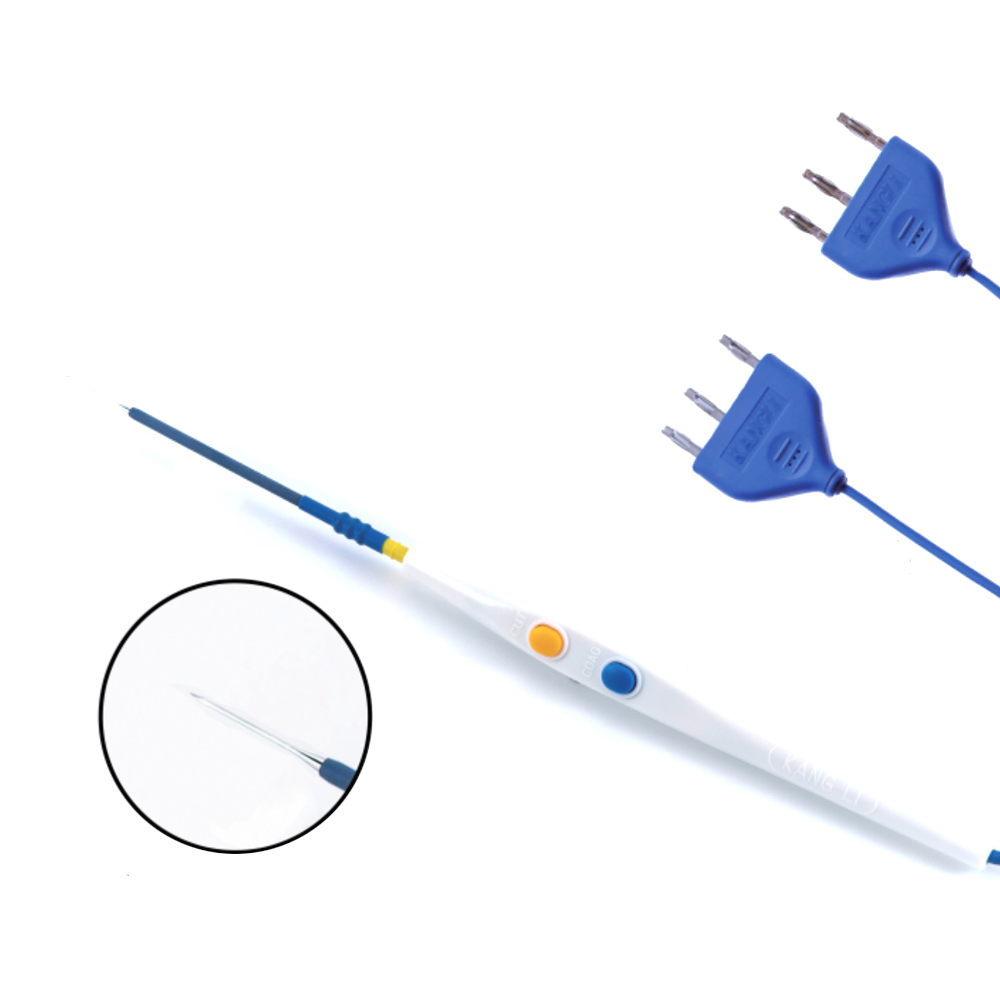
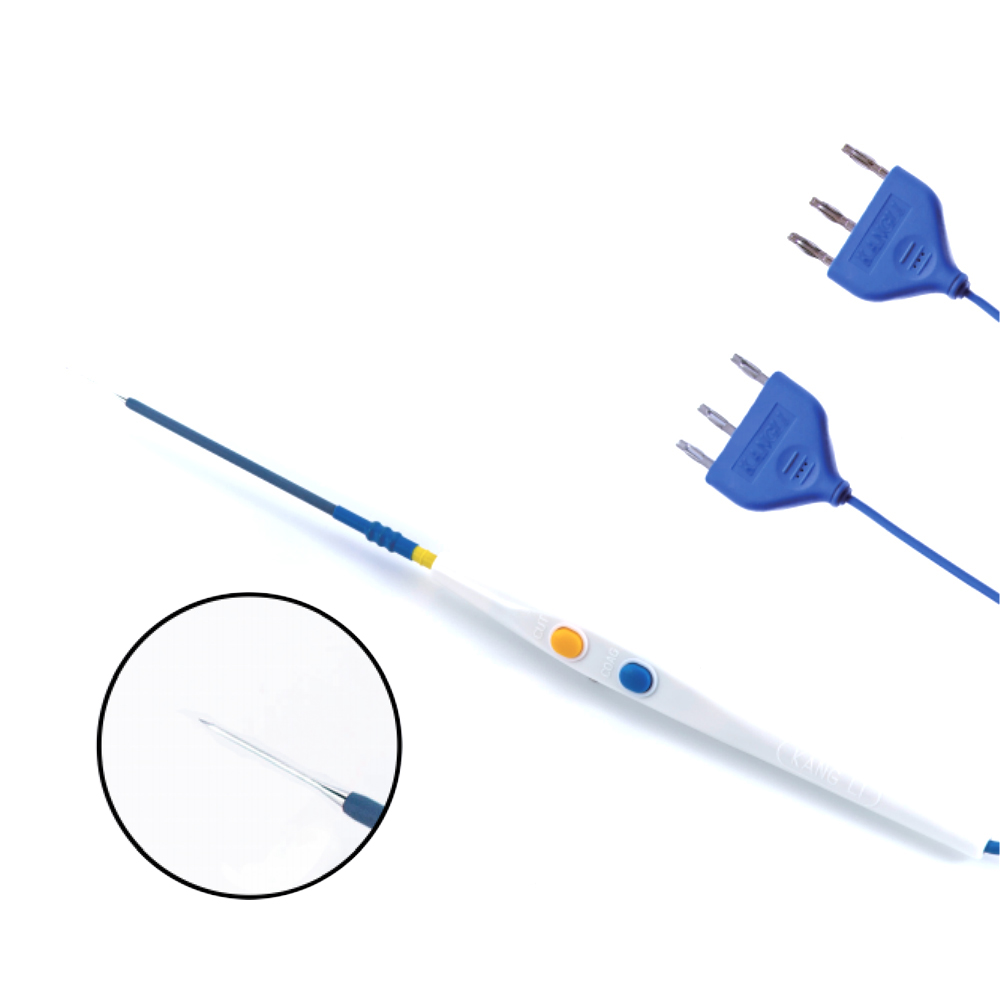
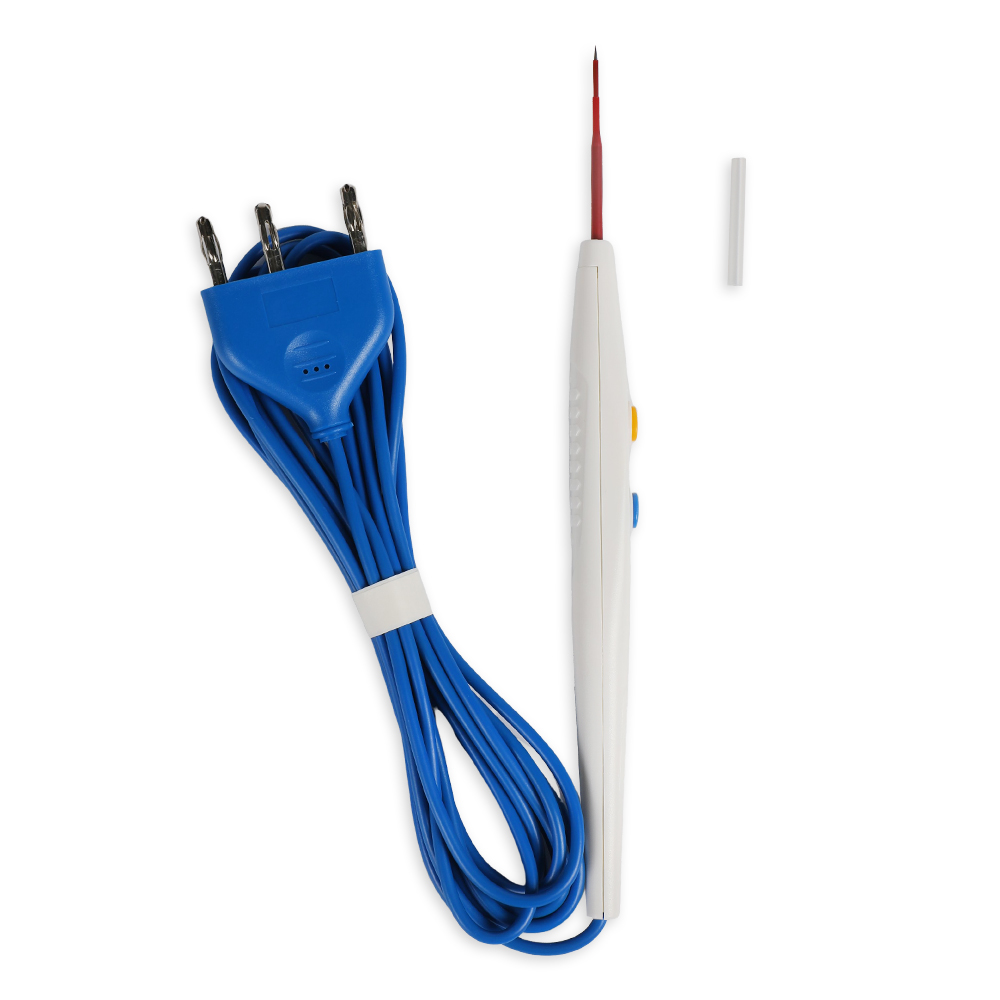
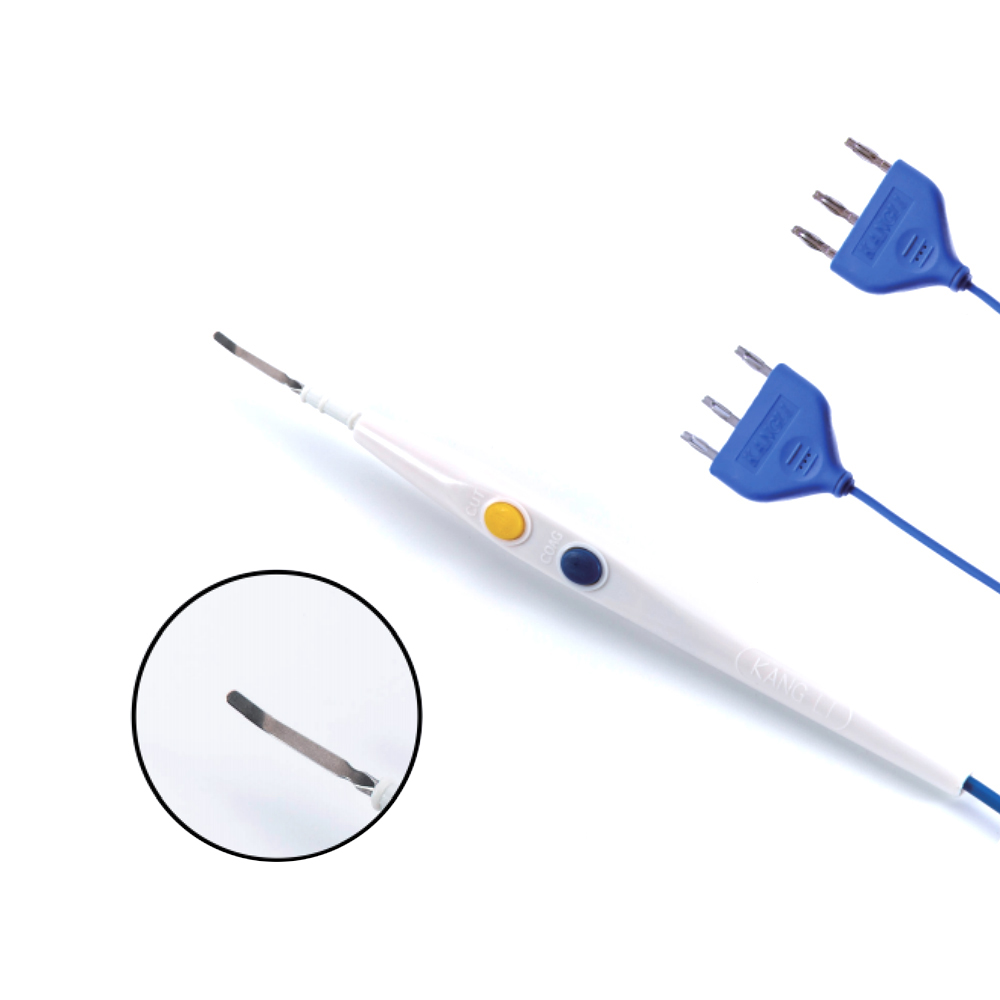
A disposable surgical electrode has a connector, a cable, a handle, and a tip. The connector plugs into the generator. The cable carries the current. The handle is held by the surgeon. The tip does the cutting.
Here is what each part needs to do reliably:
Standard electrodes for general surgery
The many common disposable surgical electrode has a blade tip. The blade is flat and pointed. Used for making incisions in skin and soft tissue. The blade comes in different lengths. A 15-millimeter blade for small incisions. A 25-millimeter blade for larger cuts.
Needle tips are for precise work. Fine dissection around nerves and vessels. The tip is a sharp point. The surgeon controls the depth of cut carefully.
Loop electrodes for gynecology and urology
Loop electrodes have a wire shaped into a circle or triangle. Used for removing polyps or tissue samples. The loop cuts through tissue as the surgeon pulls it. The tissue stays inside the loop. Removed intact for biopsy.
A disposable surgical electrode with a loop tip is common in hysteroscopy and cystoscopy. The procedure is minimally invasive. The electrode goes through a scope.
Ball electrodes for cauterizing larger areas
A ball electrode has a smooth sphere at the tip. Used for coagulation, not cutting. The ball rolls across the tissue surface. The electrical current seals bleeding vessels. Good for oozing surfaces like liver or muscle.
Insulation integrity prevents burns to surrounding tissue
The electrode shaft is insulated. Only the tip is exposed. If the insulation fails, current arcs to nearby tissue. The patient gets a burn where the insulation is missing. A disposable surgical electrode needs insulation that resists punctures and cracking.
Good insulation is extruded polypropylene or PTFE. The insulation thickness is consistent. The material is tested for dielectric strength.
Button reliability affects surgical workflow
The electrode has a button or buttons. The surgeon presses a button to cut. Presses another to coagulate. The button needs to work every time. A stuck button leaves the generator on. A dead button means no current. The surgeon reaches for a new electrode.
Good disposable surgical electrode products use sealed membrane switches. The buttons are raised or textured so the surgeon feels the click through gloves.
Sterility and packaging ensure the electrode is safe to use
A disposable surgical electrode is sterilized at the factory. Usually by gamma radiation or ethylene oxide. The sterile electrode goes into a peel-open pouch. The pouch is sealed. Inside a second pouch. The nurse opens the outer pouch on the sterile field. The surgeon removes the electrode from the inner pouch.
The packaging needs to be easy to open with gloves on. No tearing. No reaching into the pouch to pull the electrode out.
Lishui Kangli
Medical Devices
+86 153 0688 8169
2nd Floor, Building 1, 769 Kaiyuan Road, Bihu Town, Liandu District, Lishui City, Zhejiang Province, China
Contact Us
 English
 русский
 Français
 Español
 Deutsch
 عربى
عربى

