
Content
Modern electrosurgical procedures depend on specialized instruments designed to deliver controlled high-frequency energy for cutting, coagulation, and tissue manipulation. Among commonly used options, Electrosurgical Pencil Electrode, Electrosurgical Loop Electrode, and Electrosurgical Hook Electrode represent three widely recognized configurations, each serving distinct roles in surgical workflows. Understanding their design logic, clinical usage, and operational considerations is essential for safe and effective application in medical environments.
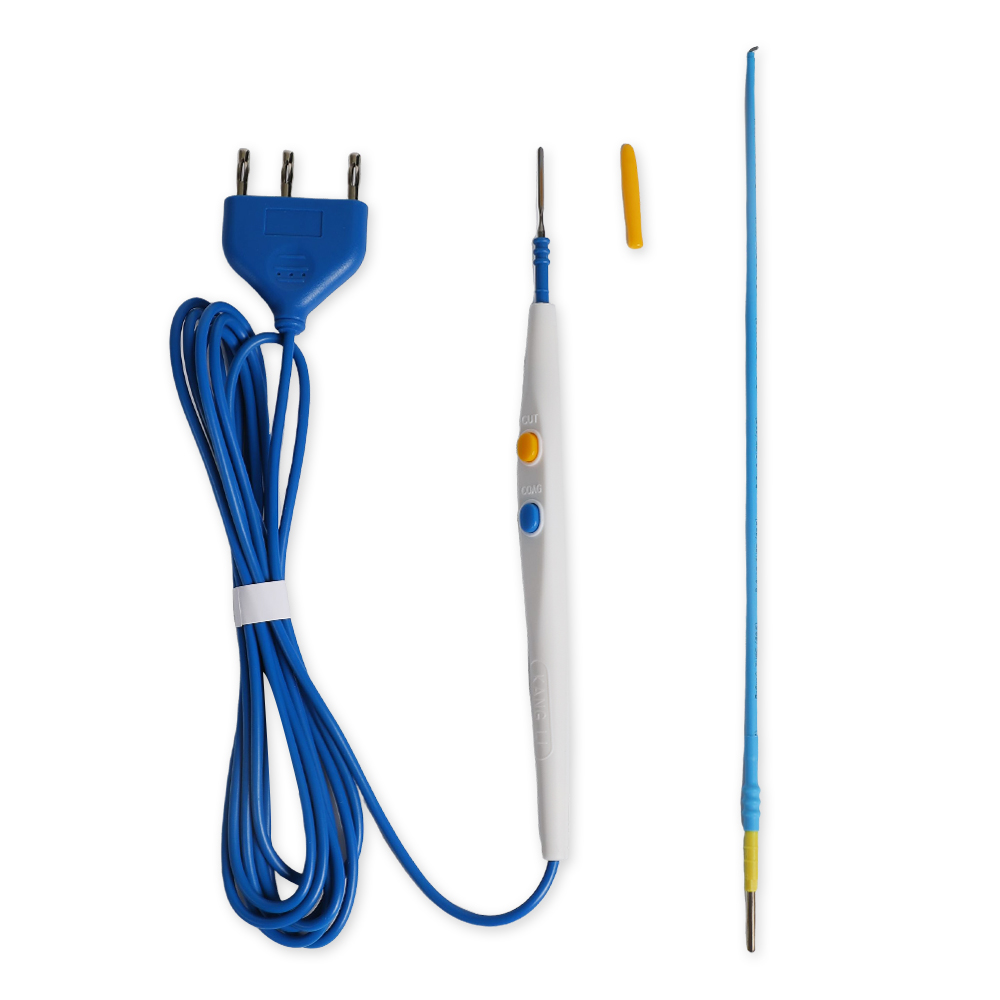
Electrosurgical systems operate by transmitting electrical energy through an active electrode to target tissue. The energy interacts with tissue resistance to generate heat, enabling cutting or coagulation depending on the settings and technique. Within this system, electrode design plays a critical role in determining how energy is delivered and how tissue responds.
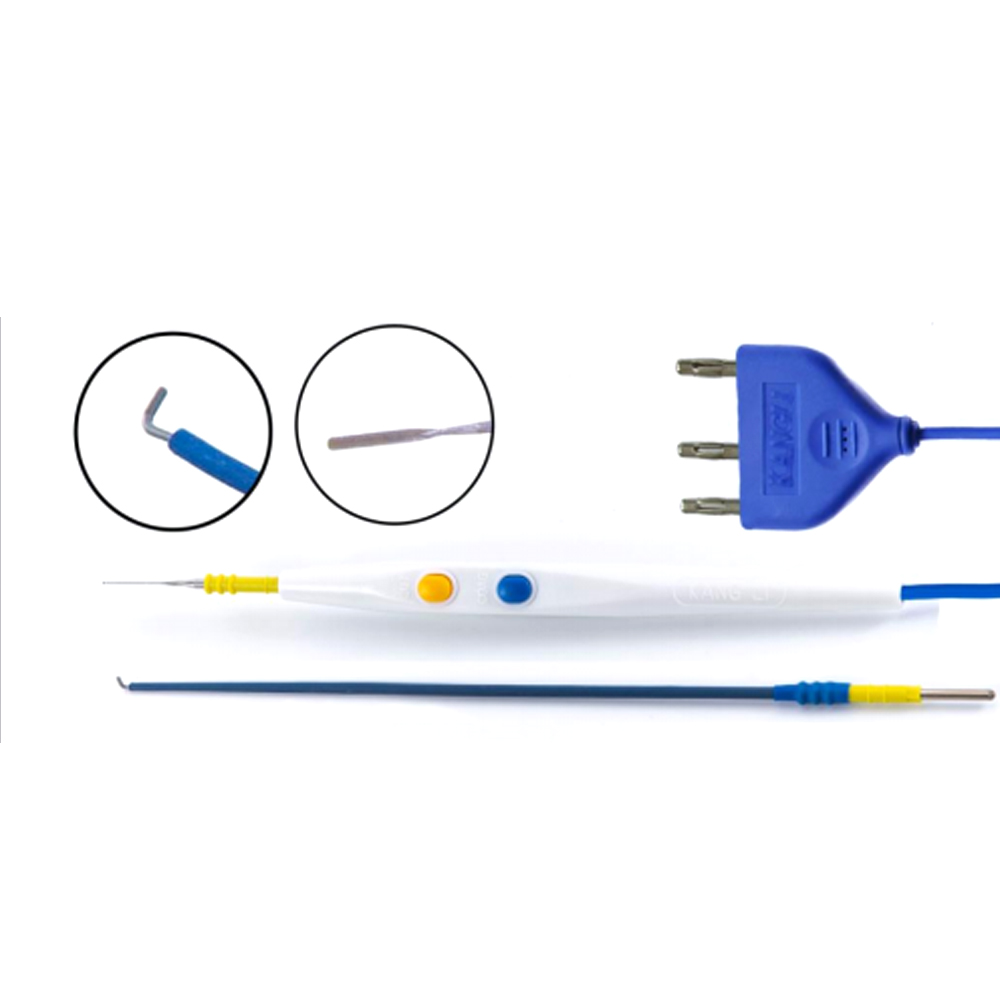
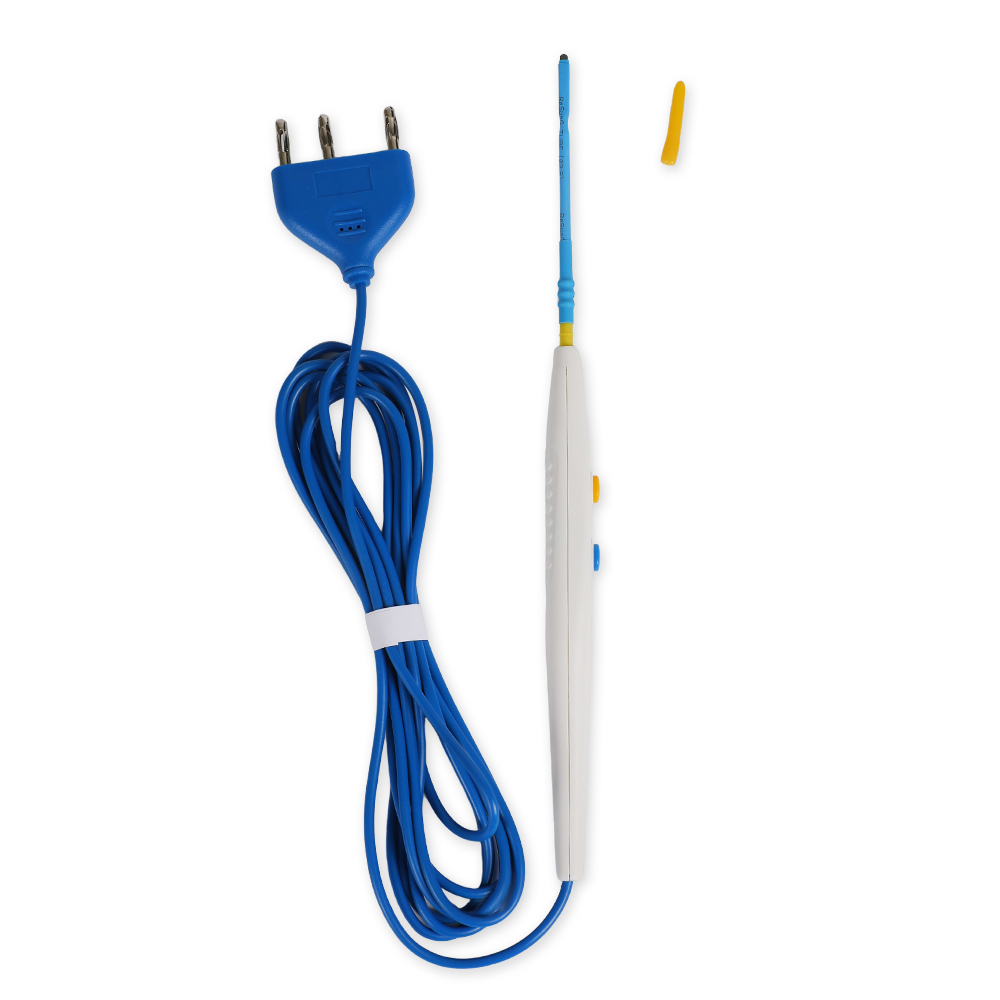
Electrosurgical Pencil Electrode is typically designed for handheld precision use, allowing surgeons to activate energy with fingertip control. Electrosurgical Loop Electrode is structured in a loop configuration, often used for excision or resection procedures where a defined cutting path is required. Electrosurgical Hook Electrode, by contrast, incorporates a hooked tip that facilitates engagement with tissue in specific orientations, particularly in delicate or confined surgical fields.
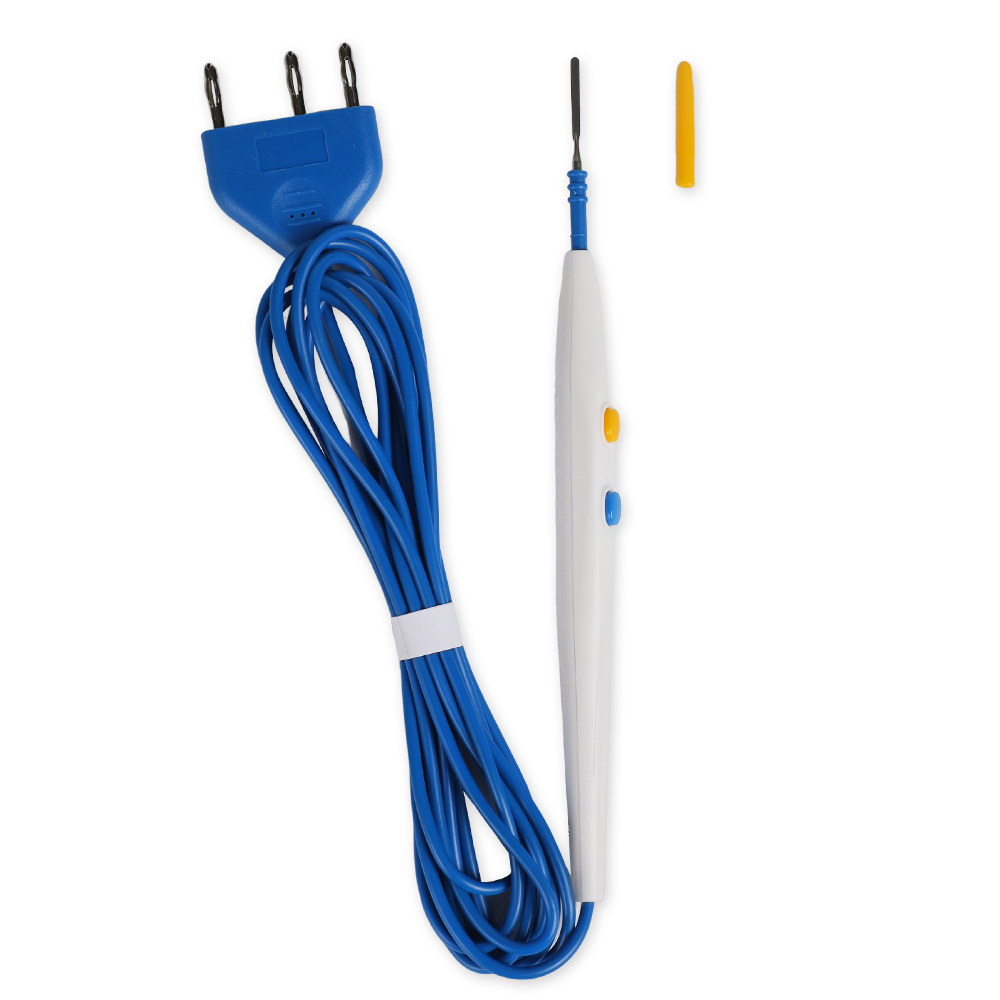
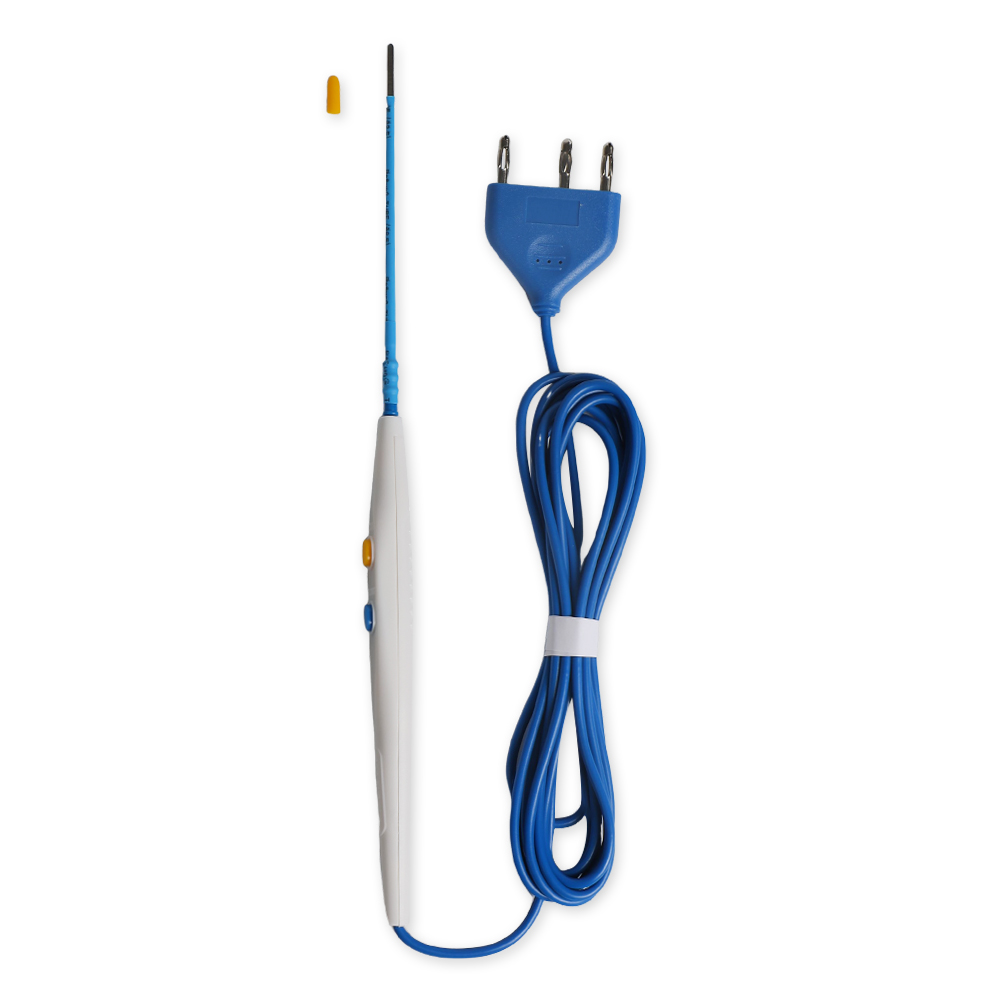
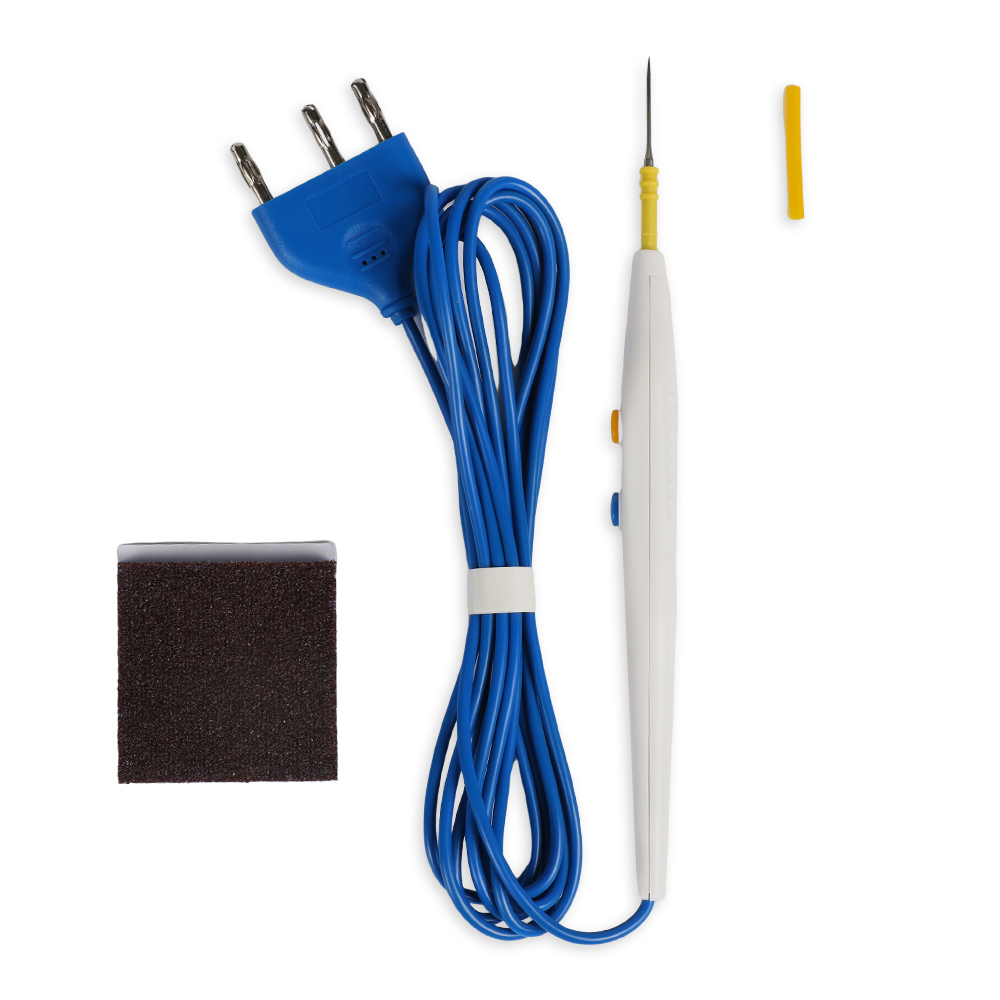
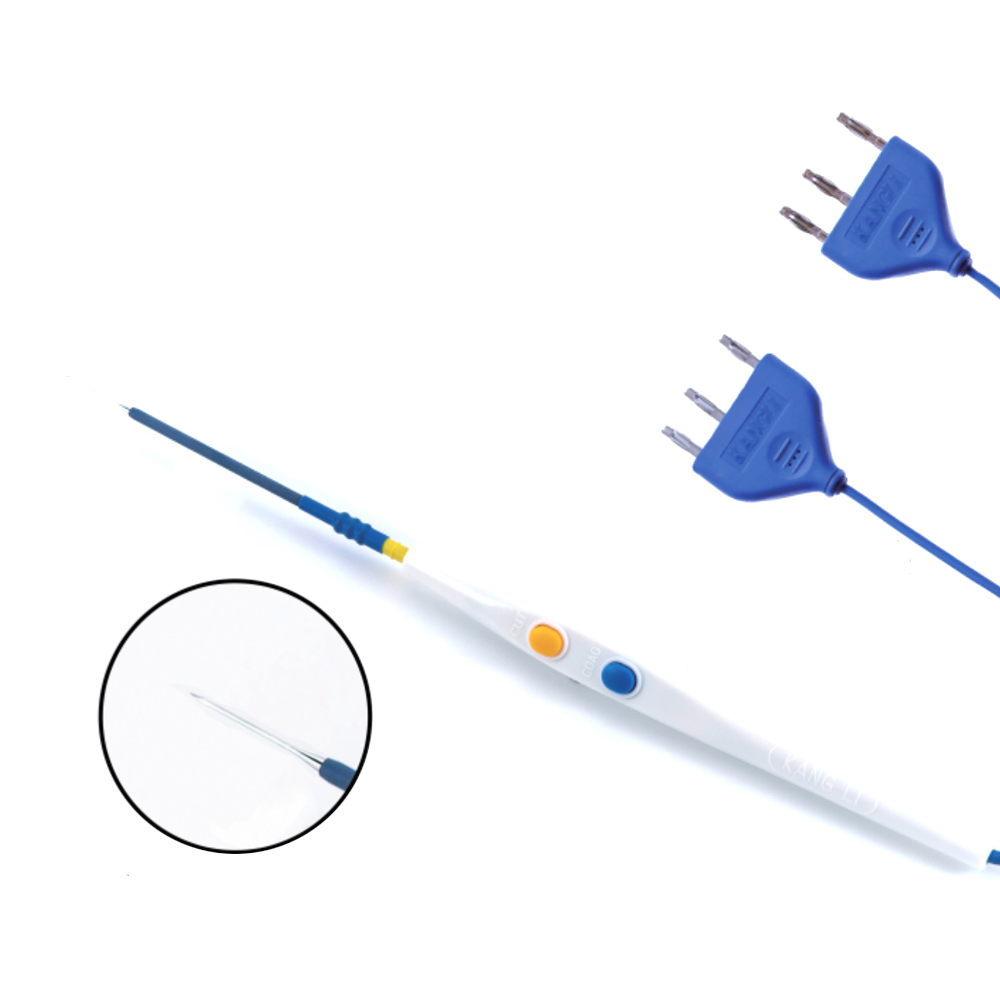
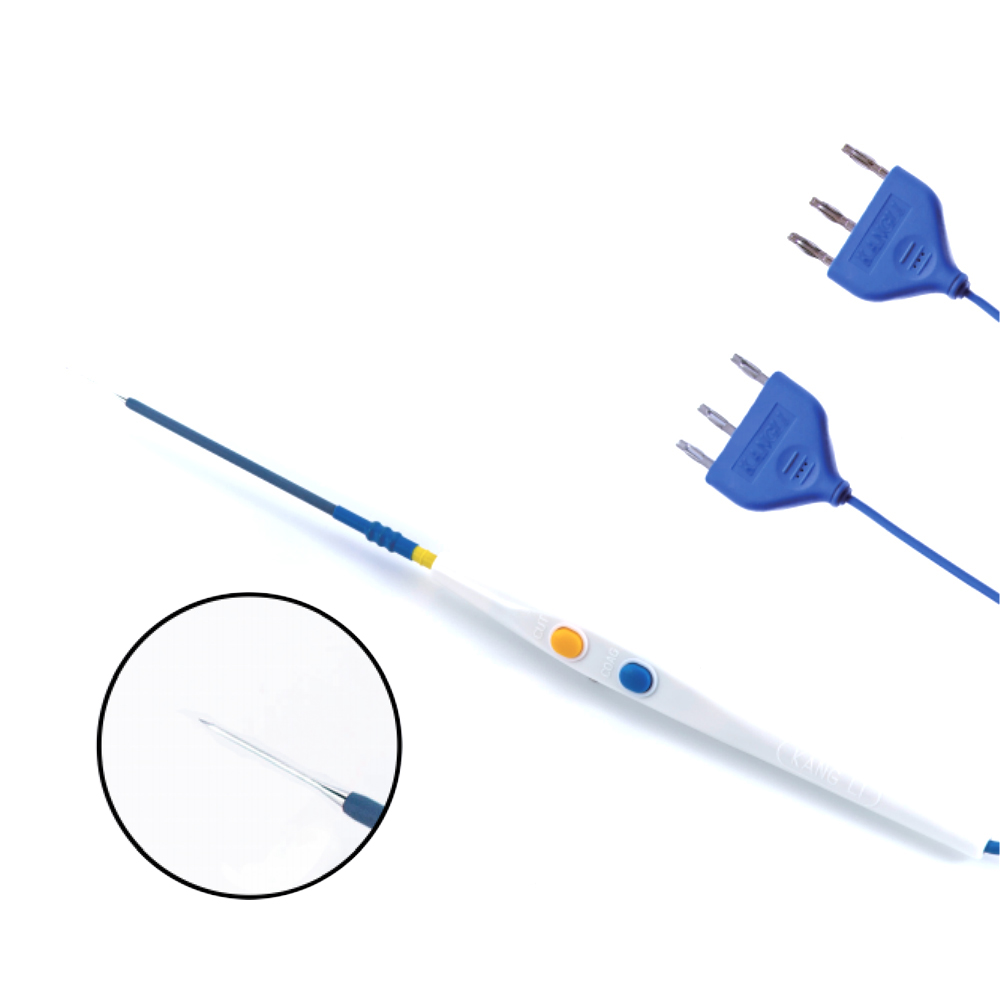
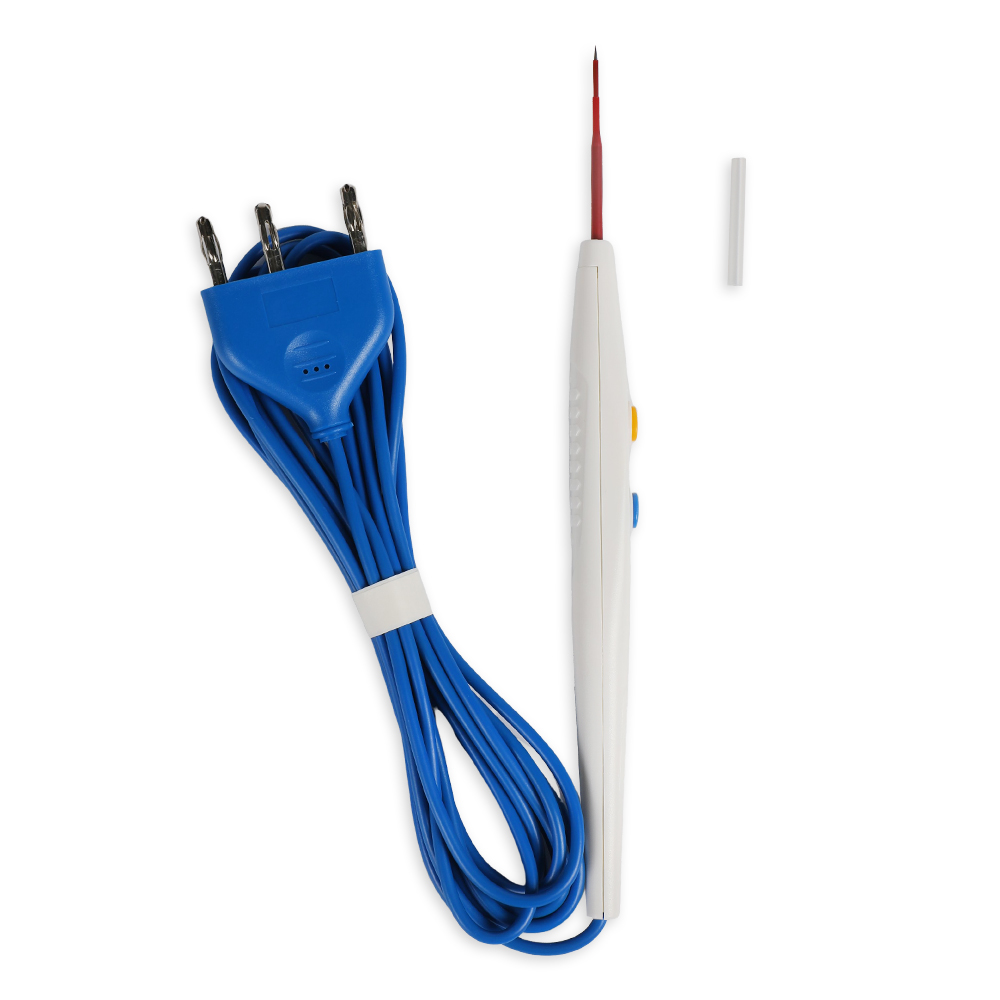
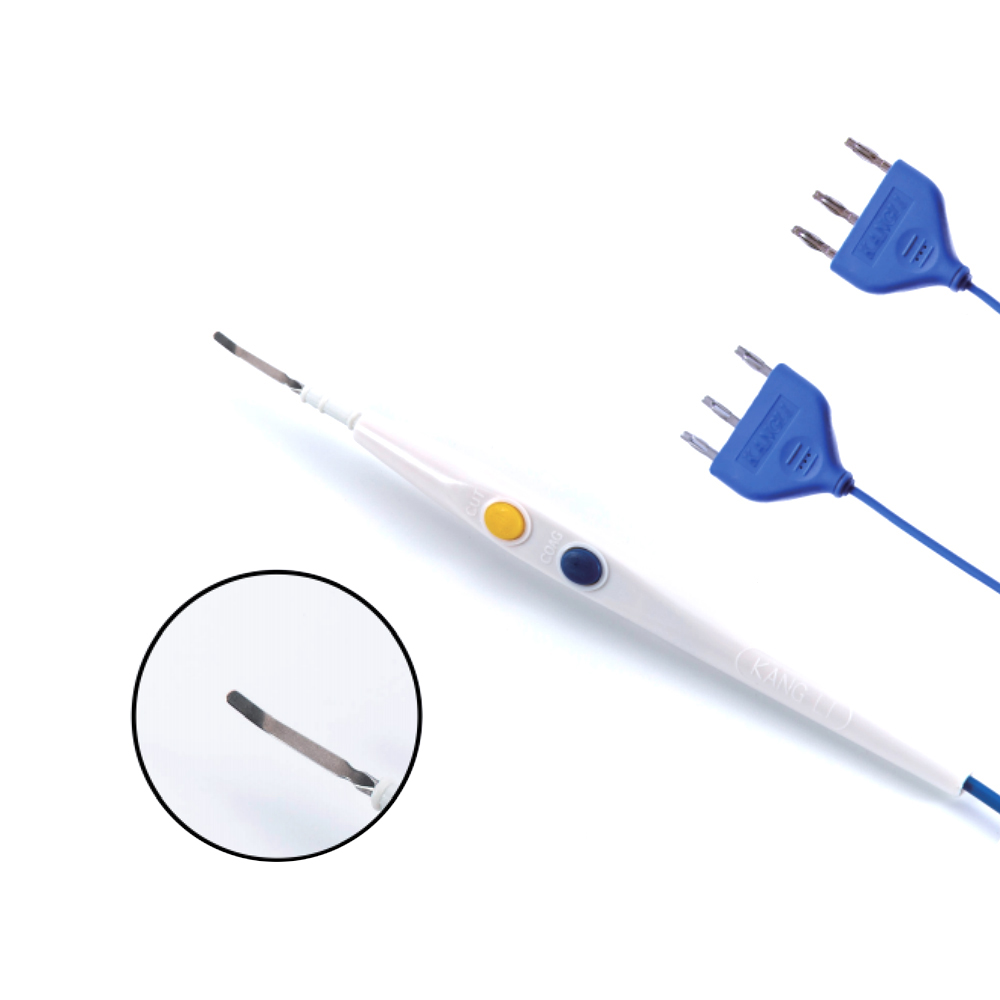
The structural differences among these electrode types directly influence their functionality. Electrosurgical Pencil Electrode generally features a slim, ergonomic handpiece that connects to a generator via a cable. It is commonly paired with interchangeable tips that support cutting or coagulation modes.
Electrosurgical Loop Electrode is designed with a loop-shaped conductive element that allows for controlled excision of tissue layers. The loop geometry enables uniform energy distribution along the cutting path, which can be advantageous in procedures requiring consistent depth or shape.
Electrosurgical Hook Electrode incorporates a curved or hooked end that assists in lifting, dissecting, or manipulating tissue. This design is particularly useful when precision access is required in areas where flat or linear contact may be less effective.
In clinical practice, Electrosurgical Pencil Electrode is widely used for general surgical tasks, including incision and hemostasis. Its versatility makes it suitable for a broad range of procedures across different specialties. Surgeons often rely on it for both cutting and coagulation by adjusting power settings.
Electrosurgical Loop Electrode is frequently associated with excisional procedures, where tissue needs to be removed in a controlled and reproducible manner. Its loop structure allows for consistent interaction with tissue, making it useful in applications that require defined margins.
Electrosurgical Hook Electrode is typically applied in scenarios where tissue must be gently engaged or repositioned. Its shape supports selective contact, which can be helpful in procedures that demand careful navigation around sensitive structures.
Proper setup and handling are essential for good performance. Electrosurgical Pencil Electrode should be securely connected to ensure stable energy transmission and reliable activation. Attention to cable integrity and connection points is important to avoid interruptions during use.
Electrosurgical Loop Electrode requires appropriate sizing and configuration to match the intended procedure. Selection of the correct loop dimensions contributes to procedural accuracy and helps maintain consistent outcomes.
Electrosurgical Hook Electrode should be visually inspected before use to ensure that its structure is intact and free from defects. Proper orientation during application is also important to maintain control and avoid unintended contact with surrounding tissue.
Safety is a fundamental aspect of electrosurgical practice. Electrosurgical Pencil Electrode must be used with controlled activation to prevent unintended energy delivery. Surgeons typically follow activation protocols that align with procedural requirements.
With Electrosurgical Loop Electrode, attention must be given to the geometry of the loop and its interaction with tissue. Improper positioning may affect the precision of the excision or alter the intended energy distribution.
Electrosurgical Hook Electrode requires careful manipulation to avoid excessive pressure or unintended engagement with tissue. Its design supports targeted application, but proper technique is necessary to maintain safe operation.
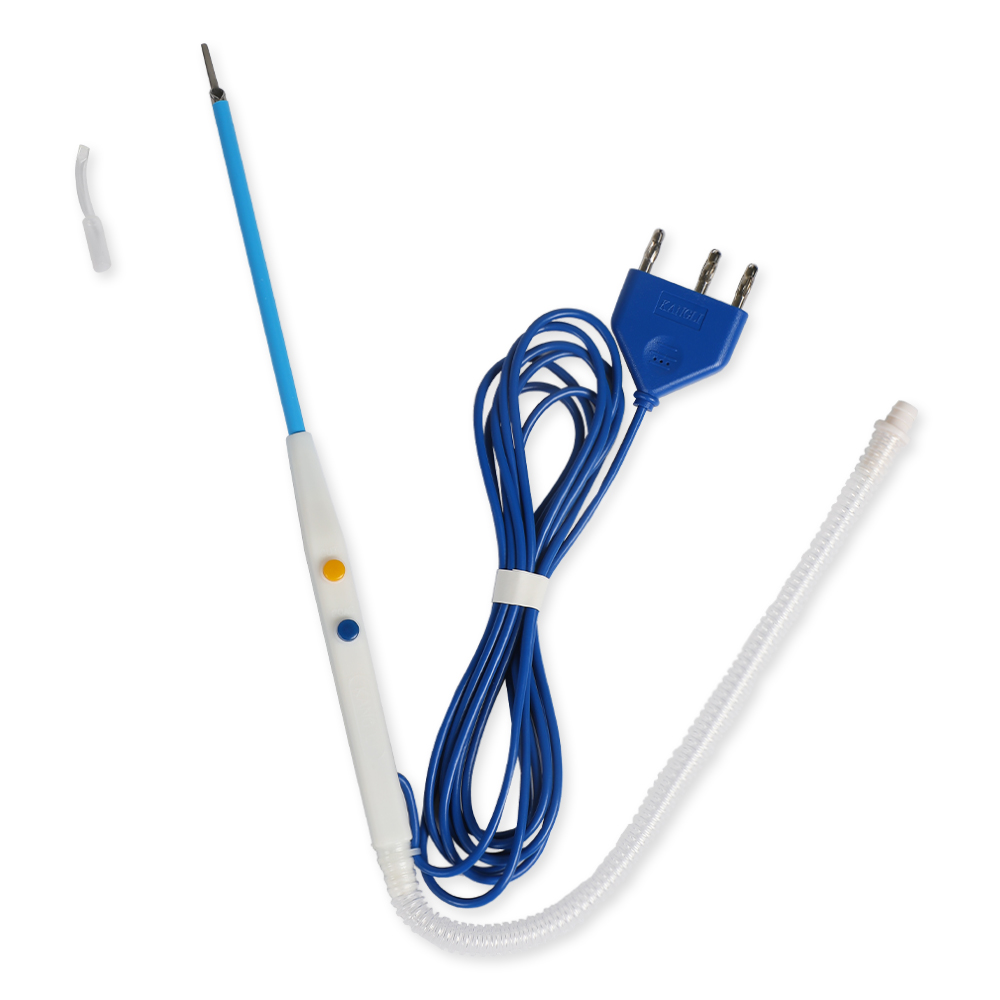
Choosing between Electrosurgical Pencil Electrode, Electrosurgical Loop Electrode, and Electrosurgical Hook Electrode depends on several factors, including the type of procedure, tissue characteristics, and surgeon preference. Each instrument offers distinct advantages depending on the surgical objective.
Electrosurgical Pencil Electrode is often selected for its versatility and ease of use across multiple procedures. Electrosurgical Loop Electrode is preferred when a defined excision pattern is required, while Electrosurgical Hook Electrode is suitable for tasks that involve precise engagement or manipulation of tissue.
In many clinical environments, the selection process also considers compatibility with electrosurgical generators and the specific requirements of the surgical setting. Training and familiarity with each instrument further influence the decision-making process.
Proper maintenance contributes to the longevity and reliability of electrosurgical instruments. Routine inspection of connectors, insulation, and structural components helps ensure consistent performance. Cleaning protocols should follow established medical guidelines to maintain hygiene and functionality.
For handheld instruments, careful handling is essential to prevent mechanical damage. Storage conditions should protect devices from environmental factors that could affect their integrity. Regular checks before and after procedures help identify potential issues early.
Effective use of electrosurgical instruments requires appropriate training and experience. Medical professionals are typically trained in energy delivery principles, instrument handling, and safety protocols. Familiarity with different electrode types allows clinicians to select suitable tool for each situation.
Simulation-based training and supervised practice can enhance understanding of how each electrode behaves under different conditions. This knowledge supports better procedural outcomes and contributes to overall patient safety.
While electrosurgical instruments provide significant advantages, they also require careful use to avoid complications. Factors such as improper energy settings, inadequate technique, or incorrect instrument selection may affect performance.
Each electrode type has inherent limitations based on its design. For example, certain configurations may not be ideal for all tissue types or procedural environments. Understanding these limitations helps clinicians make informed decisions and adapt their approach accordingly.
Electrosurgical instruments are typically integrated into broader surgical workflows that include monitoring, grounding, and auxiliary equipment. Coordination between components ensures efficient energy delivery and minimizes risks.
The choice of electrode type often aligns with the procedural stage, allowing surgeons to transition between cutting, coagulation, and tissue manipulation as needed. Proper integration enhances workflow efficiency and supports consistent surgical outcomes.
Electrosurgical technologies continue to play a vital role in modern medical procedures, offering controlled and efficient methods for tissue management. Instruments such as Electrosurgical Pencil Electrode, Electrosurgical Loop Electrode, and Electrosurgical Hook Electrode each provide unique advantages tailored to specific surgical needs.
Understanding their design, applications, and operational considerations enables healthcare professionals to apply them effectively within clinical settings. By selecting the appropriate instrument and adhering to proper usage and safety protocols, surgical teams can achieve reliable performance while maintaining high standards of patient care.
Lishui Kangli
Medical Devices
+86 153 0688 8169
2nd Floor, Building 1, 769 Kaiyuan Road, Bihu Town, Liandu District, Lishui City, Zhejiang Province, China
Contact Us
 English
 русский
 Français
 Español
 Deutsch
 عربى
عربى

