
Content
You're in the middle of a procedure. You need a clean cut, precise control, and small tissue damage. A regular stainless steel blade works, but it dulls. It drags. It doesn't hold an edge the way you need it to. That's where a sharp head tungsten metal electrosurgical blade comes in. Tungsten keeps its edge longer, handles higher temperatures, and cuts cleaner than stainless. Surgeons who use them don't go back.
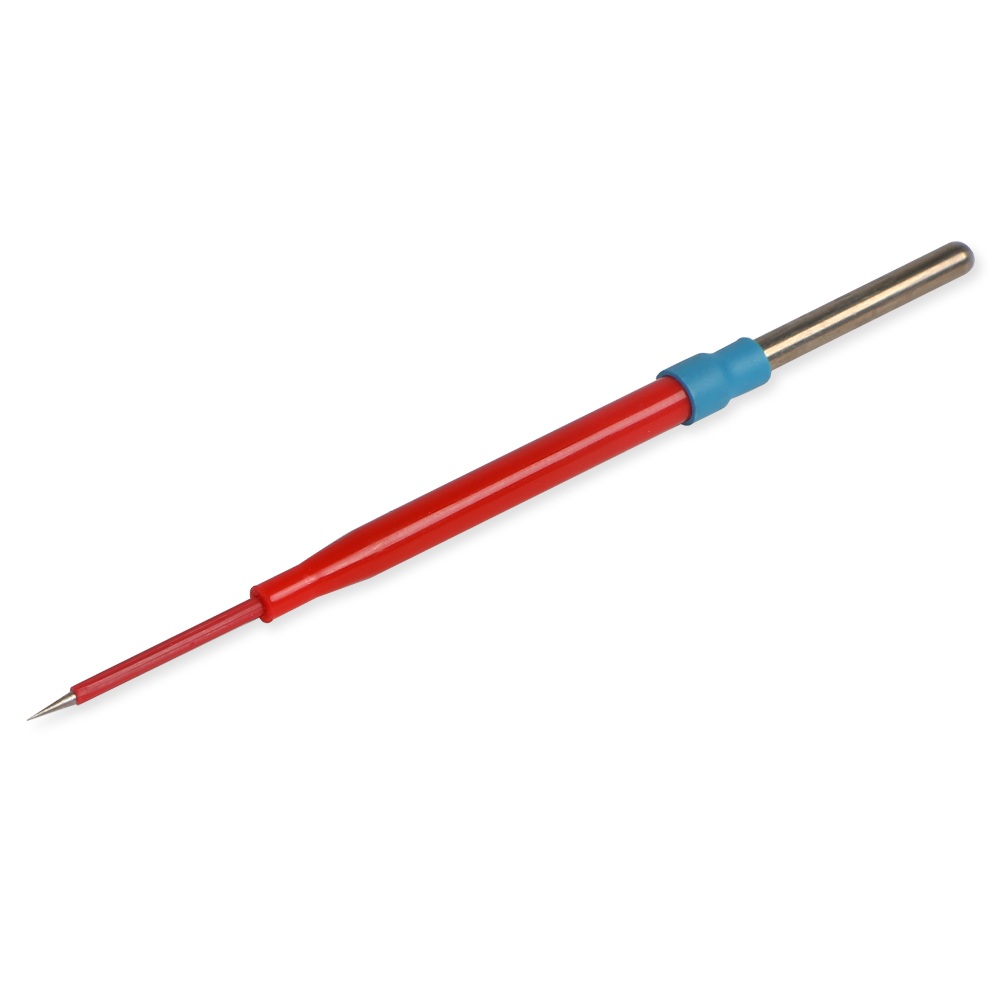
Tungsten holds its edge longer
Stainless steel blades dull during use. Tungsten doesn't. A sharp head tungsten metal electrosurgical blade stays sharp through longer procedures. The surgeon doesn't have to change blades mid-surgery. That continuity matters when you're in the middle of a delicate dissection.
Tungsten handles higher temperatures without deforming
Electrosurgery generates significant heat. Stainless steel can lose its shape under high temperatures. Tungsten holds its geometry. A sharp head tungsten metal electrosurgical blade maintains its sharp edge even when you're working at higher power settings.
Tungsten produces cleaner cuts with less tissue damage
The sharper edge means less resistance. A sharp head tungsten metal electrosurgical blade glides through tissue instead of dragging. Cleaner cuts mean less thermal spread. Less thermal spread means faster healing. That's not just theory—it's visible in patient outcomes.
Pure tungsten or tungsten alloy
The blade itself is the critical component. A sharp head tungsten metal electrosurgical blade is made from high-purity tungsten or a consistent tungsten alloy. The material gives the blade its hardness and heat resistance. Cheap tungsten blends don't perform the same.
The sharp head geometry
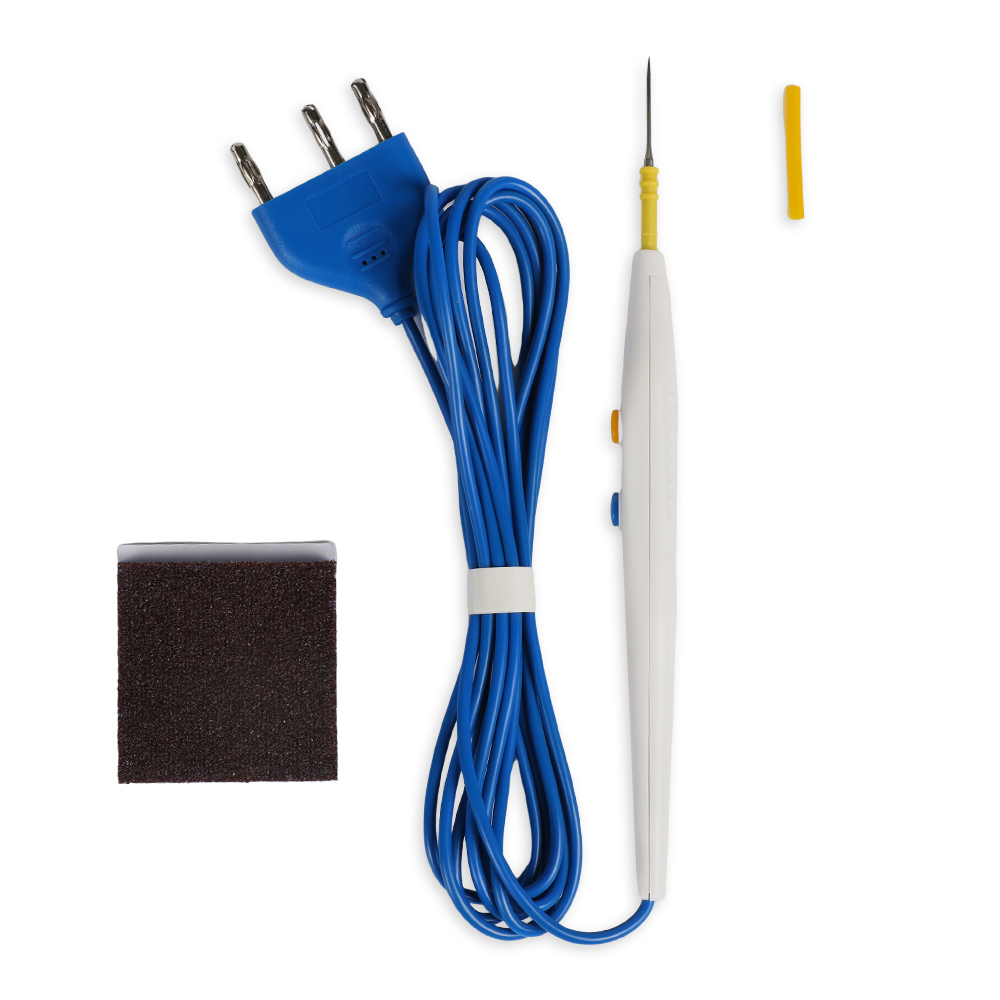
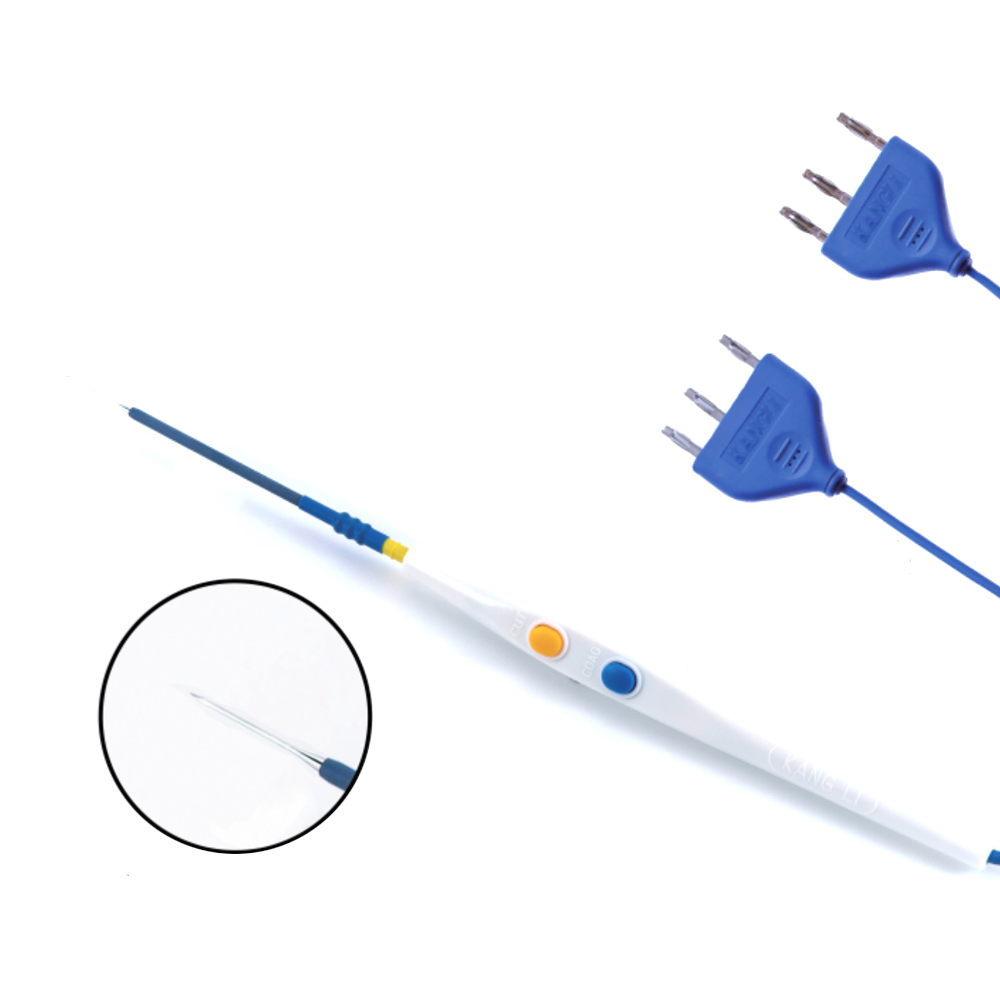
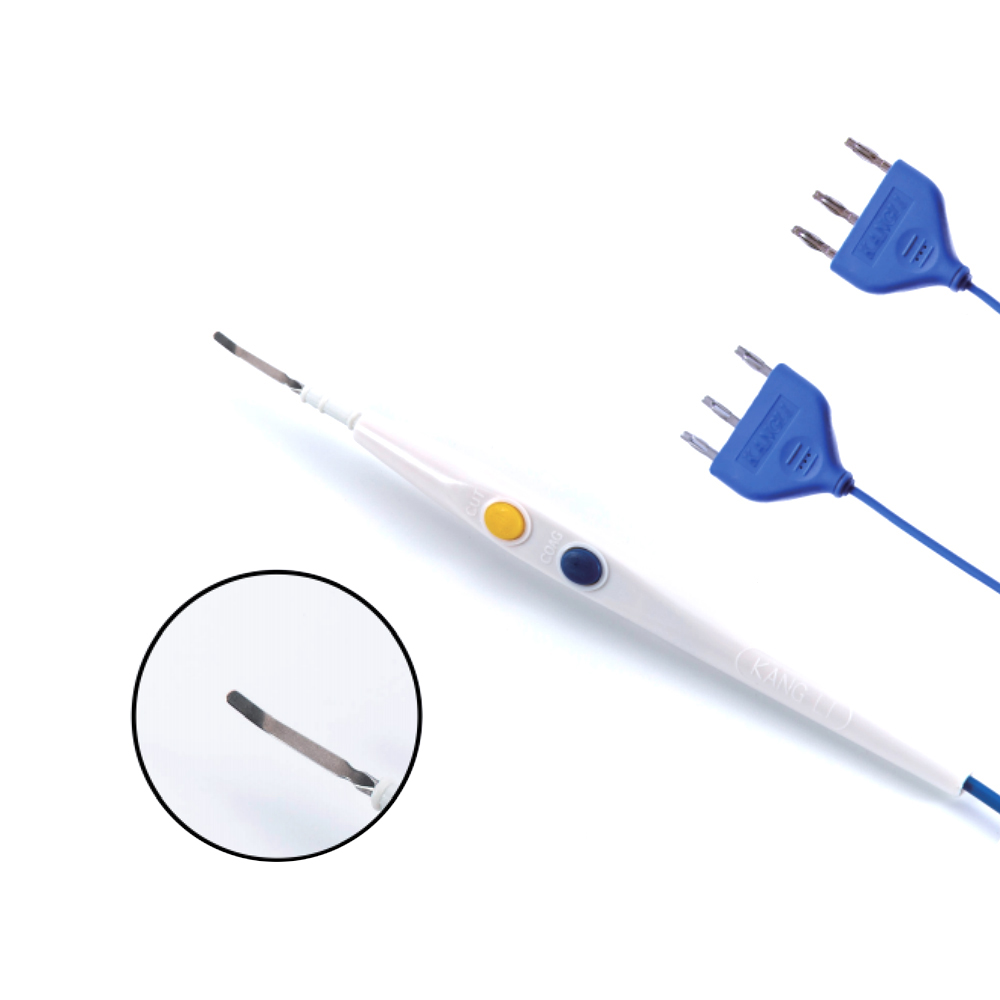
This is what makes it different from other electrodes. A sharp head tungsten metal electrosurgical blade is ground to a knife-like edge with a pointed tip. That shape allows precise dissection, not just cutting. The surgeon can separate tissue layers with control.
Insulation that directs current to the tip
The shaft is coated with PTFE or medical-grade polymer. A sharp head tungsten metal electrosurgical blade directs the current exactly where it's needed—at the cutting edge. Surrounding tissue stays protected. No stray burns.
Common specs for sharp head tungsten metal electrosurgical blades:
General and laparoscopic surgery
Dissection requires precision. A sharp head tungsten metal electrosurgical blade gives the surgeon the sharpness needed to separate tissue layers cleanly. The blade doesn't drag or tear. The procedure proceeds smoothly.
Plastic and reconstructive surgery
Delicate tissue demands a fine touch. A sharp head tungsten metal electrosurgical blade allows the surgeon to make precise incisions with small trauma. Less damage means less scarring. Better cosmetic outcomes.
ENT and head and neck surgery
Tight spaces and delicate structures. A sharp head tungsten metal electrosurgical blade doesn't bend or dull when you're working in confined areas. The surgeon maintains control throughout the procedure.
Neurosurgery
You can't afford to compromise on precision. A sharp head tungsten metal electrosurgical blade lets the surgeon work around nerves and blood vessels with confidence. The blade stays sharp through the entire procedure.
Blade sharpness
If it drags, it's not sharp enough. A sharp head tungsten metal electrosurgical blade should have a consistent, fine edge. Surgeons can feel the difference when they cut with a properly sharpened blade.
Tungsten purity
Impurities affect performance. A sharp head tungsten metal electrosurgical blade should be made from high-purity tungsten or a consistent alloy. The material dictates how well it holds an edge and handles heat.
Insulation integrity
A pinhole in the insulation can cause a stray burn. A sharp head tungsten metal electrosurgical blade manufacturer should test every blade for insulation defects before it's packaged.
Sterility assurance
The blade is used inside the patient. A sharp head tungsten metal electrosurgical blade should be sterile, and the packaging should clearly indicate the sterilization method. Gamma or ethylene oxide are standard.
Compatibility
The blade has to fit the pencil. A sharp head tungsten metal electrosurgical blade should clearly state which generators or pencils it works with. Mismatched connections fail in the OR.
A sharp head tungsten metal electrosurgical blade is a small tool that makes a big difference. The tungsten stays sharp, handles the heat, and cuts clean. The surgeon doesn't have to think about the blade—they just work. That's the point. A tool that disappears into the procedure and lets the surgeon focus on the patient.
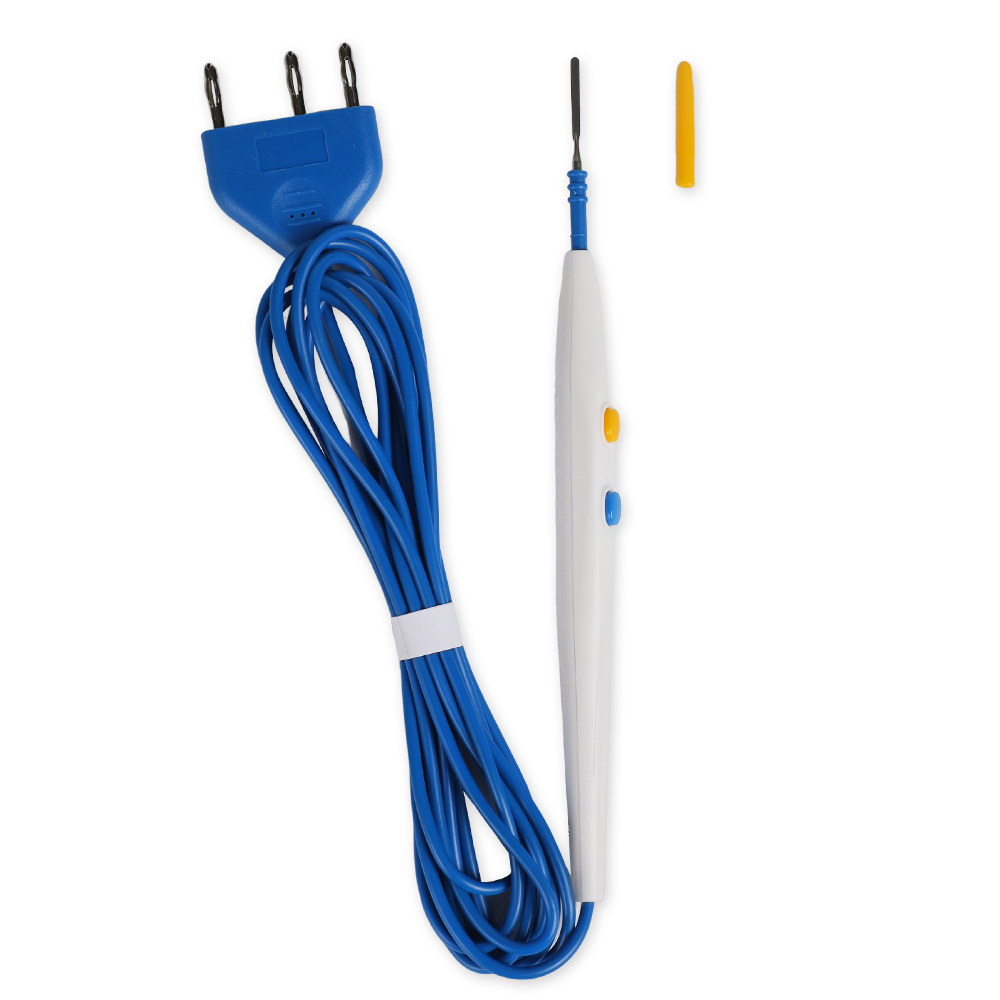
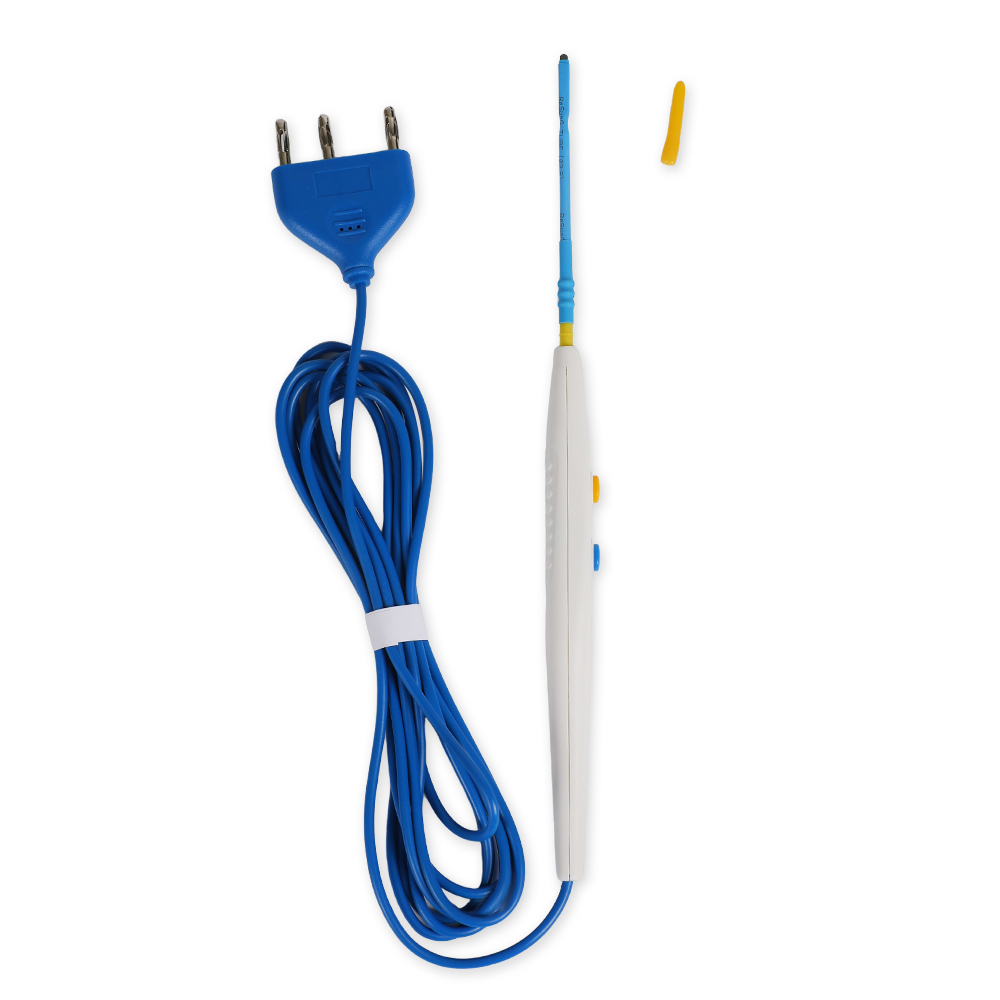
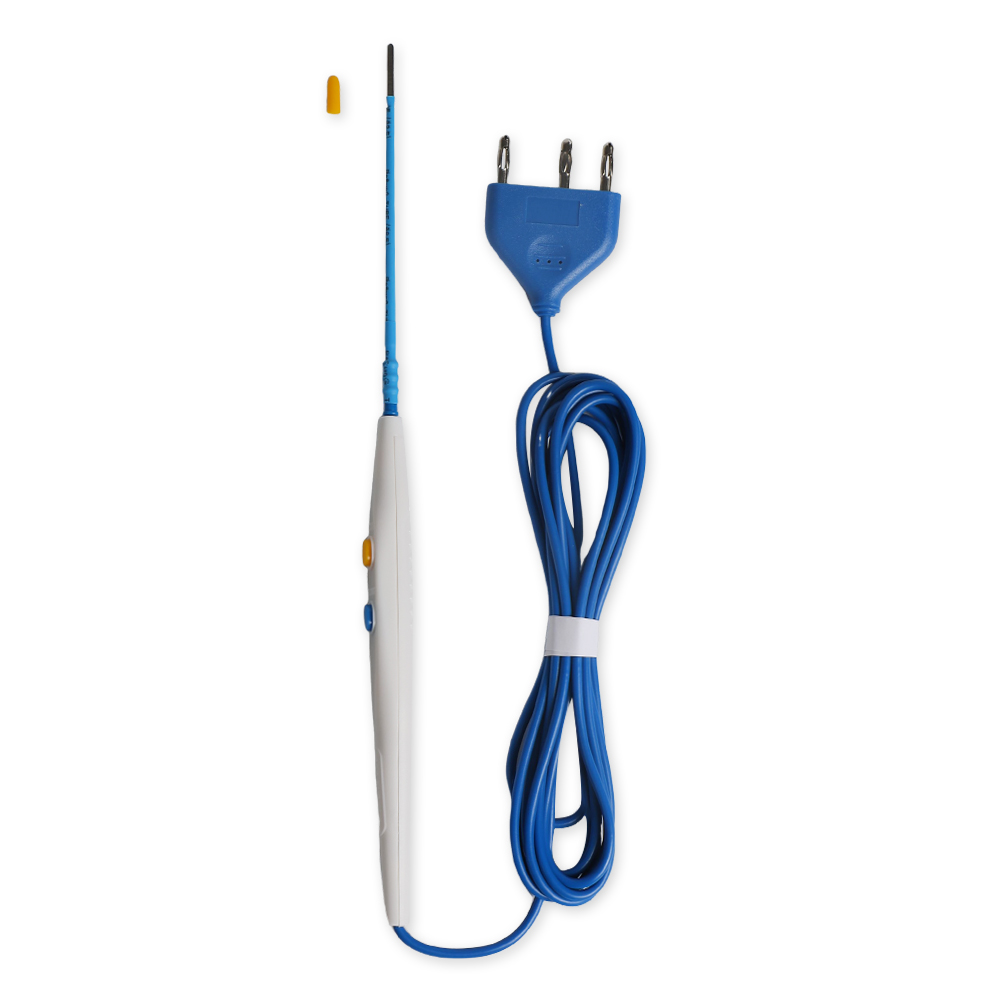
Lishui Kangli
Medical Devices
+86 153 0688 8169
2nd Floor, Building 1, 769 Kaiyuan Road, Bihu Town, Liandu District, Lishui City, Zhejiang Province, China
Contact Us
 English
 русский
 Français
 Español
 Deutsch
 عربى
عربى

