
Content
Rehabilitation medicine increasingly relies on electrical stimulation for pain management and muscle recovery. Orthopedic clinics. Sports medicine facilities. Geriatric care. Physical therapy centers. Without reliable electrodes, therapeutic outcomes are compromised. A physical therapy electrode delivers the electrical interface required for neuromuscular stimulation. It provides consistent current distribution across the treatment area. It ensures strong adhesion during therapy sessions. It makes rehabilitation more effective and patient comfort higher.
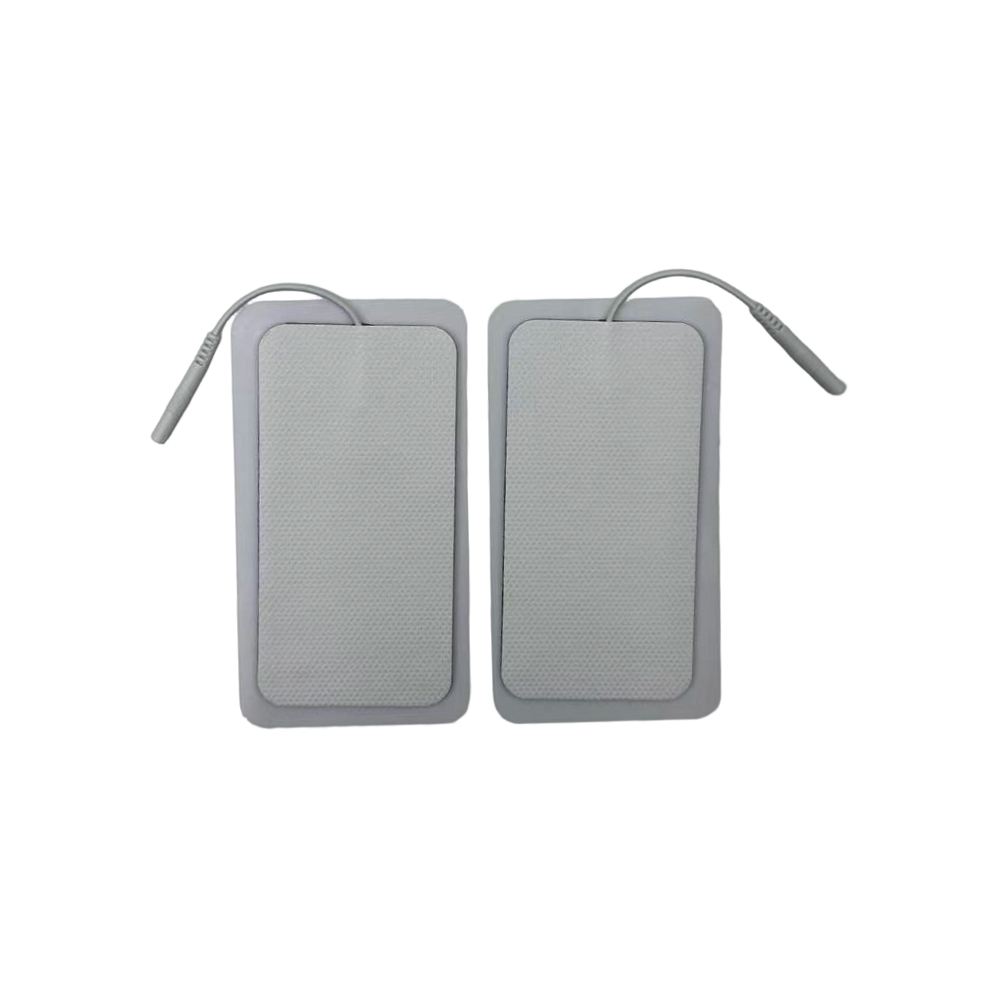
The electrode conducts electrical current from the stimulator to the patient's skin
The stimulator generates the therapeutic signal. A physical therapy electrode transfers this current through a conductive layer to the treatment site. The interface is uniform. The current density is consistent. The nerve response is achieved.
The electrode disperses current evenly across the treatment area
Uneven current distribution causes hot spots and discomfort. A physical therapy electrode is designed with a uniform conductive layer that distributes the current evenly. The treatment is comfortable. The patient is compliant. The therapy is effective.
The electrode maintains stable electrical impedance during the session
Impedance changes affect treatment quality. A physical therapy electrode uses materials that maintain consistent resistance throughout the treatment. The signal remains stable. The intended stimulation is delivered. The clinical outcome is achieved.
The conductive material ensures uniform current delivery
The conductive layer is the active interface. A physical therapy electrode uses carbon-rubber, silver-plated fabric, or hydrogel as the conductive medium. The material delivers consistent current. The treatment is effective. The patient is comfortable.
The adhesive layer keeps the electrode in place during movement
Patients move during therapy. A physical therapy electrode features medical-grade adhesive that secures the electrode to the skin. The electrode stays in position. The treatment continues uninterrupted. The patient completes the session.
The lead connection provides secure attachment to the stimulator cable
Cable attachments must be reliable. A physical therapy electrode has a lead connector that mates securely with the stimulator lead wire. The connection is stable. The electrical signal is maintained. The treatment is consistent.
Typical specifications for physical therapy electrodes:
Pain management
Electrical stimulation blocks pain signals. A physical therapy electrode is applied to the affected area. The current is delivered. The pain is reduced. The patient experiences relief.
Muscle strengthening and re-education
Injured muscles require stimulation to maintain function. A physical therapy electrode is placed over the target muscle group. The current causes muscle contraction. The muscle is exercised. The strength is regained.
Reducing edema and promoting circulation
Electrical stimulation can improve blood flow. A physical therapy electrode is positioned over the affected area. The current promotes vasodilation. The swelling is reduced. The healing is accelerated.
TENS for chronic pain
TENS is a standard pain management approach. A physical therapy electrode is used to deliver TENS signals. The electrode is placed near the pain site. The patient controls the intensity. The pain is managed.
Biocompatibility must be confirmed for prolonged skin contact
Skin contact occurs during every session. A physical therapy electrode should be manufactured from materials that have passed ISO 10993 testing. The electrode is skin-safe. The patient is protected. The treatment is safe.
Adhesive performance must match the treatment duration
Longer sessions require stronger adhesion. A physical therapy electrode should maintain its bond for the entire treatment period. The electrode stays in place. The therapy is completed. The patient does not adjust the electrode.
Impedance stability affects the consistency of the treatment
Impedance variations disrupt the signal. A physical therapy electrode should be tested for impedance performance. The signal remains stable. The treatment is reliable. The outcome is predictable.
Storage conditions affect electrode performance
Electrodes have limited shelf life and environmental sensitivity. A physical therapy electrode should be stored in a cool, dry place away from direct sunlight. The conductive gel stays hydrated. The electrode performs as designed.
A physical therapy electrode is the critical interface between the stimulator and the patient. But it determines whether the prescribed therapy achieves its intended effect or falls short. It decides whether the patient completes the full treatment course or discontinues due to discomfort. Choose electrodes with uniform conductivity, reliable adhesion, skin-safe materials, and documented impedance performance. Your patients will benefit. Your therapy sessions will be effective. That is the purpose of a physical therapy electrode. To deliver consistent, comfortable electrical stimulation for ideal clinical outcomes.
Lishui Kangli
Medical Devices
+86 153 0688 8169
2nd Floor, Building 1, 769 Kaiyuan Road, Bihu Town, Liandu District, Lishui City, Zhejiang Province, China
Contact Us
 English
 русский
 Français
 Español
 Deutsch
 عربى
عربى

