
Content
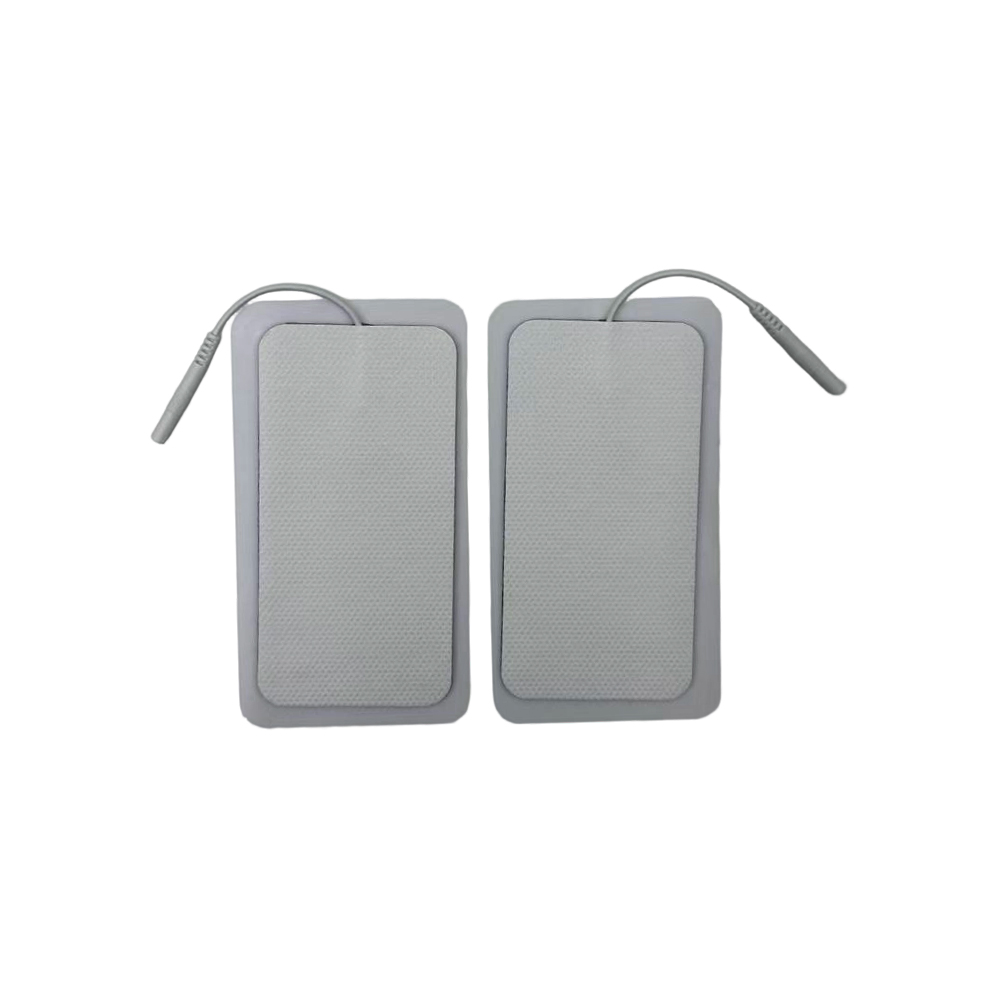
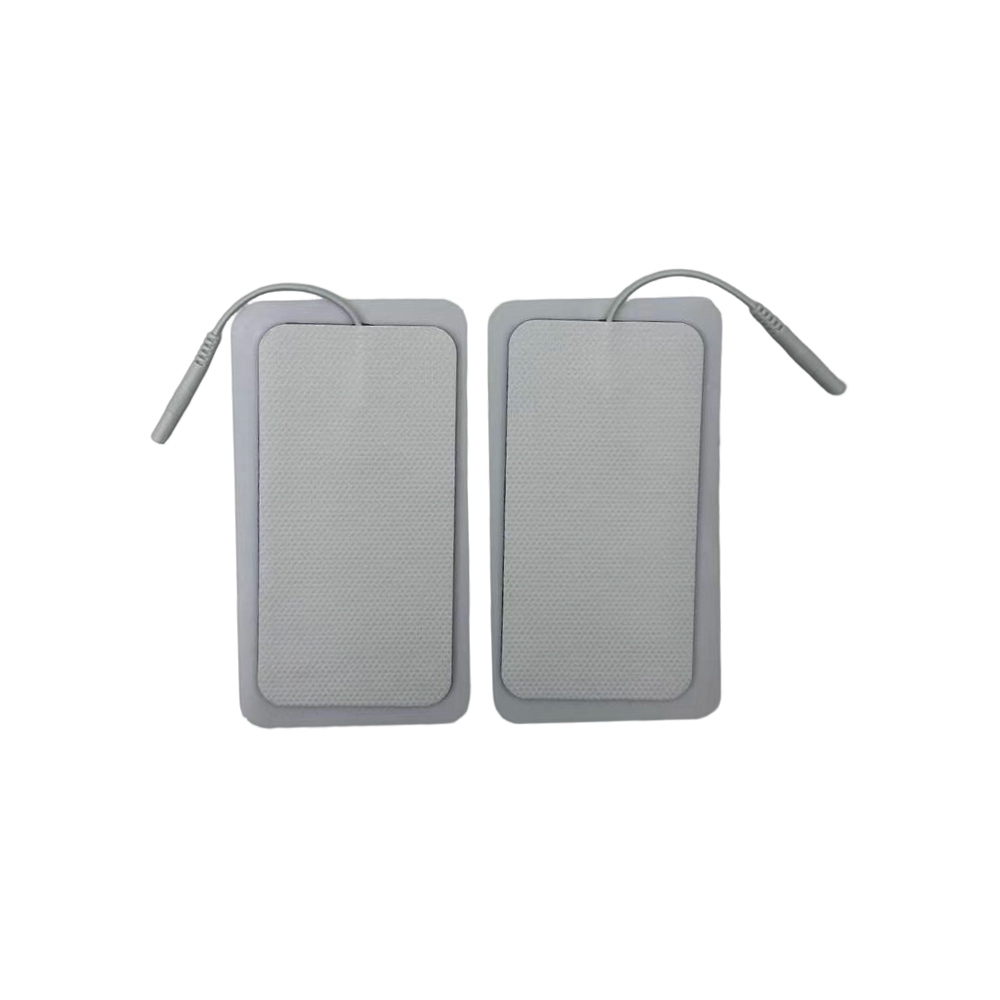
A Physical Therapy Electrode goes through a full day in a busy clinic. It is applied to a patient's skin, connected to a stimulator, used for 20 to 30 minutes, removed, and discarded or reapplied. Between patients, it is wiped, stored, or replaced. The electrode has to survive that cycle several times a day without losing adhesion or conductivity.
The electrode must adhere to dry morning skin
Skin is driest in the morning. A Physical Therapy Electrode that relies on moisture to bond may not stick first thing in the day. The therapist cleans the skin with an alcohol wipe before applying the electrode. The electrode adheres to the clean, dry surface.
The electrode must not leave residue on the skin
A residue left on the skin becomes a complaint. A Physical Therapy Electrode with a gentle adhesive removes cleanly after the session. The therapist checks the skin after removal and notes any irritation.
The lead wire must reach the stimulator without pulling the electrode
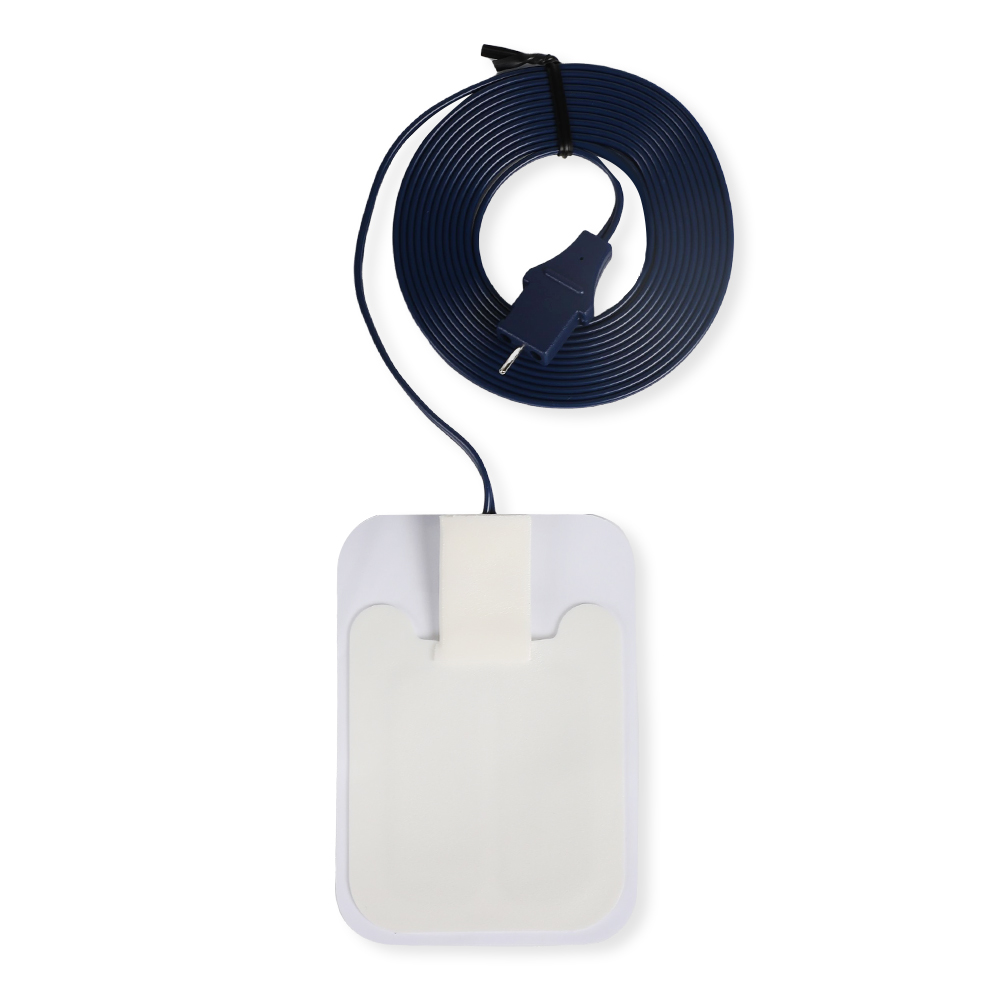
The lead wire is connected before the session starts. A Physical Therapy Electrode with a secure lead connector stays in place when the patient moves. A loose connector pulls the electrode off the skin.
The electrode must hold through sweat and movement
Physical therapy involves exercise and movement. A Physical Therapy Electrode that loses adhesion when the patient sweats will not stay in place. The therapist uses a tape or a wrap over the electrode when the patient is active.
The electrode must be repositioned without losing conductivity
The therapist may move the electrode during the session. A Physical Therapy Electrode that is repositioned must still conduct current evenly. A repositioned electrode that has lost its gel layer conducts unevenly and causes hot spots.
The stimulator settings must be adjusted after repositioning
Moving the electrode changes the current path. A Physical Therapy Electrode that is repositioned requires a check of the stimulator settings. The therapist adjusts the intensity after the electrode is moved.
Common specs confirmed at this stage:
The adhesive must be gentle on sensitive skin
Some patients react to adhesive. A Physical Therapy Electrode with a hydrogel adhesive is gentler than a rubber-based adhesive. The therapist tests a small area before applying the electrode to the full treatment area.
The electrode must not overheat on sensitive skin
High current density causes heat. A Physical Therapy Electrode that is too small for the treatment area concentrates the current and overheats. The therapist selects an electrode size that covers the treatment area.
The electrode must be removed slowly to avoid skin damage
Pulling an electrode off quickly damages the skin. A Physical Therapy Electrode with a gentle adhesive is removed slowly, with the skin held taut. The therapist removes the electrode in the direction of hair growth.
Reusable electrodes must be cleaned and stored correctly
A reusable Physical Therapy Electrode is cleaned with a mild solution and stored in a sealed bag. The electrode must not dry out. The therapist checks the electrode before the next day.
Single-use electrodes are discarded after each patient
A single-use Physical Therapy Electrode is discarded after the session. The electrode goes into the regular waste, not the sharps container. The therapist does not attempt to reuse the electrode.
The electrode inventory must be checked at the end of the day
The clinic needs enough electrodes for the next day. The therapist checks the inventory and orders more when the stock is low. A Physical Therapy Electrode shortage disrupts the schedule.
A good electrode feels the same on every visit
Repeat patients notice when the electrode feels different. A Physical Therapy Electrode that is consistent in adhesion and conductivity keeps the patient comfortable. The therapist does not have to adjust the stimulator every visit.
A poor electrode causes discomfort and delays treatment
A poor Physical Therapy Electrode that does not adhere or conducts unevenly causes discomfort. The therapist stops the session and replaces the electrode. The schedule is delayed.
The electrode choice affects the clinic's reputation
Patients judge the clinic by the experience. A Physical Therapy Electrode that is comfortable and effective contributes to the patient's perception of the clinic. The therapist selects the electrode with the patient in mind.
Lishui Kangli
Medical Devices
+86 153 0688 8169
2nd Floor, Building 1, 769 Kaiyuan Road, Bihu Town, Liandu District, Lishui City, Zhejiang Province, China
Contact Us
 English
 русский
 Français
 Español
 Deutsch
 عربى

