
Content
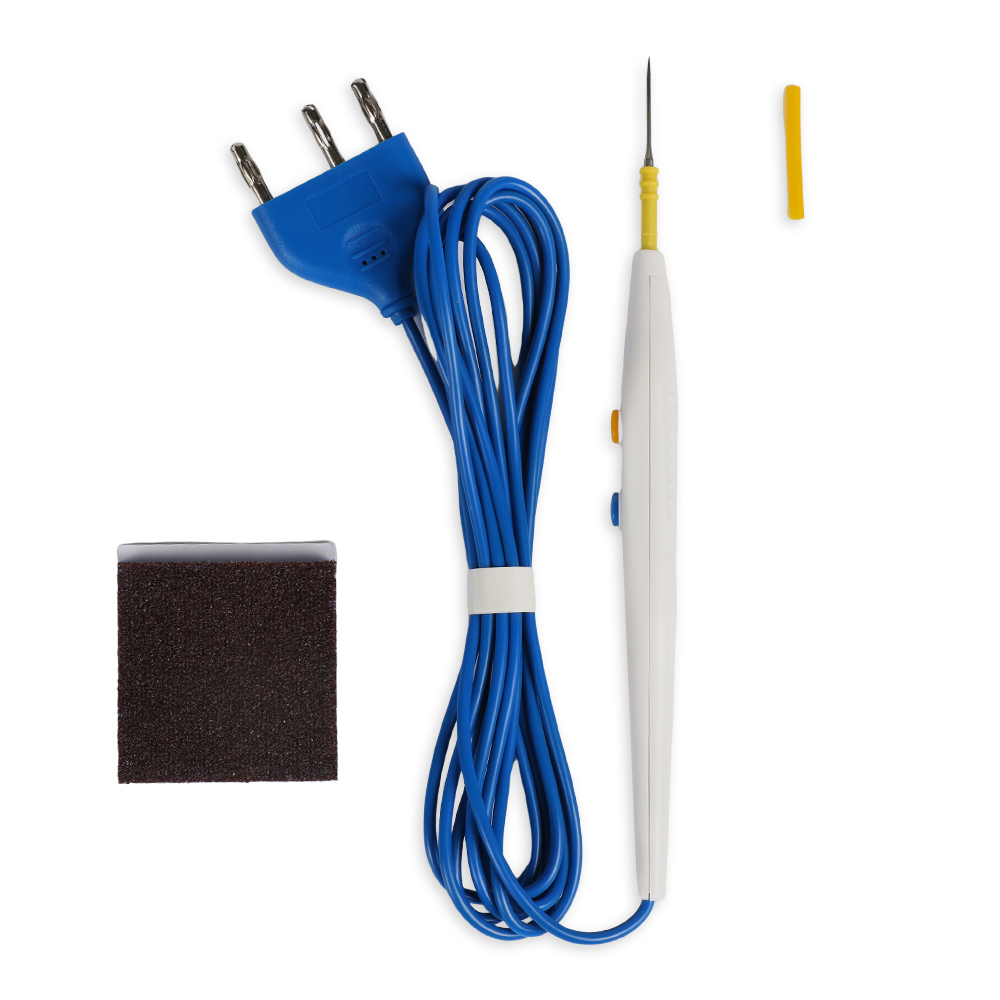
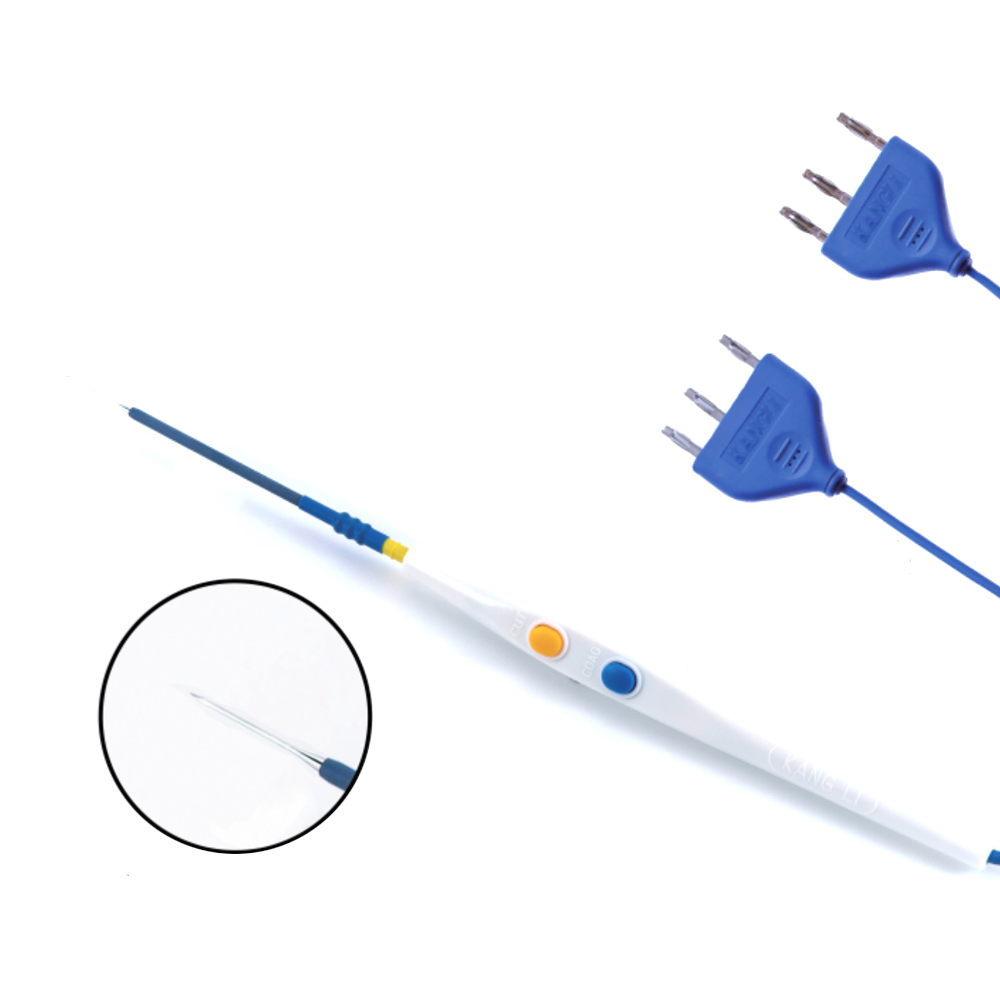
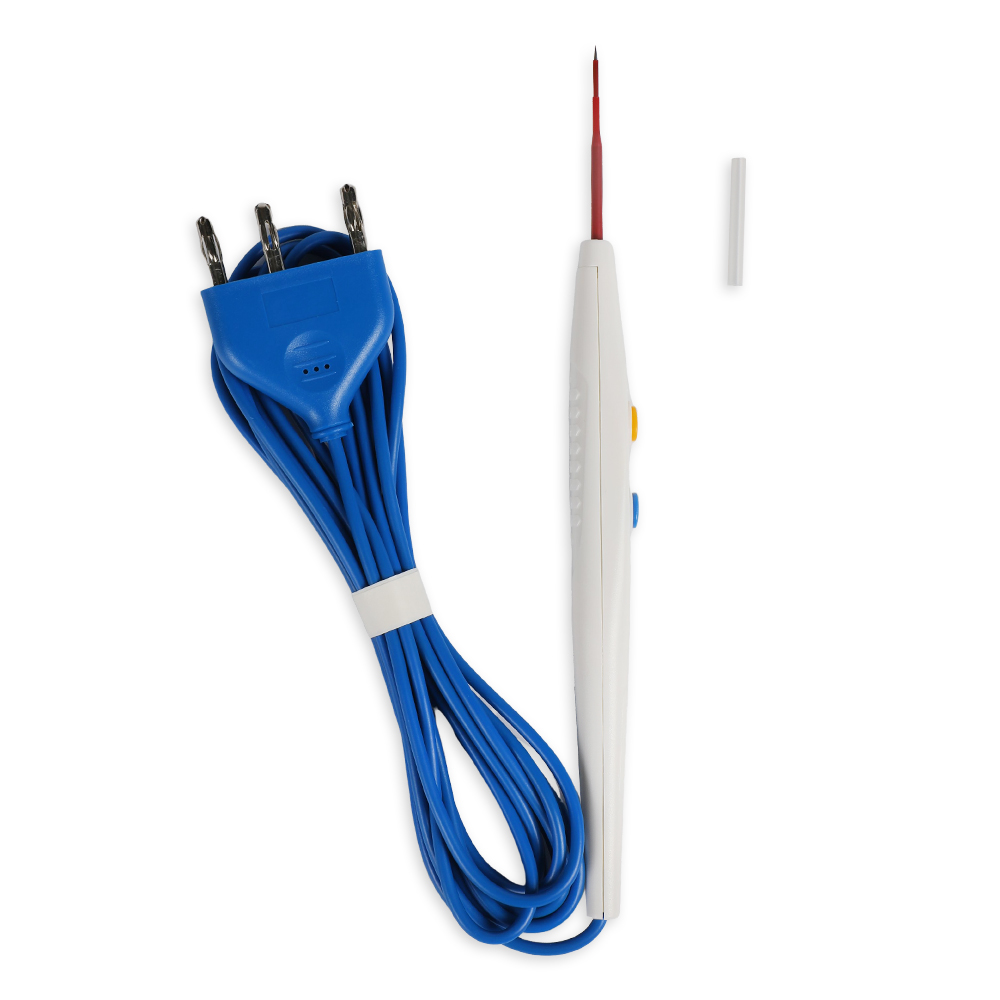
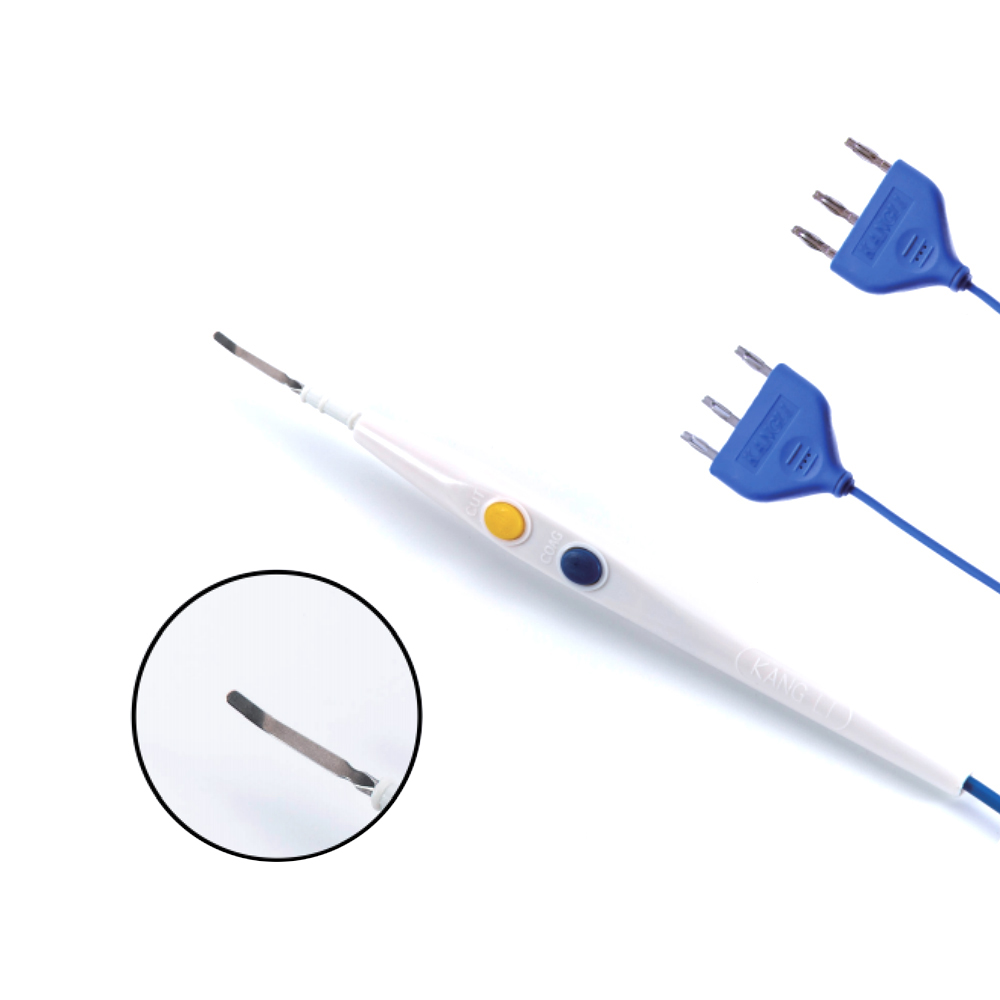
Watch any laparoscopic or open surgical procedure. The surgeon needs to cut, coagulate, and dissect tissue in tight spaces where straight instruments simply don't fit. That's where the hook comes in—a right-angled electrode tip that reaches around corners and pulls tissue into the active zone. Behind every reliable disposable hook tip stands a hook-type electrosurgical electrode factory, a facility that forms, insulates, and tests these specialty electrodes for operating rooms worldwide.
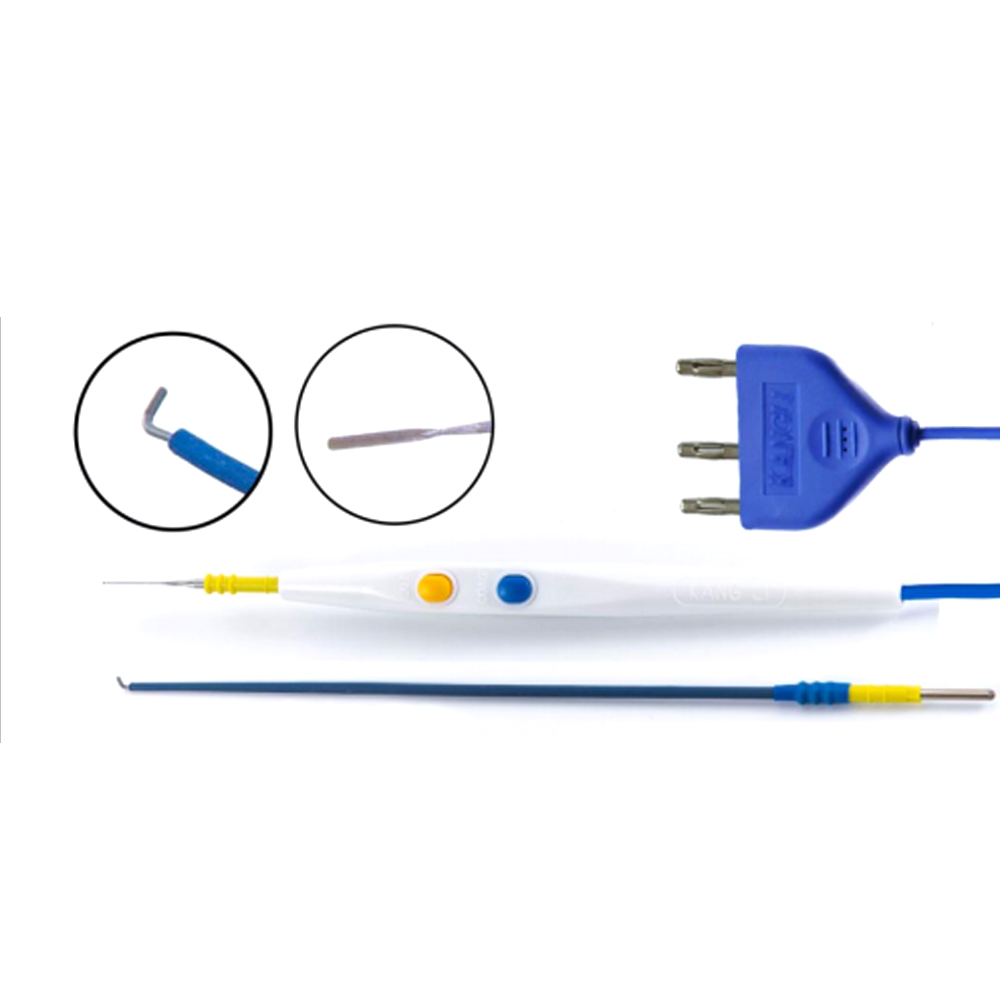
It reaches behind structures without blind manipulation
Straight electrodes require the surgeon to approach tissue head-on. In crowded surgical fields—pelvis, retroperitoneum, or under the liver—that approach is often impossible. The hook's bend lets the surgeon work behind a vessel or organ while looking directly at the tip. A hook-type electrosurgical electrode factory designs the angle so the active surface faces the surgeon, not the underlying structures.
It lifts tissue before cutting
The hook can slide under a duct or vessel, lift it away from deeper structures, then activate current. This "traction without tension" reduces the risk of accidental injury to adjacent nerves or arteries. A hook-type electrosurgical electrode factory shapes the inner curve to hold tissue securely during elevation.
Heat-forming and mandrel bending
Hook tips start as straight stainless steel or tungsten wire. The wire is heated to a precise temperature, bent around a mandrel to the required angle, then cooled gradually. A hook-type electrosurgical electrode factory that rushes cooling creates micro-fractures that fail under surgical pressure. The correct method yields a hook that springs back to shape after slight deformation.
Grinding the active edge
The cutting efficiency of a hook depends entirely on its edge. The inner curve is ground or electrochemically sharpened while the outer curve remains smooth for blunt dissection. A hook-type electrosurgical electrode factory uses diamond or ceramic wheels to achieve the edge. Too sharp and the hook digs and tears; too blunt and it fails to initiate cutting without pressure.
Laparoscopic cholecystectomy (gallbladder removal)
The critical view of safety requires exposing the cystic duct and artery. The hook is the standard tool for this dissection—it slides under the duct, lifts it, and coagulates before cutting. A hook-type electrosurgical electrode factory supplies these in sterile pouches with extended shafts that pass through 5mm trocars.
Deep pelvic dissections in gynecology
Hysterectomies and ovarian procedures take place in a confined bowl of bone and muscle. Straight electrodes cannot reach the posterior cul-de-sac or the uterosacral ligaments. The hook's right angle lets the surgeon work around the cervix and vaginal cuff. A hook-type electrosurgical electrode factory offers smaller hook profiles with 2mm exposed tips for this delicate work.
Thoracic and vascular access procedures
In chest surgery, the hook is used to dissect around the esophagus, mobilize the lung, and skeletonize vessels. The narrow, angled tip fits between ribs and around the aorta. A hook-type electrosurgical electrode factory provides tungsten hooks for these cases because tungsten holds its shape better under high current.
Sharp hooks for precise cutting and vessel division
The inner edge is honed to a razor-like finish. Used when the surgeon needs to cut through thin tissue or divide a pedicle cleanly. A hook-type electrosurgical electrode factory exposes 2mm to 3mm of bare metal for these. The current concentrates at the sharp edge, creating a fine cutting arc.
Blunt hooks for spreading and tissue plane development
The tip is rounded and the inner curve is smooth. Used for blunt dissection—pushing through areolar tissue, separating adhesions, and exposing structures. The current still coagulates small bleeders, but the primary action is mechanical. A hook-type electrosurgical electrode factory leaves 4mm to 6mm exposed for these wider applications.
Angle accuracy and reproducibility
Surgeons expect a 90-degree hook to behave predictably. A variation of 5 degrees changes the wrist position required. A reliable hook-type electrosurgical electrode factory uses optical comparators to verify every batch.
Insulation that goes right to the tip
The PTFE or silicone coating must stop precisely at the edge of the exposed hook. Over-insulation covers active area; under-insulation exposes shaft and risks burns. The ideal factories use laser trimming to achieve a clean boundary.
Shank rigidity and handle attachment
A hook that bends during use is useless. The wire gauge and metal grade must withstand the surgeon's pressure without permanent deformation. A good hook-type electrosurgical electrode factory tests shank deflection and pull strength on every lot.
Sterile packaging and lot traceability
Each hook is packaged individually and sterilized by ETO or gamma. The factory maintains records linking every batch to materials, forming parameters, and testing results. In surgery, traceability is not optional.
A hook-type electrosurgical electrode factory produces the angled tool that gives surgeons access to impossible spaces. The good ones master the forming process, grind consistent edges, and seal insulation with precision. They offer sharp hooks for cutting, blunt hooks for spreading, and tungsten options for heavy-duty work. The result is an electrode that reaches, lifts, cuts, and coagulates exactly as intended. Choose a factory that understands the hook isn't just a bent wire—it's a surgical maneuver made metal.
Lishui Kangli
Medical Devices
+86 153 0688 8169
2nd Floor, Building 1, 769 Kaiyuan Road, Bihu Town, Liandu District, Lishui City, Zhejiang Province, China
Contact Us
 English
 русский
 Français
 Español
 Deutsch
 عربى
عربى

