
Content
You're in an operating room. The surgeon needs to make a precise cut, in a tight spot, with small bleeding. A hook-type electrosurgical electrode is the tool for that job. It's a thin, hooked wire that delivers high-frequency current, cutting tissue and sealing blood vessels at the same time. A hook-type electrosurgical electrode manufacturer produces these specialized instruments with a focus on precision, durability, and safety. Without a reliable electrode, the surgery doesn't go as planned.
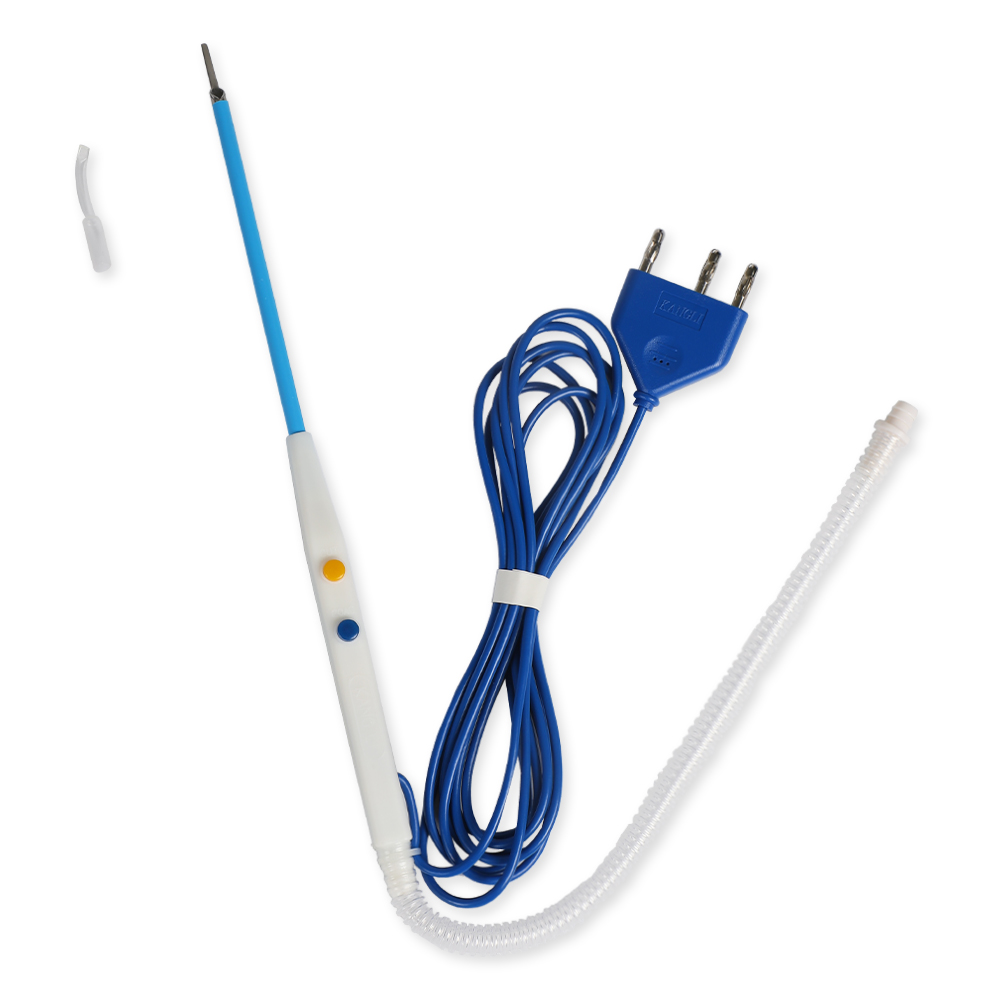
The hooked tip allows access to tight spaces
Straight electrodes are fine for open areas. But surgery often involves tricky angles and confined spaces. A hook-type electrosurgical electrode has a curved or angled tip that reaches where straight electrodes can't. The hook design also lets the surgeon pull tissue into position for a clean cut.
They cut and coagulate at the same time
Electrosurgery works by delivering high-frequency current through the electrode. A hook-type electrosurgical electrode manufacturer designs the tip to concentrate the current at the point of contact. The tissue is cut cleanly, and the blood vessels are sealed instantly. Less bleeding, less mess, faster surgery.
They come in different shapes for different procedures
Not all hooks are the same. Some have a sharp point for fine work. Others have a blunt tip for less aggressive dissection. Some are angled left, some right. A hook-type electrosurgical electrode manufacturer offers a range of configurations to match the surgeon's preference and the specific procedure.
The wire
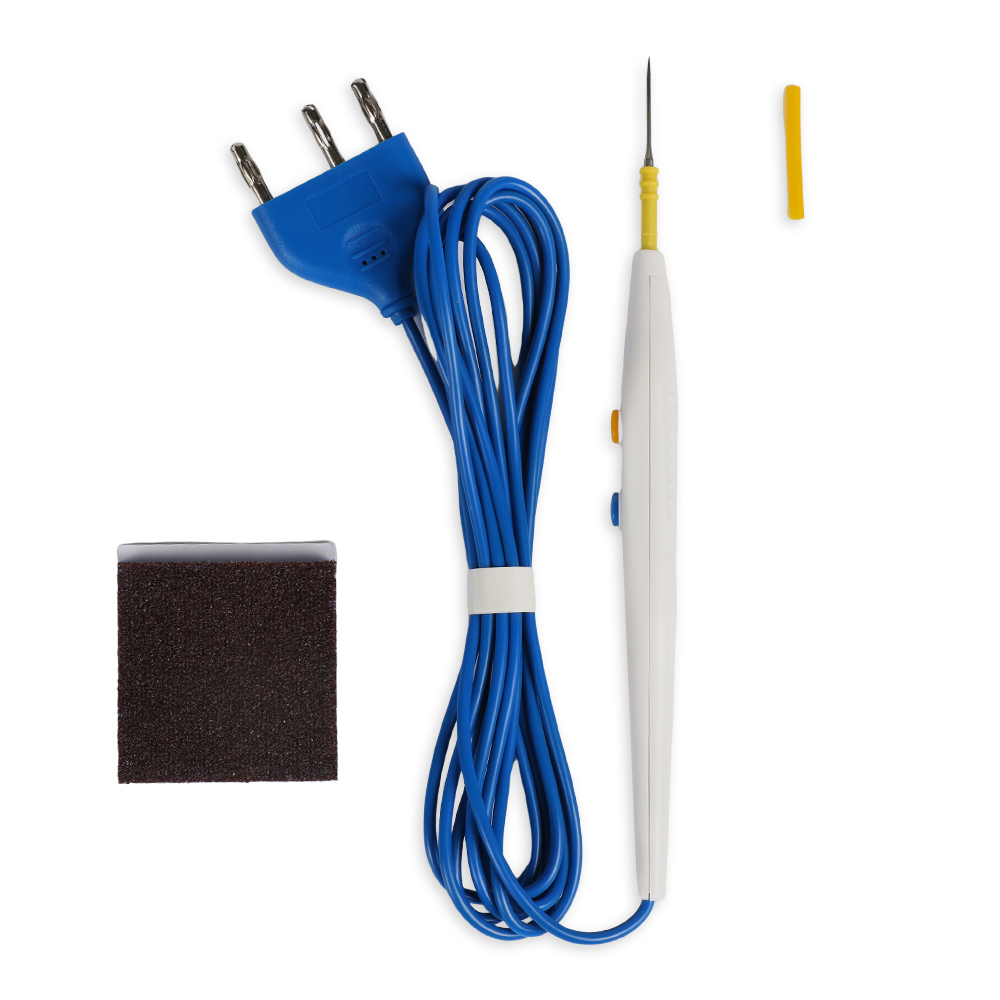
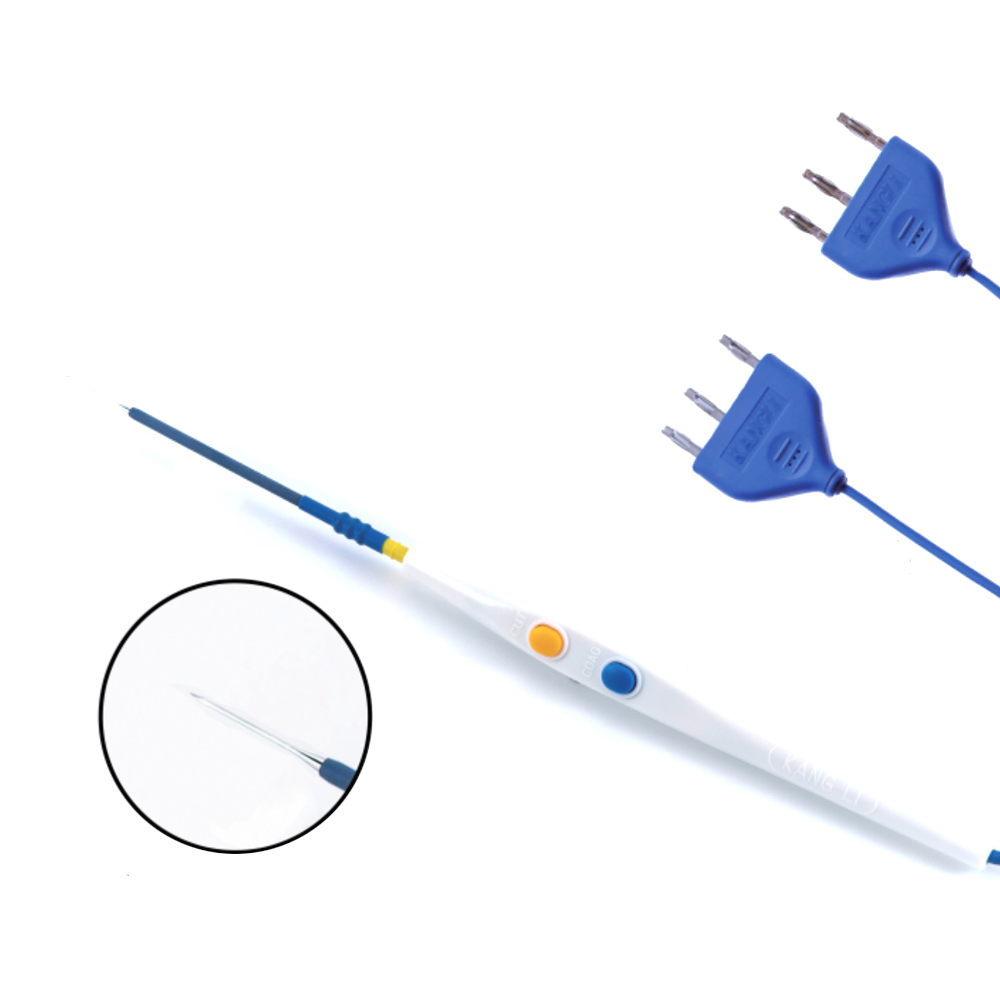
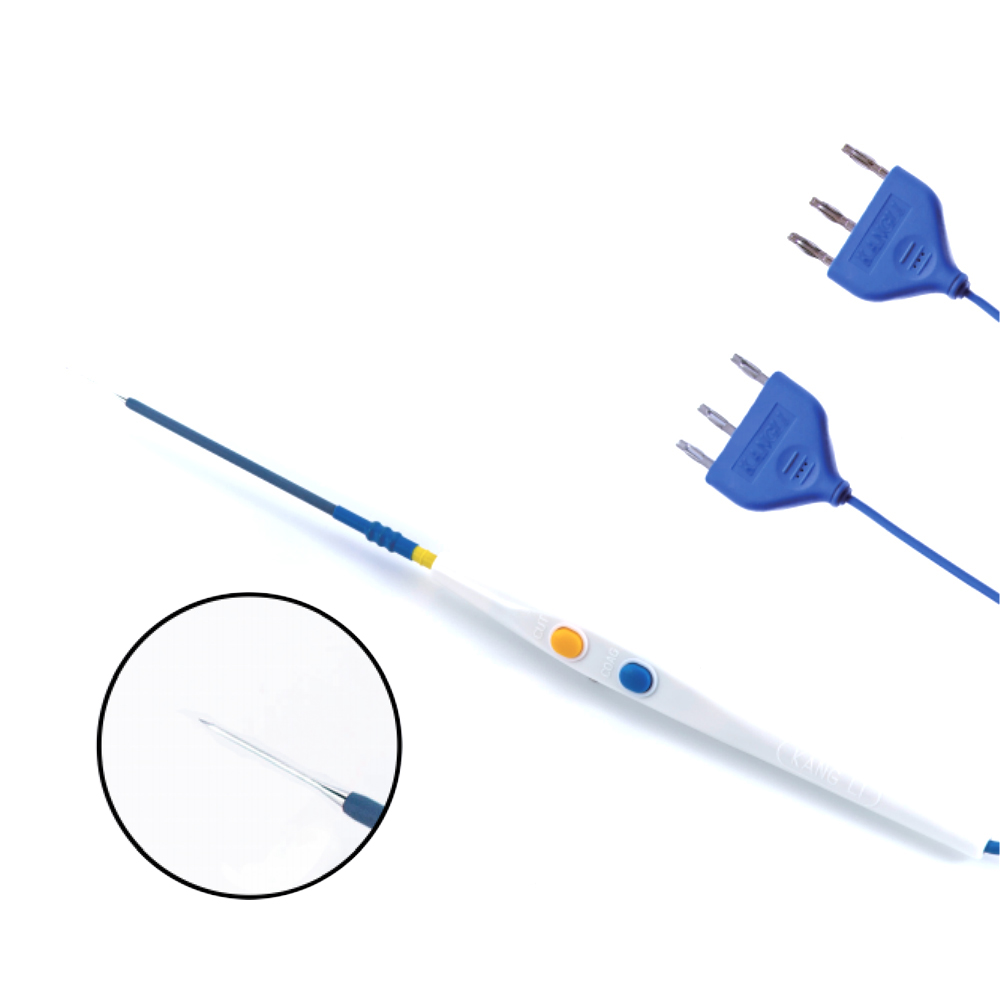
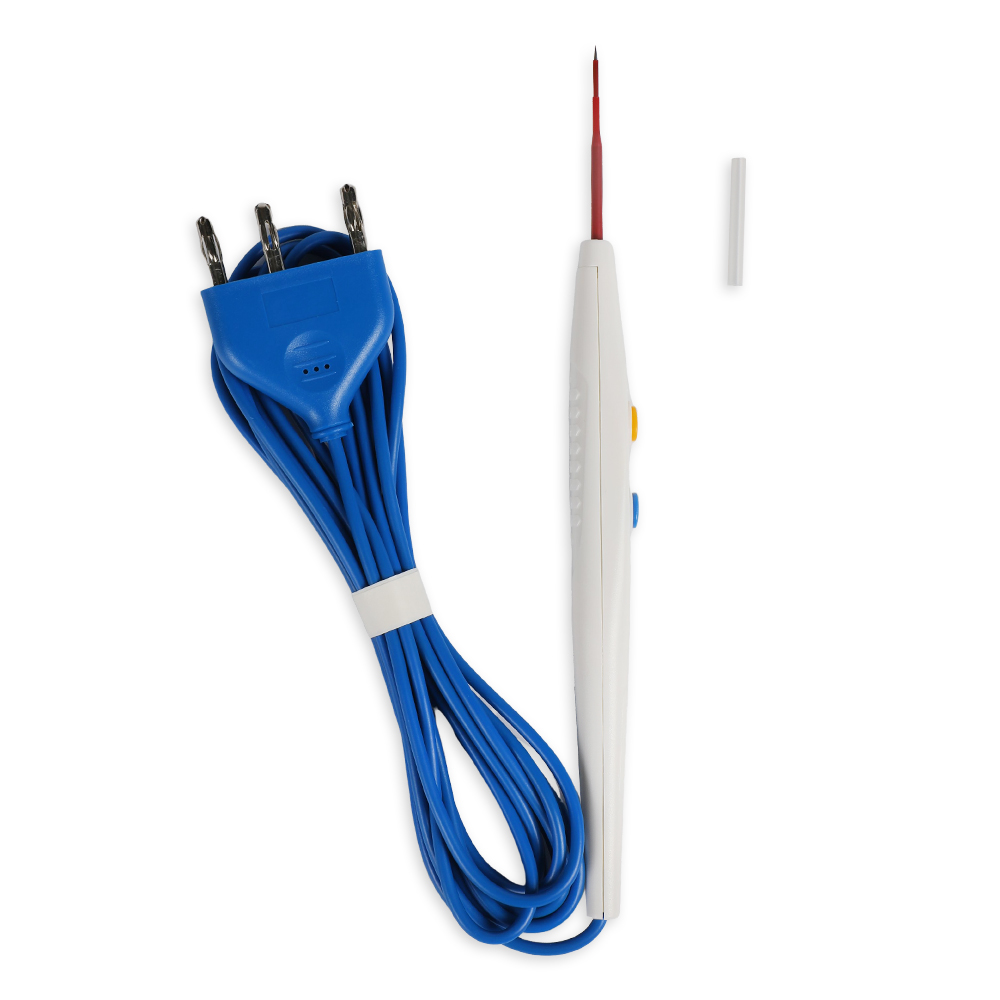
The business end is made from high-grade stainless steel or tungsten. A hook-type electrosurgical electrode manufacturer uses materials that hold their shape and resist corrosion. The wire is thin enough to be precise but strong enough not to bend under pressure. Tungsten handles higher temperatures without losing its edge.
The insulation
The shaft is coated with an insulating material—usually PTFE or medical-grade polymer. A hook-type electrosurgical electrode manufacturer ensures the insulation is uniform and pinhole-free. The insulation directs the current to the tip, not the shaft, and protects surrounding tissue from stray burns.
The handle or connection
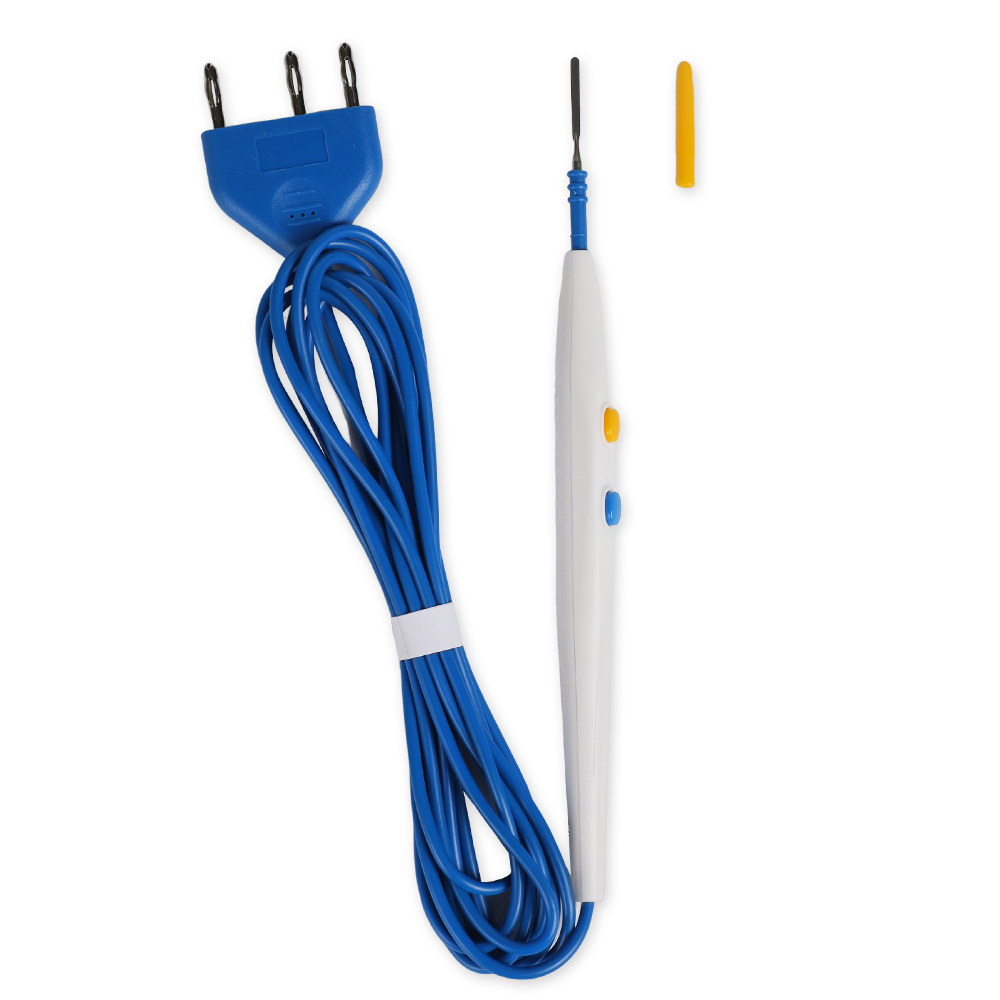
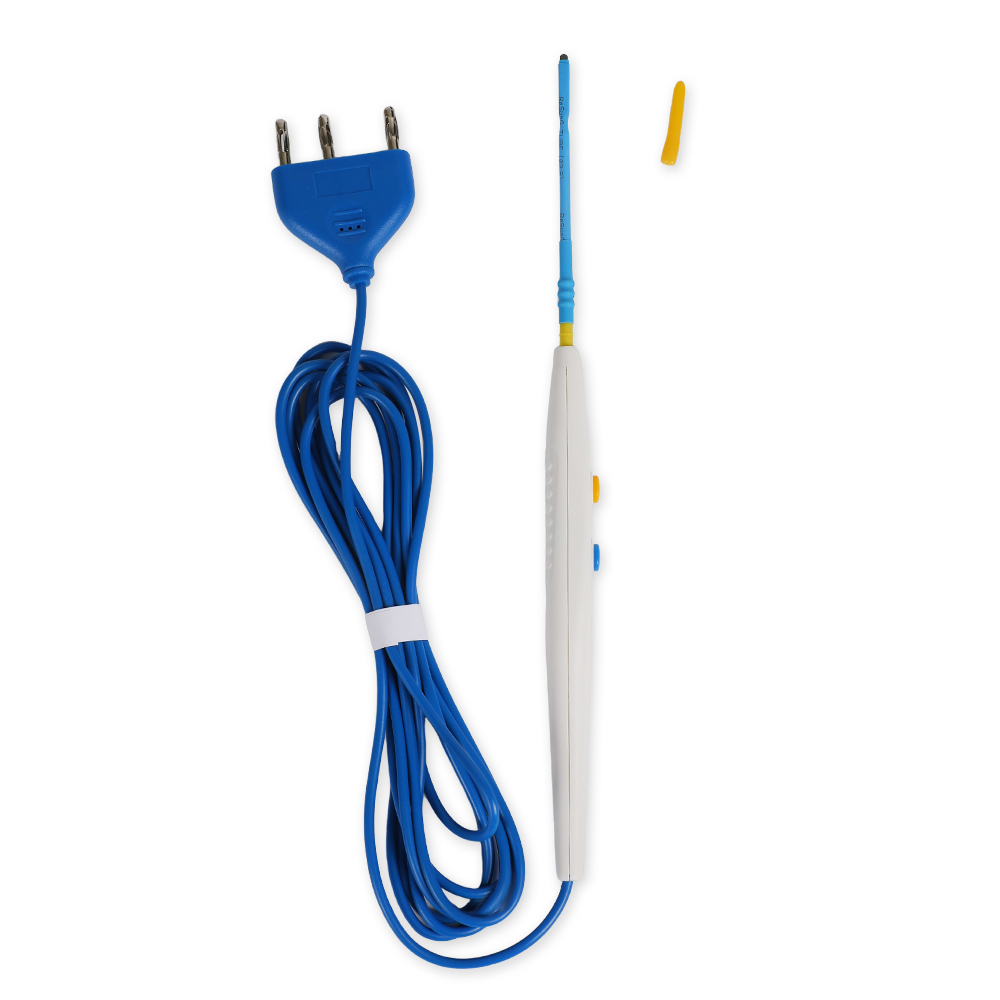
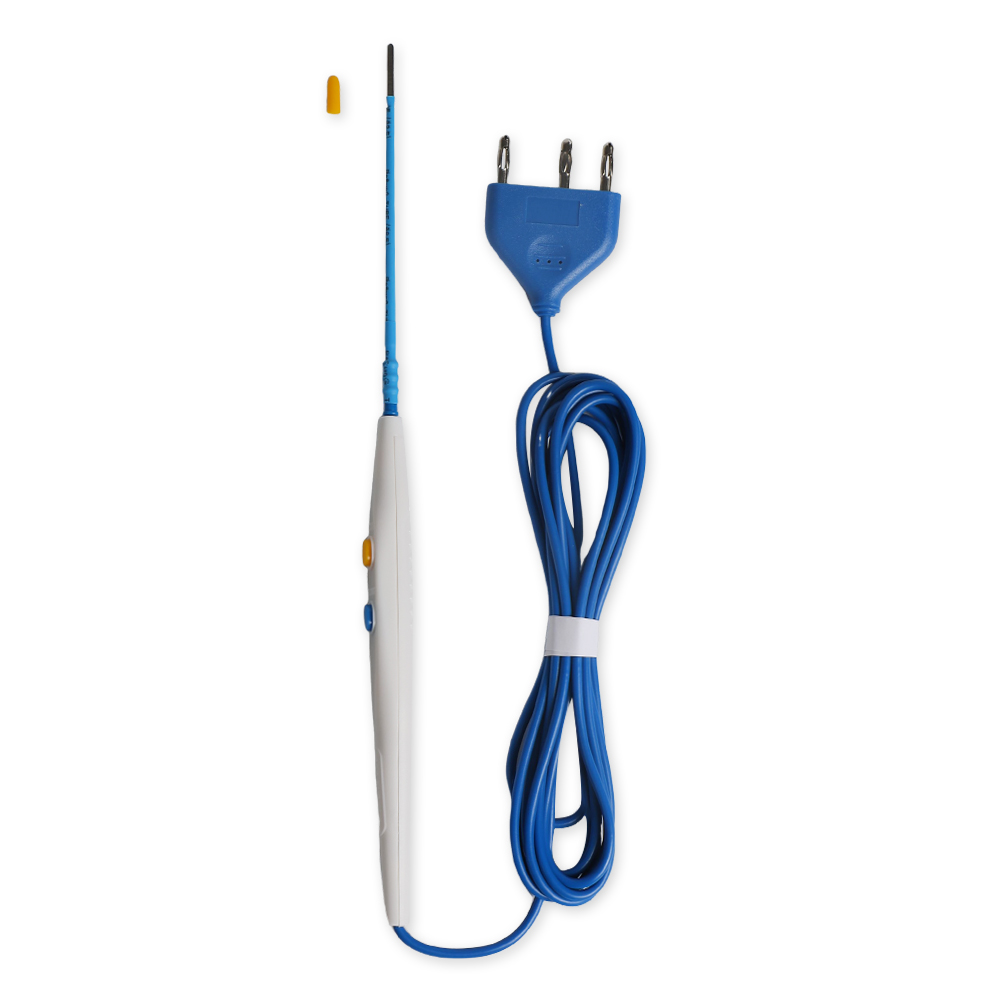
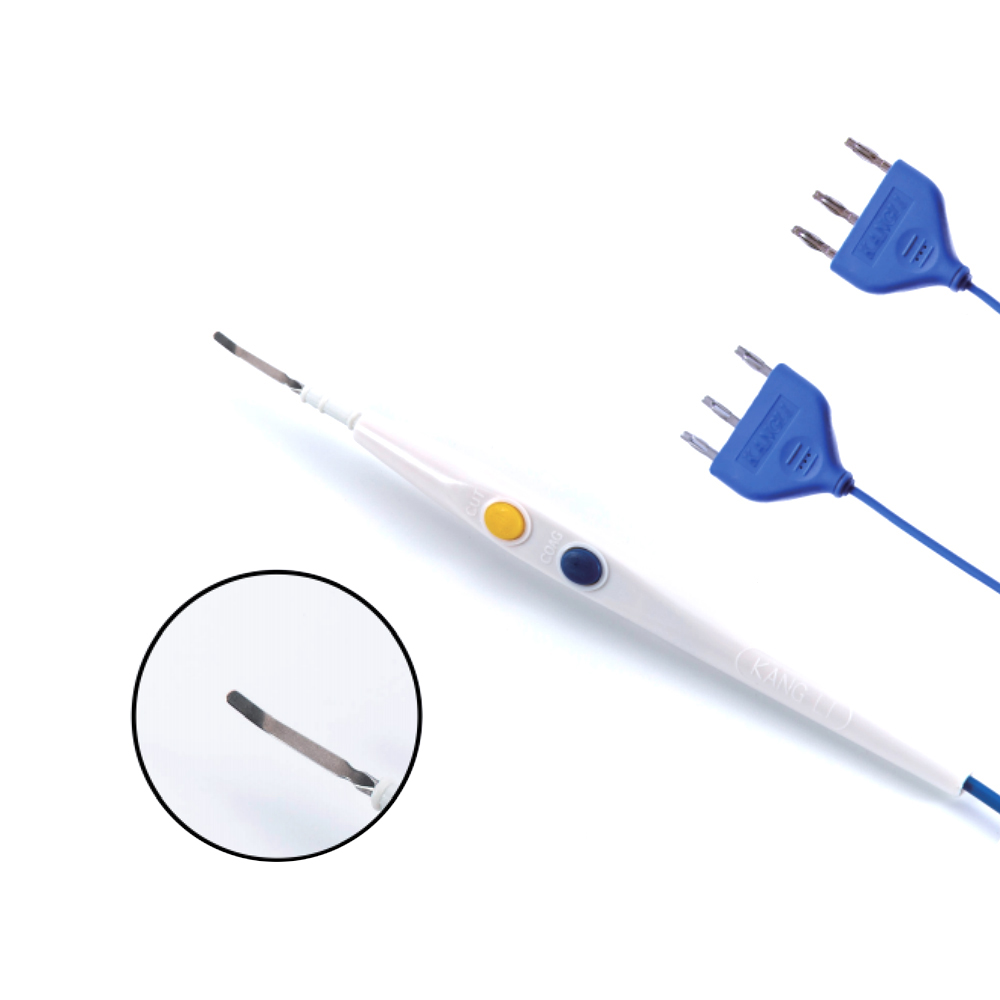
The electrode connects to the electrosurgical pencil or handpiece. A hook-type electrosurgical electrode manufacturer designs the connector to fit standard systems—4mm banana plugs, 3-pin plugs, or proprietary connections. The handle area is often ergonomic and grip-friendly.
The packaging
Hook-type electrosurgical electrodes are single-use in many markets. A hook-type electrosurgical electrode manufacturer packages each electrode individually. The packaging is sterile, peel-open, and clearly labeled with the electrode type, size, and specifications.
Common specs for hook-type electrosurgical electrodes:
General surgery
Open procedures need precise cutting and coagulation. A hook-type electrosurgical electrode manufacturer supplies electrodes for standard surgical procedures. The hook design allows the surgeon to dissect tissue with control and precision.
ENT and head and neck surgery
These surgeries often involve delicate structures in tight spaces. A hook-type electrosurgical electrode is ideal for these procedures. The hooked tip gives the surgeon access to areas that straight electrodes can't reach, and the fine wire lesss damage to surrounding tissue.
Neurosurgery
Neurosurgery demands bad precision. A hook-type electrosurgical electrode is used for fine dissection around nerves and blood vessels. The electrode is tiny—sometimes 0.5mm or less—and delivers current with pinpoint accuracy. The surgeon controls the depth and intensity of the cut.
Plastic and reconstructive surgery
Cosmetic and reconstructive surgery often requires fine, controlled cutting. A hook-type electrosurgical electrode gives the surgeon the ability to make delicate incisions and precise adjustments. The result is less scarring, better outcomes, and happier patients.
Tip design
Surgeons have preferences. A hook-type electrosurgical electrode manufacturer should offer a range of tip shapes and sizes. Sharp points for dissection, blunt tips for pushing tissue aside, left or right angles for hand dominance. If the surgeon has to force the electrode to work, the surgery suffers.
Insulation quality
A pinhole in the insulation can cause a stray burn. A hook-type electrosurgical electrode manufacturer should have strict quality control for insulation integrity. Visual inspection is not enough. Some manufacturers use spark testing to detect pinholes. That's the level of quality you want.
Material quality
The electrode has to hold its shape. A hook-type electrosurgical electrode manufacturer uses materials that won't bend, corrode, or degrade over time. Tungsten is better than stainless for high-temperature applications. If the electrode deforms during use, the surgery becomes harder.
Sterility assurance
Electrodes are used inside the patient. A hook-type electrosurgical electrode manufacturer should provide documentation of sterility assurance levels. Gamma irradiation or ethylene oxide processing—both are acceptable, but the process must be validated and monitored.
Packaging and labeling
The packaging should be easy to open and clearly labeled. A hook-type electrosurgical electrode manufacturer should list the electrode type, dimensions, and compatible equipment. If the packaging is confusing, the wrong electrode might be used.
Compatibility
Not all electrosurgical electrodes fit all generators. A hook-type electrosurgical electrode manufacturer should clearly state which pencil or generator models the electrode is compatible with. If it doesn't fit, it doesn't work.
A hook-type electrosurgical electrode is a small instrument that does a big job. It lets surgeons cut, dissect, and coagulate in tight spaces with precision. The manufacturer behind it matters—quality materials, strict insulation standards, and a range of tip designs make the difference between a smooth surgery and a difficult one. Choose a manufacturer that understands what surgeons actually need in the OR.
Lishui Kangli
Medical Devices
+86 153 0688 8169
2nd Floor, Building 1, 769 Kaiyuan Road, Bihu Town, Liandu District, Lishui City, Zhejiang Province, China
Contact Us
 English
 русский
 Français
 Español
 Deutsch
 عربى
عربى

