
Content
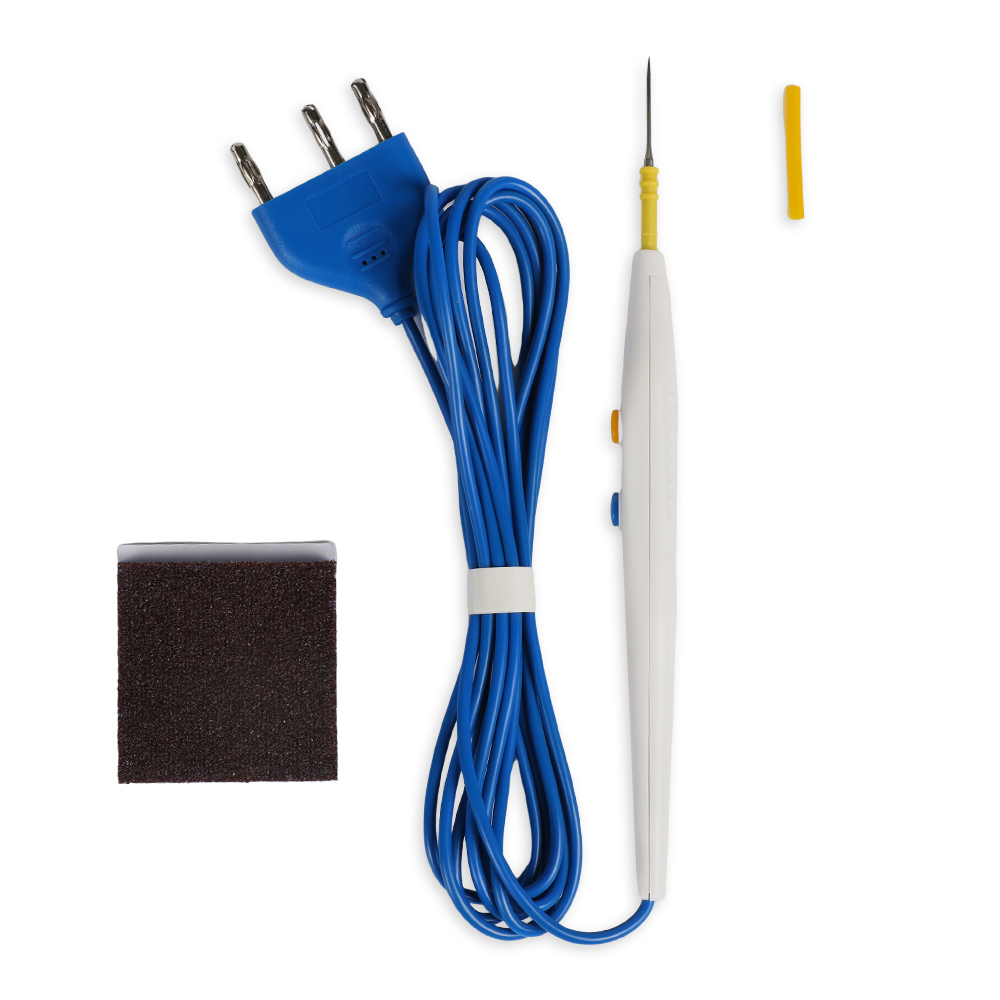
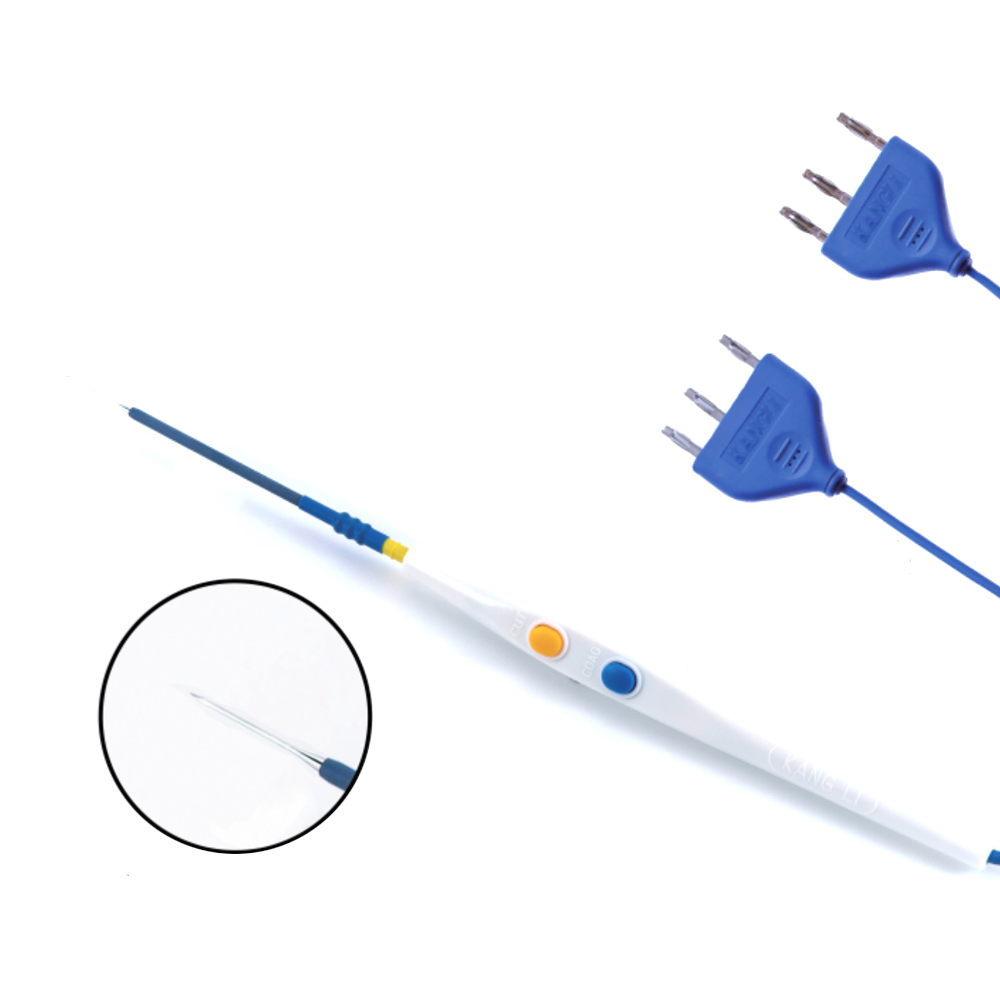
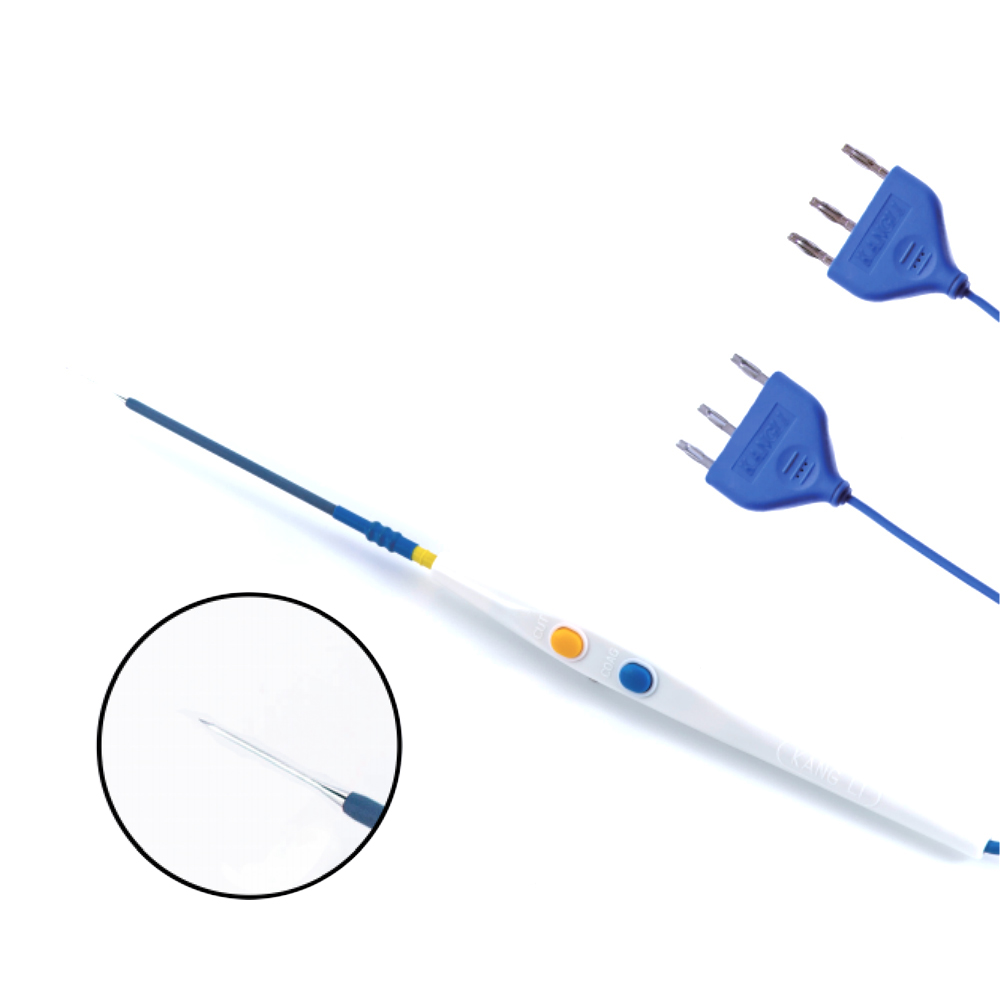
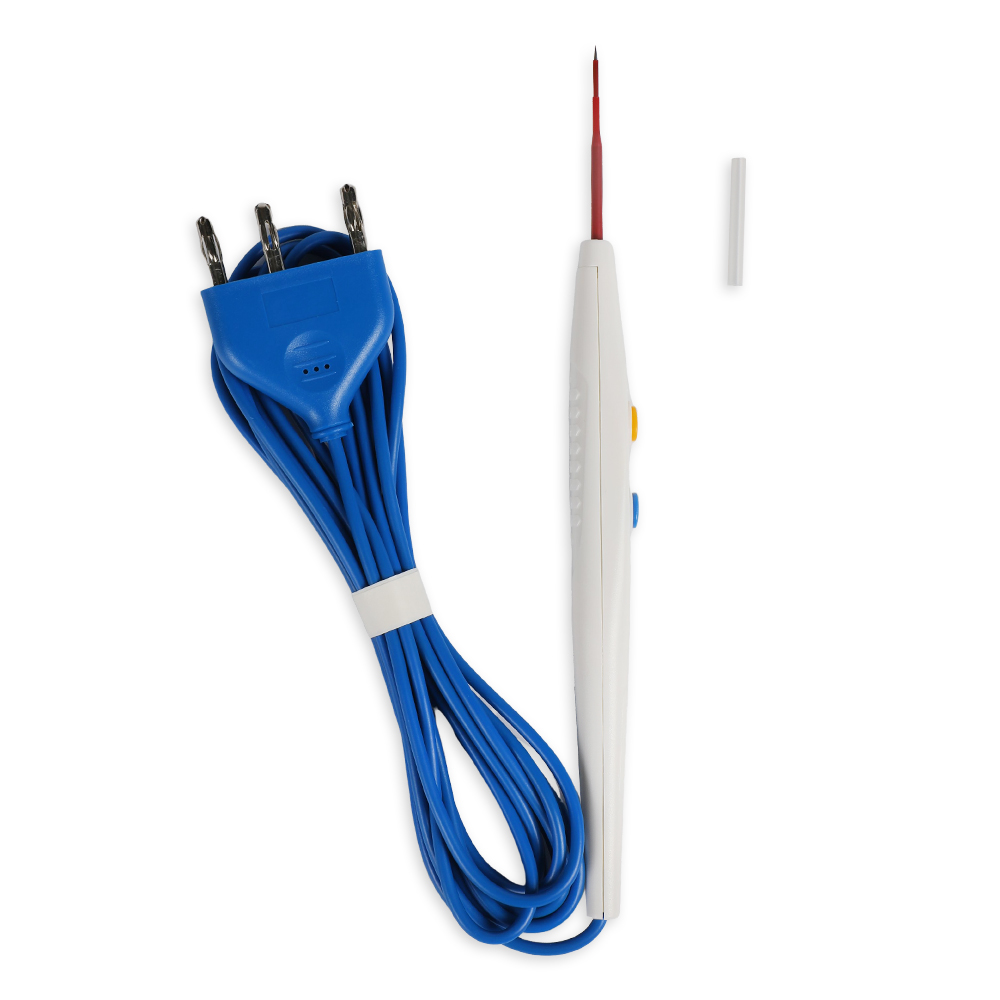
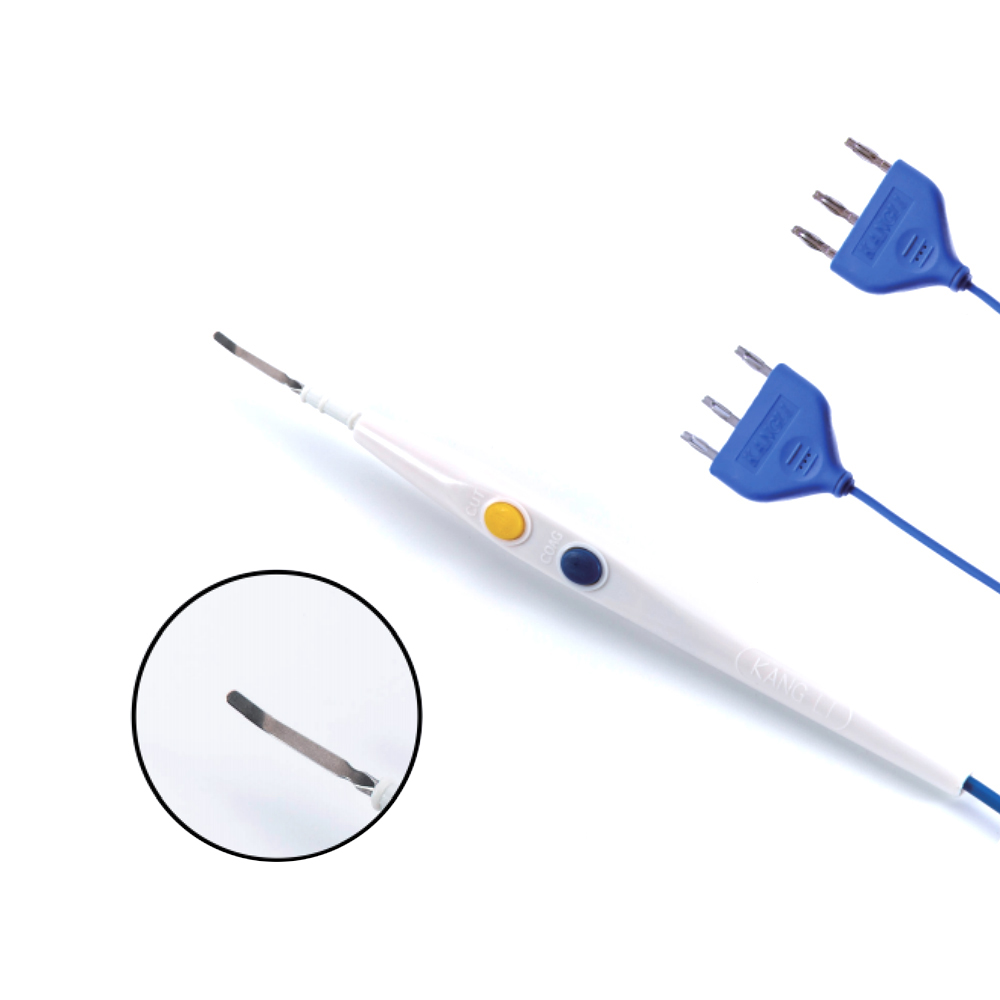
Operating rooms rely on controlled energy delivery. Cutting. Coagulating. Dissecting tissue. Sealing vessels. Without a precisely manufactured electrode, the surgeon loses control at the tip. A hook-type electrosurgical electrode factory produces L-shaped active electrodes that concentrate high-frequency current at a fine point. They deliver clean cuts with small lateral thermal spread. They fit standard electrosurgical handpieces.
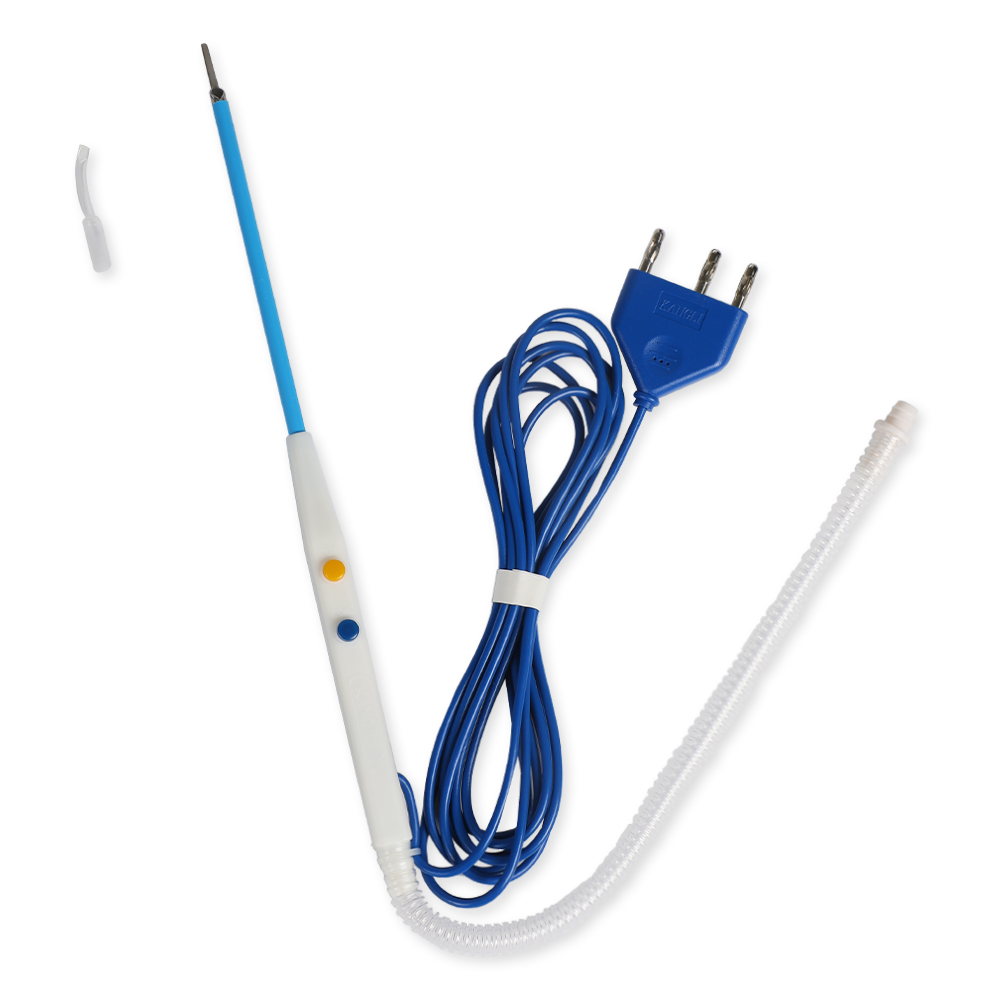
It starts with medical-grade metal and ends with a sterile-packed surgical device
A hook-type electrosurgical electrode factory sources stainless steel or tungsten rod. The wire is cut, bent into the hook profile, and ground to a precise tip. Shaft insulation is applied, leaving only the active hook exposed. A standard connector pin is fitted. The finished electrode is tested, packaged, and sterilized.
Material selection for the active tip
Stainless steel offers good conductivity and formability. Tungsten holds sharpness through longer activation times. A hook-type electrosurgical electrode factory matches the material to whether the electrode is single-use disposable or designed for reuse.
Bending and tip geometry
The hook angle and tip radius determine how tissue is engaged. A blunt tip drags. An overly sharp tip bends. A hook-type electrosurgical electrode factory that controls bend angles and grinding parameters delivers consistent clinical feel.
Insulation integrity
Shaft insulation confines current to the hook tip. A pinhole creates an alternate current path. A hook-type electrosurgical electrode factory performs dielectric testing on every unit to catch insulation defects before packaging.
Here is what the quality process demands:
The failure happens inside the patient, not on the inspection bench
A hook-type electrosurgical electrode factory ships devices that touch human tissue under anesthesia. Insulation breakdown, tip degradation, and connector faults are the critical risks. Here is what separates safe electrodes from unacceptable production.
Insulation pinhole detection
A microscopic void in the shaft coating leaks current into tissue the surgeon never intended to touch. A hook-type electrosurgical electrode factory that spark-tests or high-potential-tests every single unit catches these voids.
Tip survival under repeated activation
Electrodes heat during use. A poorly ground tip loses its edge mid-procedure. A hook-type electrosurgical electrode factory that controls grinding and surface finish delivers an electrode that holds its geometry through the expected number of activations.
Connector pin fit
The 3mm or 2.4mm pin must seat firmly in the handpiece. Loose fit causes intermittent current and arcing. A hook-type electrosurgical electrode factory checks pin dimensions with go/no-go gauges to ensure universal compatibility.
One basic design serves surgeons across multiple specialties
A hook-type electrosurgical electrode factory supplies electrodes for laparoscopic procedures, open general surgery, gynecological surgery, and urological interventions. The hook allows the surgeon to retract tissue with the back of the hook and cut with the tip in a single instrument motion. That dual function reduces instrument exchanges during the case.
Documentation matters as much as the physical product
A capable hook-type electrosurgical electrode factory operates under a certified quality management system. It provides sterilization validation data, biocompatibility test reports, and electrical performance records. It maintains device history records for every production lot. Here is what to verify before signing a supply agreement.
Regulatory standing
Ask for the quality system certificate and any regional device registrations. A hook-type electrosurgical electrode factory selling into regulated healthcare markets must hold the appropriate certifications for each destination country. Gaps in registration create customs delays and legal exposure.
Lot traceability and vigilance readiness
Every electrode must trace back to its raw material heat and production date. A field complaint requires retrieving the full manufacturing record. A hook-type electrosurgical electrode factory with a mature lot control system responds to vigilance queries quickly and completely.
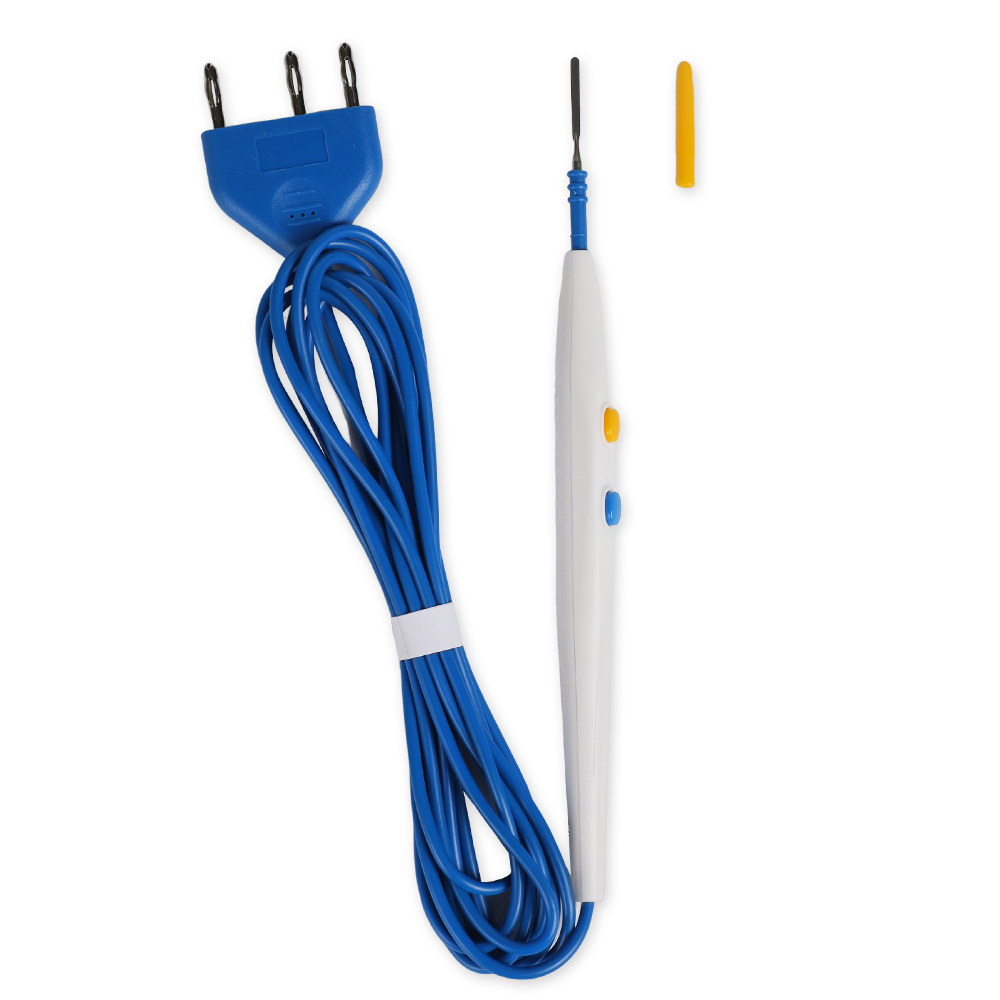
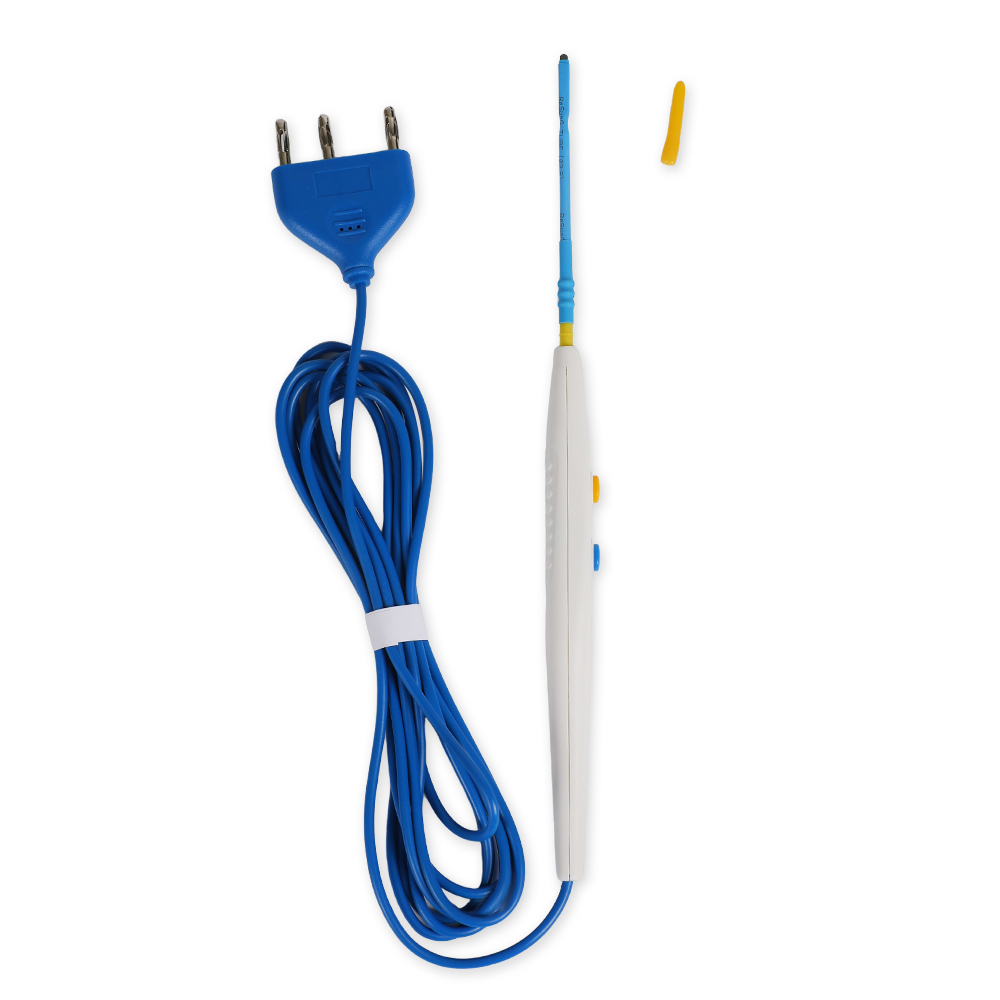
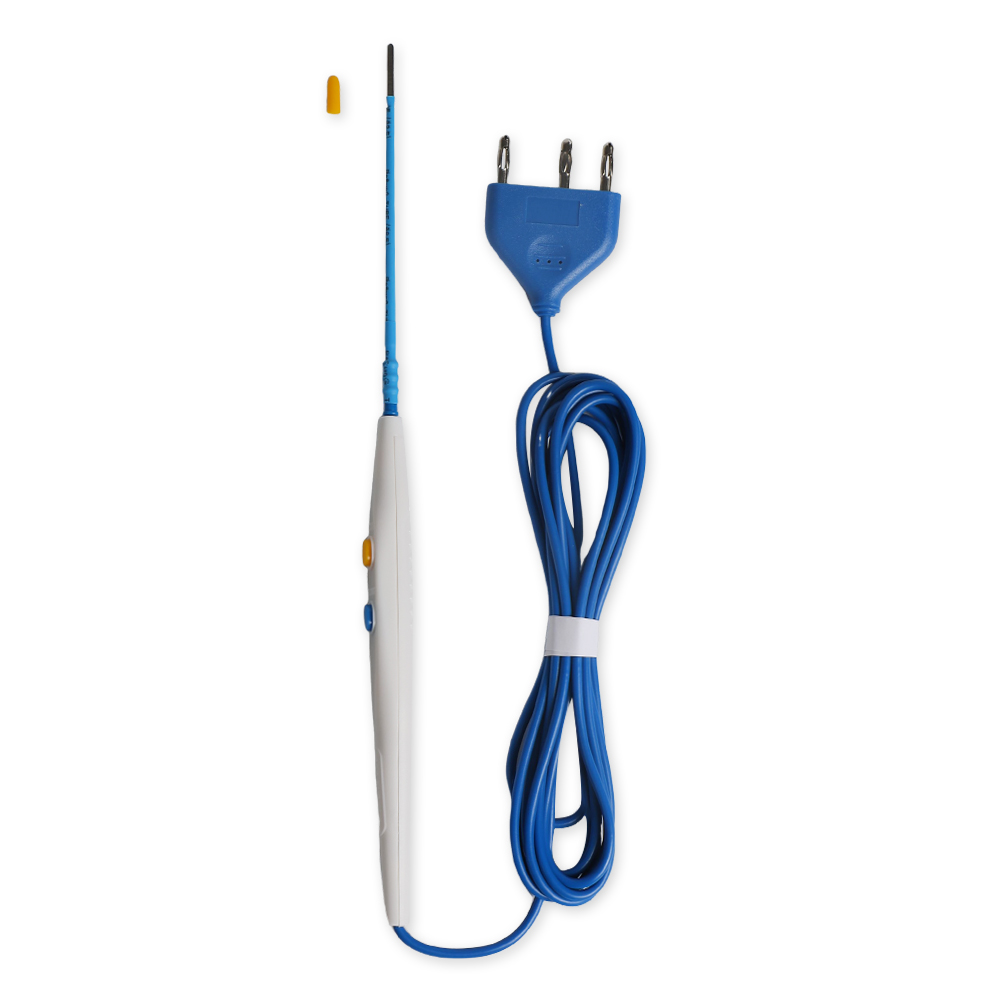
A hook-type electrosurgical electrode looks simple. A bent wire with a connector pin. But it delivers energy that cuts and coagulates living tissue. It must do so without stray current, without tip failure, and without compromise. Choose a manufacturer that controls material selection, insulation integrity, and tip geometry. Your surgeons will have the control they need. That is the contribution of a hook-type electrosurgical electrode factory.
Lishui Kangli
Medical Devices
+86 153 0688 8169
2nd Floor, Building 1, 769 Kaiyuan Road, Bihu Town, Liandu District, Lishui City, Zhejiang Province, China
Contact Us
 English
 русский
 Français
 Español
 Deutsch
 عربى
عربى

